Mastering Subsurface Drainage: The Essential Role of Permeable Synthetic Fabrics

Mastering Subsurface Drainage: The Essential Role of Permeable Synthetic Fabrics

The Hidden Threat of Underground Moisture

Managing water effectively is the single most important aspect of any modern construction project. Surface water is generally easy to see and direct away from vulnerable structures using proper grading techniques. However, underground moisture presents a highly complex and entirely invisible threat to expensive property developments. When excess water becomes trapped beneath the soil surface, it severely weakens the structural foundation of roads, buildings, and retaining walls.

Uncontrolled subsurface water easily creates massive hydrostatic pressure against deep basement walls, leading to devastating structural cracks. In extreme cases, saturated ground literally turns into liquid mud and completely loses its ability to support heavy weight. Solving this hidden moisture problem requires deeply intelligent engineering and the application of highly specialized synthetic materials.

The Engineering Solution for Wet Ground

Civil engineers have spent many decades perfecting highly reliable methods for removing excess water from saturated soil. The absolute most effective strategy involves creating dedicated underground pathways that allow trapped water to easily escape. These hidden drainage systems protect our vital public infrastructure and keep commercial properties totally safe from completely devastating water damage.

Understanding Permeable Synthetic Materials

At the very heart of these modern drainage systems lies the highly versatile non-woven geotextile fabric. This incredible material looks and feels very much like thick, heavy felt, but it possesses completely extraordinary physical properties. The fabric acts as an absolute master filter buried deep beneath the earth, protecting the entire drainage system from catastrophic failure.

Engineers specifically choose this unique material because it perfectly balances two entirely opposing physical requirements. The material must absolutely allow massive volumes of water to pass straight through it without any restriction. Simultaneously, it must completely prevent microscopic dirt particles from washing away and eventually clogging the vital drainage pipes.

The Complex Manufacturing Process

Creating a high-quality non-woven geotextile requires incredibly advanced manufacturing technology and premium raw polymers. The factory process begins by taking millions of continuous synthetic plastic threads and randomly entangling them together. Massive fields of highly specialized barbed needles rapidly punch through the thick web of plastic fibers, interlocking them permanently.

This entirely random fiber orientation perfectly mimics the completely natural filtration properties of natural sandy soil. The resulting synthetic fabric contains billions of microscopic winding pathways that expertly trap dirt while totally ignoring the flow of clean water. It is a brilliant feat of modern material science that completely revolutionizes how we handle difficult saturated earth.

The Science of Underground Soil Filtration

Proper soil filtration is deeply critical to the long-term survival of any buried drainage trench. When groundwater flows naturally toward a drainage pipe, it carries thousands of tiny suspended dirt particles along with it. If these loose particles directly enter the clean gravel trench, they will quickly settle and completely block the intended water flow.

The non-woven geotextile fabric completely wraps around the entire clean gravel trench like a highly protective envelope. As the muddy groundwater pushes against the outside of this fabric envelope, the tiny dirt particles become trapped in the chaotic plastic fibers. Only completely clean and perfectly filtered water safely enters the inner gravel core of the drainage system.

Mastering Flow Rates and Permittivity

When comparing different fabric options, project managers must pay incredibly close attention to the specific water flow rate. This metric indicates exactly how many gallons of clean water can physically pass through one square foot of the material every single minute. Areas experiencing highly heavy seasonal rain absolutely require materials featuring exceptionally high flow rates to prevent sudden, dangerous water backups.

Permittivity is another highly critical engineering term that describes how easily water moves through the fabric under extreme physical pressure. You absolutely want a fabric that remains highly permeable even when totally crushed beneath thousands of pounds of heavy wet soil. Maintaining this excellent permittivity guarantees your expensive drainage system functions perfectly for many decades into the future.

Building the Perfect French Drain System

The classic French drain remains the absolute gold standard for removing unwanted groundwater from residential yards and commercial properties. This highly reliable system consists of a deep sloping trench filled with clean washed gravel and a perforated plastic pipe. Water naturally seeks the path of least physical resistance and readily flows into the highly porous gravel trench.

Without proper synthetic filtration, a newly installed French drain will completely fail within just a few short years. Surrounding native mud will simply wash directly into the clean gravel, turning the entire expensive trench into a solid block of useless wet dirt. The protective fabric envelope is the only thing keeping the vital gravel clean and highly functional.

Protecting Your Trench for Decades

Properly installing the fabric requires carefully lining the empty dirt trench before adding a single piece of gravel. The fabric must be perfectly smooth against the raw dirt walls without any large, loose wrinkles or dangerous open gaps. Once the pipe and gravel are carefully placed inside, workers fold the excess top fabric over the gravel to completely seal the entire system.

This entirely enclosed burrito wrap method completely guarantees that no loose soil can ever touch the clean interior drainage rocks. Homeowners and professional contractors alike universally rely on this specific installation method to completely and permanently solve highly stubborn backyard flooding issues.

Road Foundation and Aggregate Separation

Beyond simple water drainage, these specific materials are essential for building strong unpaved roads and massive highway foundations. When heavy diesel trucks drive over a newly built gravel road, they exert incredible downward physical force. This heavy pressure actively forces the expensive clean gravel straight down into the soft, muddy native soil below.

Over several months, the clean gravel and the soft mud completely mix together and entirely lose their structural strength. Deep, highly dangerous ruts quickly form on the road surface, requiring highly expensive, constant daily grading and maintenance. The fabric solves this massive problem by acting as a permanently unbreakable physical barrier between the mud and the rock.

Preventing Structural Settling and Failure

By keeping the good, clean rock completely separate from the bad, weak mud, the road base maintains its absolute maximum structural density. The heavy traffic is evenly distributed across the entire protected gravel layer instead of simply punching dangerous holes into the soft earth. This brilliant separation technique actively saves local municipalities massive amounts of money in future road repair budgets.

Selecting the Correct Fabric Weight

Not all synthetic materials are created entirely equal, and selecting the completely wrong fabric thickness can totally ruin your massive project. The physical thickness of these materials is generally measured in total ounces per square yard. Understanding your exact site requirements strictly dictates whether you need a highly thin landscape fabric or a massively thick structural blanket.

For highly basic residential backyard French drains, a relatively lightweight fabric usually provides perfectly adequate long-term filtration. These lighter materials are highly inexpensive, very easy to cut with a simple utility knife, and readily shape to the tight corners of a small, narrow trench.

Light, Medium, and Heavy Applications

Medium-weight fabrics step up the physical durability for highly demanding commercial building applications and small access roads. They easily resist tearing when heavy, sharp gravel is forcefully dropped directly onto them by massive heavy machinery. If you are dealing with very sharp crushed concrete or highly angular rocks, a medium-weight option is completely mandatory.

Heavy-weight structural materials are strictly reserved for the most extreme civil engineering environments imaginable. Massive municipal landfills, heavy rail yards, and towering retaining walls require incredibly thick materials to survive the brutal installation process. These extremely thick fabrics offer unparalleled grab tensile strength and can absolutely survive incredibly harsh physical abuse without puncturing.

Installation Best Practices and Techniques

Achieving completely flawless drainage results heavily relies on following highly strict daily installation procedures. The very first mandatory rule is to never expose these specific materials to direct hot sunlight for extended periods. Harsh ultraviolet radiation quickly degrades the chemical structure of the plastic fibers, making them highly brittle and completely useless.

Always leave the heavy rolls completely tightly wrapped in their protective black factory plastic until the exact moment you are totally ready to deploy them. Once unrolled into the dirt trench, you must cover the material completely with your clean aggregate as quickly as possible.

Managing Fabric Overlaps and Seams

When your massive project requires connecting multiple different roles together, proper overlapping is totally critical for absolute success. You must absolutely never simply butt the cut edges perfectly together because shifting dirt will instantly open a huge, massive gap. Industry standard guidelines clearly dictate an absolute minimum overlap of twelve to eighteen full inches at every single connecting seam.

On highly critical massive commercial projects, engineers often require contractors to permanently sew the overlapping seams heavily together using specialized industrial thread. This highly permanent sewing method completely guarantees the protective envelope will never pull apart, even if the deeply buried earth severely shifts during a heavy storm.

Securing Professional Quality Materials

Buying highly cheap unbranded materials from a local consumer hardware store is a massive mistake for serious large-scale infrastructure projects. Those highly thin inferior products tear incredibly easily and rarely possess the official laboratory testing required for true civil engineering work. You absolutely must source your vital materials from highly reputable commercial suppliers who deeply understand the complex mechanics of soil filtration.

By actively partnering with deeply experienced experts who provide advanced drainage and site solutions, you gain totally guaranteed access to thoroughly tested premium materials. A truly dedicated supplier will gladly provide highly detailed specification sheets to prove their exact product meets your strict engineering requirements.

Long-Term Value and Financial Investment

Smart project managers clearly understand that spending slightly more money on a totally premium fabric today prevents utterly catastrophic financial disasters tomorrow. Digging up a completely failed and utterly clogged French drain costs nearly five times as much as simply doing the job absolutely perfectly the first time. The true value of a deeply premium Non-woven Geotextile lies entirely in its utterly flawless invisible performance over the next fifty years.

Common Mistakes to Avoid Entirely

The single most highly destructive mistake amateur contractors consistently make is wrapping the perforated drainage pipe completely tightly in the fabric. While this might logically seem like a brilliant idea, it completely drastically reduces the total surface area available for proper water intake. The microscopic dirt particles will immediately coat the small, narrow pipe cover and completely seal the entire system shut, very permanently.

You absolutely must always place the protective fabric completely against the wide dirt walls of the outer trench instead. This totally correct method provides a massively larger outer surface area for the dirty water to perfectly filter through before ever reaching the inner pipe.

Proper Trench Preparation Strategies

Before entirely unrolling your highly expensive new fabric, the dirt trench must be completely clear of all dangerous, sharp objects. Protruding tree roots, huge jagged rocks, and hidden rusty metal debris will instantly puncture the fabric envelope the moment heavy gravel is forcefully added. Taking the extra careful time to perfectly smooth the native dirt walls absolutely ensures your synthetic envelope remains totally permanently intact.

Here are the absolutely vital steps for proper site preparation

  • Completely remove any incredibly sharp jagged rocks from the trench floor
  • Use a heavy hand tamper to perfectly smooth the soft native dirt
  • Ensure the trench features a totally continuous downward physical slope
  • Carefully unroll the fabric completely, smoothly, without any large loose wrinkles

Environmental Impact and Global Sustainability

Modern land development requires a deep ongoing commitment to highly responsible environmental stewardship. By intelligently managing hidden underground surface water, we can actively and completely prevent highly dangerous muddy soil erosion from totally destroying our beautiful natural landscapes. These synthetic filtration systems efficiently capture deeply harmful loose sediment before it can ever wash directly into our vital local drinking reservoirs.

Preserving Natural Waterways and Ecosystems

Keeping heavy sediment completely out of pristine natural rivers protects delicate fish spawning grounds and maintains highly crystal clear aquatic environments. While the highly protective fabric itself is fully made from synthetic plastic its exact specific application heavily serves a totally deeply green environmental purpose. It is a highly vital engineering tool strictly utilized to keep our surrounding natural world completely healthy and physically deeply intact.

Consulting with Serious Drainage Experts

Attempting to deeply and blindly guess the exact specific water volume of a completely saturated massive property is incredibly dangerous. Highly complex topography and utterly hidden underground water springs require the deeply experienced eye of a true professional drainage consultant. These highly seasoned experts properly utilize deeply complex mathematical models to exactly calculate the true required size and flow capacity of your entire planned system.

When you are completely, finally, and entirely ready to conquer your absolute worst subsurface moisture problems, actively reach out to highly dedicated professional geotextile supply experts. They will successfully and totally guide you toward the exact right specific fabric weight and ensure your entire massive construction project succeeds utterly flawlessly.

Building Safely for the Distant Future

Every completely successful massive building foundation perfectly begins with completely absolutely dry stable earth. By deeply understanding the highly critical role of permeable synthetic fabrics, you absolutely massively elevate the true total quality of your entire construction work. Implementing these completely flawless, highly proven drainage strategies utterly deeply guarantees your incredibly expensive, hard work will absolutely stand the true, difficult test of time.
Strengthening Infrastructure: Sourcing Premium Soil Reinforcement Materials in South Asia

Strengthening Infrastructure: Sourcing Premium Soil Reinforcement Materials in South Asia

The Rise of Modern Infrastructure in South Asia

South Asia is currently experiencing a massive historical boom in civil construction and urban land development. Governments and private commercial developers are investing extremely heavily in new interstate highways and massive industrial trade zones. This incredibly rapid economic expansion absolutely requires completely stable physical foundations to ensure absolute public safety and long-term project longevity. Building massive concrete structures on unpredictable and shifting earth remains a major daily challenge for local civil engineers.

Securing the exact right foundation materials ultimately determines the absolute success of these incredibly huge financial investments. Modern civil engineering relies very heavily on highly advanced synthetic polymer products to permanently stabilize loose dirt and soft wet gravel. These highly innovative structural solutions completely prevent heavy paved roads and tall commercial buildings from dangerously sinking into the soft native ground over time.

Overcoming Challenging Regional Terrain

The diverse geographical landscape across South Asia presents highly unique physical difficulties for commercial construction crews. Heavy annual monsoon rains easily wash away loose topsoil and completely destroy newly built rural dirt pathways. Professional engineers must constantly fight against aggressive natural water erosion and deeply saturated muddy agricultural fields. Using premium stabilization products is absolutely the only truly reliable way to conquer these incredibly tough daily environmental conditions.

Understanding Soil Reinforcement Technology

At its very core this modern technology works by permanently interlocking raw weak soil with extremely strong synthetic plastic polymers. When you physically embed these heavy-duty plastic grids deep into the dirt they act exactly like thick steel rebar inside a poured concrete slab. The rigid plastic structure firmly grips the loose aggregate rocks and completely prevents them from ever moving laterally under extreme heavy pressure. This simple but brilliant mechanism creates an incredibly dense and highly rigid platform capable of safely supporting massive industrial weight.

The Mechanics of Heavy Load Distribution

Intelligently distributing concentrated vehicle weight over a much larger surface area is the primary goal of any solid road foundation. When a fully loaded commercial freight truck drives directly over a properly stabilized section of road, the extreme heavy pressure spreads out perfectly evenly. The buried synthetic reinforcement directly absorbs the extreme downward physical force and greatly reduces the heavy stress placed on the dangerously weak subgrade below.

The Importance of Reliable Partnerships

Procuring massive wholesale quantities of heavy-duty construction materials absolutely requires deep mutual trust between the property developer and the material supplier. You deeply need a highly dedicated business partner who fully understands the highly complex daily logistics of moving commercial freight safely across the massive Asian continent. Working very closely with a highly experienced material vendor completely ensures your critical construction materials arrive exactly on schedule without any highly frustrating shipping delays.

Vetting Your Geocell Supplier

Choosing the absolutely perfect vendor requires carefully examining their professional business track record and their total raw production capabilities. A truly exceptional geocell supplier will always gladly provide you with highly detailed independent laboratory testing results for all their manufactured products. They should actively offer comprehensive daily technical support and precisely guide your professional engineering team through the exact physical installation process right on the job site.

Transforming Unpaved Roads and Rural Routes

Connecting highly remote rural villages to major urban city centers is a huge ongoing priority for many rapidly developing nations. Unpaved rural trade routes very often turn into completely impassable deep mud pits during the incredibly heavy wet monsoon season. By properly installing highly advanced stabilization grids directly into the muddy native ground local contractors can easily build truly permanent all weather transportation pathways.

Cost Effective Rural Development

Traditional heavy road construction usually requires importing many thousands of tons of extremely expensive crushed rock from a distant commercial quarry. Modern structural polymer systems allow local construction crews to completely avoid this massive financial expense by simply utilizing the existing native local dirt. Locking the cheap native soil permanently inside a rigid synthetic structural framework actively saves local governments millions of dollars in heavy aggregate purchasing and daily freight transportation costs.

Finding Top Geogrid Manufacturers in India

India has very quickly emerged as a massive and highly respected global powerhouse for producing exceptional high quality synthetic engineering materials. Massive local factories consistently utilize incredibly advanced polymer extrusion technology to create highly durable and incredibly rigid plastic grids. Sourcing your materials directly from highly reputable geogrid manufacturers in india provides smart project managers with absolutely amazing wholesale prices and exceptionally fast regional freight delivery times.

Quality Control and Manufacturing Standards

The absolute best production facilities in the entire region strictly maintain extremely rigorous daily quality control over their entire massive manufacturing line. They specifically use only premium virgin plastic polymers instead of weak recycled garbage to ensure absolute maximum tensile strength and long term reliability. You should absolutely always demand official factory certification documents before officially approving any large commercial material purchase for your massive civil development project.

Cellular Confinement Systems Explained

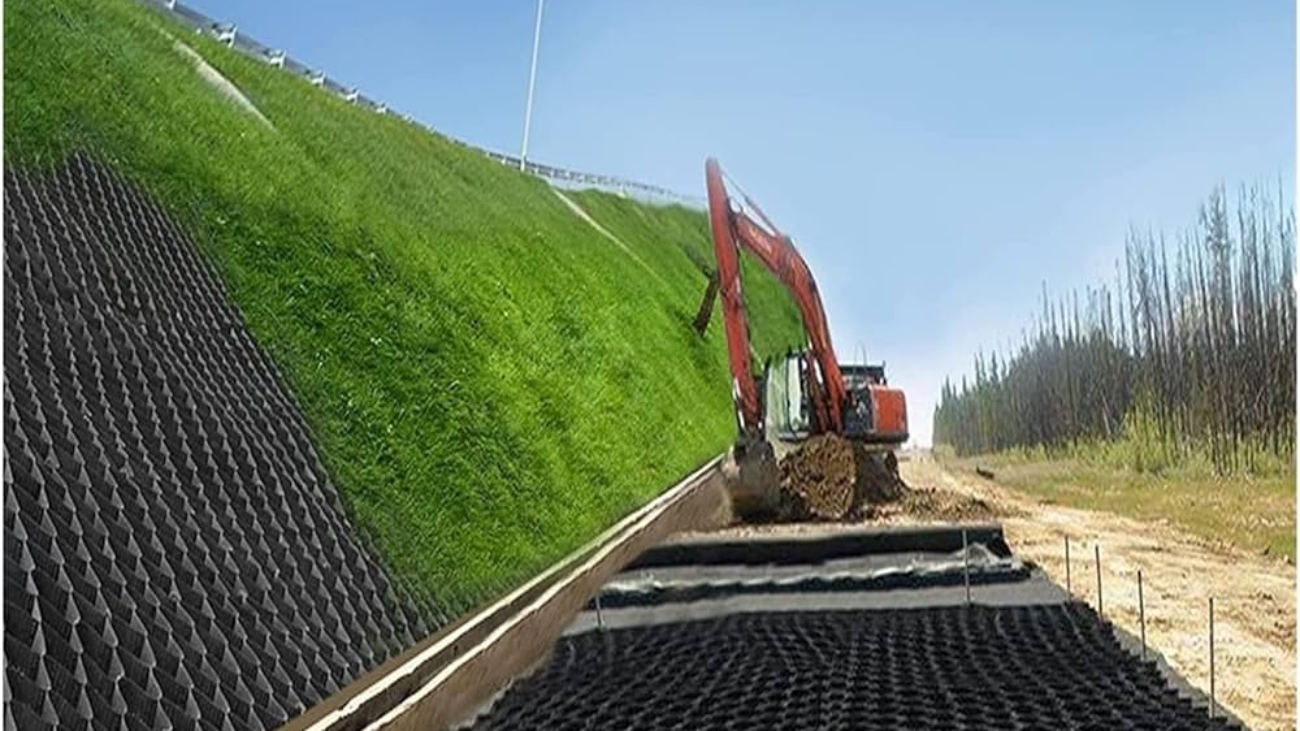
These totally brilliant systems utilize a highly complex three-dimensional honeycomb shape to tightly trap loose dirt right in its exact place. When the local installation crew physically stretches these folded plastic panels across the open ground, they immediately form hundreds of small individual containment pockets. Filling these highly specific open pockets with heavy gravel creates a massive structural mattress that simply cannot shift or sink under any amount of extreme heavy surface pressure.

Environmental Benefits of Confinement

Protecting the highly delicate surrounding natural ecosystem is deeply important during any massive civil engineering job today. These highly brilliant open honeycomb structures naturally allow heavy falling rainwater to properly seep back into the deep underground water aquifers. This highly intelligent fully permeable design heavily prevents devastating urban surface flooding and safely protects local rivers from highly toxic urban street runoff.

Building Strong Retaining Walls and Slopes

Securing very steep highway embankments actively prevents completely tragic dirt landslides from suddenly burying critical public transportation routes. Structural engineers creatively stack filled confinement panels directly on top of one another to successfully build incredibly strong and massive gravity retaining walls. The sheer extreme weight of the tightly trapped dirt easily holds back the entire heavy mountain without ever requiring highly expensive custom steel reinforcements.

Preventing Dangerous Landslides and Erosion

The highly brilliant open design of the outer-facing wall panels naturally encourages incredibly deep and truly healthy green plant growth. Local native vegetation quickly roots very deeply right into the structural plastic grid, creating a highly beautiful living green wall. This wonderful natural green aesthetic perfectly hides the raw, ugly construction materials while providing an absolute permanent natural solution against highly destructive daily topsoil erosion.

The Role of Geotechnical Soil Testing

Proper site preparation absolutely must always begin with highly rigorous scientific soil testing conducted by a completely independent professional geotechnical laboratory. You simply cannot blindly guess the exact physical moisture content or the true structural density of the native earth hiding deeply below your project site. These highly detailed scientific reports dictate exactly which specific synthetic materials you will ultimately need to successfully stabilize the completely unpredictable ground.

Identifying Potential Subgrade Failures

Engineers closely analyze the laboratory soil reports to precisely identify hidden pockets of highly dangerous expanding clay or deeply buried soft organic peat. If these highly problematic native soils are completely ignored they will eventually swell and totally destroy your highly expensive finished pavement from below. Intelligently matching your chosen synthetic grid directly to the exact specific soil chemistry absolutely guarantees total structural harmony and completely prevents massive future paving failures.

Essential Considerations for Large Projects

Before you officially order a single heavy roll of material, you must thoroughly and honestly evaluate your exact specific job site conditions. Every single large commercial development features highly unique physical challenges that absolutely require perfectly customized professional engineering solutions. Blindly rushing the highly critical initial planning phase very often leads to absolutely catastrophic physical structural failures years down the road.

Your highly dedicated professional engineering team must carefully and deliberately consider these completely crucial site variables right from the very start.

  • The absolute maximum weight of the daily heavy vehicle traffic fully expected on the finished property
  • The exact specific physical density and chemical moisture content of the natural native subgrade soil
  • The total expected volume of heavy rainwater during the absolute peak summer monsoon season

Logistics and Delivery Across Asia

Successfully navigating the highly complex shipping routes across South Asia absolutely requires immense daily logistical expertise and incredibly precise route planning. You must accurately calculate the exact local customs clearance times and perfectly coordinate the local commercial freight transport availability. Coordinating these massive, heavy deliveries flawlessly keeps your highly expensive daily labor crew busy and actively prevents your entire massive project from suddenly grinding to a complete halt.

Long Term Value over Initial Project Cost

Highly smart commercial land developers always look incredibly far beyond the initial raw purchase price of their chosen construction materials. Buying completely cheap and heavily inferior thin plastic products very often directly leads to massive early structural failures and incredibly huge legal liabilities. Investing heavily in truly premium stabilization products directly protects your entire massive financial investment for the next highly profitable fifty years.

Reducing Heavy Maintenance Work

Commercial public roads built with absolutely zero structural reinforcement naturally require constant and highly expensive daily maintenance just to remain barely safe. Massive, dangerous potholes and huge muddy ruts constantly appear as the weak dirt foundation slowly shifts and dangerously sinks into the wet mud. A properly reinforced road foundation completely eliminates this horrible physical shifting, which directly saves your commercial company a massive absolute fortune in highly expensive future daily repair bills.

Installation Best Practices for Heavy Duty Grids

Even the absolute finest synthetic materials in the entire world will completely fail if the local construction crew installs them improperly. The heavy grid must be completely unrolled perfectly flat over a totally smooth and highly compacted earth surface, entirely free of sharp jagged rocks. Proper overlapping of the massive heavy rolls ensures highly consistent structural strength across the entire massive width of the new commercial highway.

Proper Overlapping and Tensioning Techniques

Workers must carefully pull the heavy plastic panels incredibly tight to entirely remove any completely dangerous slack or large loose wrinkles. Once perfectly tensioned the crew firmly anchors the grid tightly into the native ground using extremely heavy metal stakes. This incredibly rigorous and highly physical installation process absolutely guarantees the synthetic material will correctly absorb the extreme heavy energy of passing commercial freight trucks exactly as originally intended.

Innovation in the Synthetic Material Industry

The global professional engineering community constantly invents truly brilliant new ways to make these synthetic plastic polymers even physically stronger. Modern highly advanced factories now actively blend highly specialized chemical additives directly into the raw plastic to heavily increase chemical resistance to harsh ultraviolet sunlight. These incredible modern scientific advancements heavily ensure your deeply buried foundation materials will absolutely never rot, rust, or degrade over incredibly long periods of time.

The Future of Smart Civil Engineering

We are very rapidly approaching an incredible new era where highly smart infrastructure will completely dominate the entire global commercial construction landscape. Global scientific researchers are actively developing truly brilliant new structural grids that physically feature fully embedded electronic stress sensors. These amazing, highly advanced materials will very soon automatically alert local city engineers exactly when a major highway foundation begins to experience incredibly dangerous, heavy physical strain.

Navigating Complex Regional Regulations

Every single sovereign country across South Asia strictly maintains its own highly unique set of highly strict environmental and structural construction building codes. Your exactly chosen construction materials must absolutely fully comply with every single highly local safety regulation and municipal civil engineering standard. Completely failing to actively secure the highly proper official government approvals can immediately shut down your entire massive property development project entirely indefinitely.

Meeting Global Engineering Standards

To successfully avoid completely disastrous legal compliance problems always highly select commercial products that totally meet widely accepted strict international testing standards. Look incredibly closely for highly strict ISO certifications that heavily scientifically guarantee the exact physical strength and absolute chemical purity of the raw plastic materials. Readily providing these highly official international scientific documents directly to your local government building inspectors usually totally results in a remarkably fast and completely smooth legal permit approval process.

Final Thoughts on Material Procurement

Building truly highly permanent public infrastructure naturally demands an absolute total commitment to strict structural excellence right from the very absolute beginning. You simply cannot physically build a highly towering glass skyscraper or a massive concrete interstate highway on a completely weak and constantly shifting dirt foundation. Taking the required deliberate time to locally source completely superior raw physical materials strongly guarantees your massive civil engineering project will perfectly easily withstand the true ultimate test of time.

Making the Right Engineering Choice

Your ultimate final purchasing decision very heavily completely impacts the highly critical future physical safety of the entire deeply surrounding local community. By actively doing incredibly thorough market research and highly actively building truly strong regional vendor relationships you very easily successfully secure the exact completely right structural tools for the massive daily job. When you are fully completely prepared to totally start physically building simply connect very directly with a highly trusted geocell supplier to extremely confidently successfully secure the absolute best foundational materials currently highly available on the modern commercial market today.

What Are Geocells? The Complete Guide to Ground Stabilization Technology

What Are Geocells? The Complete Guide to Ground Stabilization Technology

The Evolution of Ground Stabilization Technology

The absolute success of any construction project relies entirely on the strength of the ground beneath it. Engineers and land developers have spent decades searching for the most reliable ways to reinforce weak and unpredictable soils. Today, we have access to incredible synthetic materials that completely change how we build roads and manage our natural landscapes. Understanding these modern tools is essential for anyone involved in large-scale site development.

Cellular confinement systems represent a massive leap forward in the world of civil engineering. These highly innovative systems utilize a brilliant three-dimensional honeycomb structure to lock loose dirt and gravel firmly into place. When you expand these flexible plastic panels across the ground, they create a massive reinforced structural mattress. This simple but highly effective design prevents loose material from shifting laterally under extreme heavy pressure.

From Military Innovation to Global Standard

The underlying concept for this technology actually originated with the military several decades ago. Military engineers desperately needed a fast and reliable way to build heavy-duty access roads across soft beach sand and muddy terrain. They quickly discovered that trapping local sand inside a three-dimensional grid created an incredibly stable driving platform for heavy tanks. This brilliant early concept eventually evolved into the highly advanced commercial polymer systems we rely on today.

Understanding the Basics of Cellular Confinement

The core physical principle driving this amazing technology is known as lateral confinement. Imagine standing directly on a large pile of loose dry sand. As you apply your body weight,, the sand naturally pushes outwa,rd and your feet begin to sink deep into the pile. Geocells completely stop this outward movement from happening. The strong vertical plastic walls trap the loose material securely in small individual pockets.

Because the soil has absolutely nowhere to go, it instantly becomes an incredibly dense and stable platform. This trapped material dramatically increases the overall weight-bearing capacity of the ground below it. Heavy machinery and fully loaded freight trucks can safely drive over extremely soft and wet terrain without causing massive, destructive ruts. The cellular structure effectively takes the concentrated heavy load from a single truck tire and spreads it evenly across a much wider surface area.

The Physics Behind Lateral Confinement

This intelligent distribution of heavyweight is commonly referred to as the mattress effect. By spreading the downward force over a larger footprint, you significantly reduce the stress placed on the weak native subgrade. This unique mechanical behavior allows construction crews to build permanent structures over swamps, bogs, and deep soft clay. You achieve massive structural certainty in environments where traditional construction methods would instantly fail.

Material Composition and Incredible Durability

Top-tier manufacturers primarily use high-density polyethylene to create these remarkable structural panels. This specific plastic polymer is famous around the globe for its incredible tensile strength and long-lasting physical durability. The complex manufacturing process involves ultrasonically welding thick strips of this plastic together at highly precise intervals. When a construction crew stretches these strips out on a job site, the welded seams form the signature honeycomb pattern.

High-density polyethylene easily resists damage from aggressive chemical compounds commonly found in industrial soil and agricultural runoff. These tough panels will absolutely not rot, rust or degrade when exposed to constant moisture or severe atmospheric changes. Their dense molecular structure provides excellent protection against harmful ultraviolet radiation from the sun during exposed applications.

Resistance to Extreme Environmental Stress

The inherently flexible nature of the plastic allows the entire stabilization system to shift slightly during harsh winter freeze and thaw cycles. Rigid concrete structures often crack and crumble when the ground expands due to ice. Alternatively, a flexible cellular grid moves in perfect harmony with the freezing earth without ever losing its structural integrity. This impressive environmental resilience guarantees the barrier remains fully effective even in the coldest northern climates.

Transforming Road and Highway Construction

Heavy road construction is perhaps the single most common application for cellular confinement technology today. Building reliable permanent access roads through swamps or soft clay traditionally required massive amounts of extremely expensive crushed stone. Contractors originally had to dig deep into the weak soil and replace it entirely with imported heavy gravel. This old-fashioned method was highly expensive and consumed incredibly valuable project time.

Modern engineering eliminates the strict need for deep earth excavation and expensive imported rocks. Because the strong honeycomb structure artificially reinforces the fill material, you can actually use the low-quality native soil found right on your job site. Using your own native sand or lower-grade dirt drastically cuts your total material purchasing costs right from the start.

Drastically Reducing Aggregate Costs

Using local native dirt also eliminates the massive transportation fees associated with hauling heavy rock across the state. You no longer have to pay for huge fleets of diesel trucks to deliver expensive aggregate to your remote project site. This brilliant strategy keeps your construction budget safely under control while drastically speeding up your overall project timeline.

Heavy Duty Applications in the Railway Industry

The global railway industry also relies heavily on this technology to keep massive high-speed trains running safely on schedule. Train tracks rest on a deep bed of crushed rocks known as ballast. Over many years, the intense, constant vibration from passing freight trains causes these rocks to shift and sink into the mud below. This dangerous shifting leads to uneven train tracks and highly expensive emergency maintenance operations.

Installing a rigid honeycomb grid directly beneath the crushed rocks solves this vibration problem completely. The plastic pockets hold the heavy ballast stones tightly together, preventing them from vibrating outward over time. This targeted confinement significantly extends the functional lifespan of the railway foundation. Railway companies save millions of dollars annually by reducing the frequency of track leveling and ballast replacement.

Stabilizing Track Ballast for High Speed Trains

High-speed passenger rails benefit immensely from this flawless structural stability. Even a minor dip in the track foundation can cause a dangerous and bumpy ride for trains traveling over one hundred miles per hour. By locking the foundation securely in place, engineers ensure a perfectly smooth and completely safe journey for daily commuters across the country.

Securing Oil and Gas Drilling Pads

Energy companies operate in some of the most remote and challenging physical environments on the entire planet. Building temporary access roads and massive drilling pads in wet, remote locations requires serious structural planning. Heavy drilling rigs weigh hundreds of tons and require an absolutely flawless level foundation to operate safely.

Engineers deploy massive fields of cellular grids to instantly transform remote muddy fields into safe industrial work zones. The structural mattress effortlessly supports the immense weight of the drilling equipment without sinking into the muck. Once the energy extraction project is fully complete, the crew can even remove the plastic grids and completely restore the natural landscape.

Creating Safe Platforms in Remote Locations

Worker safety is always the absolute highest priority in the oil and gas industry. A stable, dry working platform prevents dangerous slip hazards and keeps heavy industrial machinery perfectly level. Providing this safe environment ensures the daily extraction operations continue smoothly without any weather-related delays or tragic workplace accidents.

Conquering Steep Slopes and Severe Erosion

Beyond flat horizontal construction, these systems are absolute lifesavers for severe steep slope protection. Highway embankments and massive artificial hillsides are highly vulnerable to rapid soil erosion during heavy spring rainstorms. Unprotected dirt quickly washes away, creating highly dangerous mudslides and threatening the stability of nearby bridges and public roads.

Geocells hold the vulnerable top layer of soil tightly in place regardless of the severe incline angle. Workers securely anchor the empty panels to the steep hillside using heavy metal tendons and strong metal stakes. Once securely fastened, they fill the open pockets with nutrient-rich topsoil. The heavy dirt is permanently trapped in the small plastic squares and simply cannot wash down the hill.

Establishing Healthy Green Landscapes

The brilliant open-top design of the cellular pockets naturally encourages deep vegetation growth. Rainwater easily permeates the system, allowing strong plant roots to grow straight down through the entire plastic structure. The roots intertwine with the plastic grid, creating an incredibly strong living barrier against future erosion. Within just a few short months, the ugly plastic panels completely disappear beneath a beautiful and highly secure green landscape.

Building Advanced Earth Retaining Walls

Civil engineers frequently utilize this same technology to build massive earth retaining structures. Traditional concrete retaining walls are highly expensive to engineer and require massive amounts of custom steel reinforcements. Alternatively, landscape contractors can simply stack filled cellular panels directly on top of one another to build a highly stable stepped wall.

The immense weight of the confined dirt naturally creates a massive gravity wall that easily holds back tons of earth. This innovative building method requires far less specialized labor than pouring highly structural concrete walls. It is a wonderfully efficient and heavily utilized solution for commercial parking lots and large residential property developments.

Structural Integrity with Natural Aesthetics

The unique stepped nature of a cellular retaining wall provides amazing aesthetic advantages over boring solid concrete blocks. Landscapers purposefully plant trailing vines and bright, colorful flowers in the exposed outer edge pockets of the wall structure. This beautiful green approach softens the harsh visual impact of massive infrastructure projects in quiet residential neighborhoods. You achieve maximum structural security without ever sacrificing the natural beauty of the local outdoor environment.

Channel Protection and Stormwater Management

Managing excess stormwater runoff is a highly critical component of modern urban city planning. Unprotected drainage ditches quickly erode under the intense physical pressure of fast-flowing local floodwaters. Installing these grids along the bottom and sides of a drainage channel prevents the rushing water from deeply scouring away the underlying earth.

The textured honeycomb structure greatly slows down the overall water velocity. This deliberate slowing effect helps to naturally filter out harmful street pollutants before they eventually reach our local rivers and lakes. It is a highly brilliant ecological approach to managing urban water flow safely and responsibly.

Managing High Velocity Water Flows

For extremely high velocity water channels, contractors can actually fill the cellular pockets with liquid concrete instead of loose dirt. This highly specific method creates a flexible concrete armor that perfectly matches the unique contours of the large drainage channel. It uses significantly less expensive concrete than a traditional poured channel while providing the same level of heavy-duty erosion protection.

The Financial Advantages of Geocell Installations

Smart project managers are constantly searching for proven ways to heavily optimize their tight construction budgets. Choosing advanced ground stabilization technology provides immediate financial benefits on nearly every single large-scale project. The sheer speed of daily deployment heavily reduces the amount of expensive manual labor required to finish the massive job.

A small dedicated crew of local workers can easily deploy thousands of square feet of cellular panels in a single productive afternoon. Because the panels do not require highly specialized welding equipment, you avoid paying premium rates for technical machine operators. Faster installation naturally translates into massive cost savings for the overall project.

Lowering Transportation and Logistical Costs

The highly unique folding design of these systems also drastically lowers your total shipping expenses. At the original manufacturing facility, the panels are compressed entirely flat into highly tight, lightweight bundles. A single standard flatbed semi truck can easily transport enough material to cover a massive acreage on your site. This incredible logistical efficiency keeps your construction project moving forward without experiencing frustrating daily material shortages.

Environmental Impact and Sustainable Construction

The global construction industry is currently shifting rapidly toward much more sustainable building practices. Reducing our daily reliance on quarried stone directly lowers the massive carbon footprint associated with heavy commercial rock mining. By intelligently utilizing local native soils for your fill material, you actively reduce the number of large diesel trucks driving through quiet local communities.

These smart environmental choices create a much cleaner and significantly quieter daily construction site. Project stakeholders deeply appreciate development plans that actively prioritize ecological responsibility alongside raw structural performance. It is a highly intelligent way to build strong infrastructure while respecting the delicate natural world around us.

Protecting Vulnerable Local Ecosystems

Unlike completely solid black asphalt surfaces, a cellular road base remains highly permeable to natural falling rainwater. Permeable surfaces allow surface water to naturally seep back into the deep local underground aquifers instead of rushing forcefully into overloaded municipal storm drains. This fantastic natural water management significantly protects sensitive aquatic habitats from sudden and destructive urban flood events.

The Installation Process from Start to Finish

Proper daily installation is absolutely critical to the long-term success of any cellular confinement project. The complex process begins with highly meticulous site preparation and laser grading. The ground must be thoroughly cleared of large, sharp debris and graded to the exact correct elevation.

Here are the critical steps every crew must strictly follow.

  • Thoroughly clear the native subgrade of sharp rocks and all organic debris
  • Install a high-quality base fabric to prevent long-term soil mixing
  • Stretch panels to their absolute maximum designed structural dimensions
  • Overfill the open pockets slightly to account for future soil settling

Workers usually lay down a strong woven geotextile fabric to act as a permanent separator between the wet, muddy subgrade and the clean upper fill material. Once the base layer is completely ready, the construction crew physically stretches the compressed plastic panels open to their full maximum size.

Filling and Compaction Techniques

Filling the fully expanded pockets requires a highly delicate touch to avoid crushing the empty plastic walls. Contractors generally use front-end loaders or specialized stone slinger trucks to gently drop the heavy fill material directly from above. Once all the individual square cells are full, heavy vibratory rollers drive slowly over the top surface. This rigorous physical compaction process locks the aggregate tightly against the plastic walls, ensuring absolute maximum structural density.

Avoiding Common Installation Mistakes

Rushing the delicate filling process is the absolute most common mistake made on busy and stressful job sites. Dropping massive piles of heavy rocks from too high up in the air can easily crush or permanently deform the thin plastic cell walls. If the internal plastic walls buckle under pressure, the entire system permanently loses its ability to properly confine the dirt.

Careful daily supervision during the entire filling phase guarantees your expensive ground stabilization investment remains fully intact. You must ensure your equipment operators deeply understand the specific physical limitations of the empty plastic grid before they begin dropping heavy rocks. Taking your time during this critical step prevents highly expensive reconstruction efforts down the road.

Ensuring Long-Term Project Confidence

Investing deeply in these highly advanced materials provides absolutely unparalleled peace of mind for both the civil engineers and the local property owners alike. You never again have to worry about your expensive access roads washing away or your steep dirt embankments collapsing during a severe summer hurricane. The technology is thoroughly proven across thousands of highly demanding global infrastructure projects ranging from local public parks to massive military airbases.

Partnering with Ground Stabilization Experts

Achieving these incredibly secure structural results requires working very closely alongside seasoned professionals who deeply understand the complex mechanics of soil behavior. Every single development project features highly unique site conditions that demand deeply specific engineered solutions. The correct panel wall thickness and the exact cell size must be carefully calculated based on your anticipated weight loads and the local soil density.

Taking the Right Next Step

You absolutely do not have to tackle these complicated civil engineering challenges all by yourself. By actively consulting with industry-leading stabilization experts, you secure guaranteed access to the best raw materials and the smartest structural design strategies. When you are fully ready to completely transform your next site development project,t explore premium geocell solutions specifically designed to meet your highly exact structural needs. Proper planning and professional industry partnerships guarantee your site foundation will remain rock solid for many decades to come.