
The Evolution of Ground Stabilization Technology
The absolute success of any construction project relies entirely on the strength of the ground beneath it. Engineers and land developers have spent decades searching for the most reliable ways to reinforce weak and unpredictable soils. Today, we have access to incredible synthetic materials that completely change how we build roads and manage our natural landscapes. Understanding these modern tools is essential for anyone involved in large-scale site development.
Cellular confinement systems represent a massive leap forward in the world of civil engineering. These highly innovative systems utilize a brilliant three-dimensional honeycomb structure to lock loose dirt and gravel firmly into place. When you expand these flexible plastic panels across the ground, they create a massive reinforced structural mattress. This simple but highly effective design prevents loose material from shifting laterally under extreme heavy pressure.
From Military Innovation to Global Standard
The underlying concept for this technology actually originated with the military several decades ago. Military engineers desperately needed a fast and reliable way to build heavy-duty access roads across soft beach sand and muddy terrain. They quickly discovered that trapping local sand inside a three-dimensional grid created an incredibly stable driving platform for heavy tanks. This brilliant early concept eventually evolved into the highly advanced commercial polymer systems we rely on today.
Understanding the Basics of Cellular Confinement
The core physical principle driving this amazing technology is known as lateral confinement. Imagine standing directly on a large pile of loose dry sand. As you apply your body weight,, the sand naturally pushes outwa,rd and your feet begin to sink deep into the pile. Geocells completely stop this outward movement from happening. The strong vertical plastic walls trap the loose material securely in small individual pockets.
Because the soil has absolutely nowhere to go, it instantly becomes an incredibly dense and stable platform. This trapped material dramatically increases the overall weight-bearing capacity of the ground below it. Heavy machinery and fully loaded freight trucks can safely drive over extremely soft and wet terrain without causing massive, destructive ruts. The cellular structure effectively takes the concentrated heavy load from a single truck tire and spreads it evenly across a much wider surface area.
The Physics Behind Lateral Confinement
This intelligent distribution of heavyweight is commonly referred to as the mattress effect. By spreading the downward force over a larger footprint, you significantly reduce the stress placed on the weak native subgrade. This unique mechanical behavior allows construction crews to build permanent structures over swamps, bogs, and deep soft clay. You achieve massive structural certainty in environments where traditional construction methods would instantly fail.
Material Composition and Incredible Durability
Top-tier manufacturers primarily use high-density polyethylene to create these remarkable structural panels. This specific plastic polymer is famous around the globe for its incredible tensile strength and long-lasting physical durability. The complex manufacturing process involves ultrasonically welding thick strips of this plastic together at highly precise intervals. When a construction crew stretches these strips out on a job site, the welded seams form the signature honeycomb pattern.
High-density polyethylene easily resists damage from aggressive chemical compounds commonly found in industrial soil and agricultural runoff. These tough panels will absolutely not rot, rust or degrade when exposed to constant moisture or severe atmospheric changes. Their dense molecular structure provides excellent protection against harmful ultraviolet radiation from the sun during exposed applications.
Resistance to Extreme Environmental Stress
The inherently flexible nature of the plastic allows the entire stabilization system to shift slightly during harsh winter freeze and thaw cycles. Rigid concrete structures often crack and crumble when the ground expands due to ice. Alternatively, a flexible cellular grid moves in perfect harmony with the freezing earth without ever losing its structural integrity. This impressive environmental resilience guarantees the barrier remains fully effective even in the coldest northern climates.
Transforming Road and Highway Construction
Heavy road construction is perhaps the single most common application for cellular confinement technology today. Building reliable permanent access roads through swamps or soft clay traditionally required massive amounts of extremely expensive crushed stone. Contractors originally had to dig deep into the weak soil and replace it entirely with imported heavy gravel. This old-fashioned method was highly expensive and consumed incredibly valuable project time.
Modern engineering eliminates the strict need for deep earth excavation and expensive imported rocks. Because the strong honeycomb structure artificially reinforces the fill material, you can actually use the low-quality native soil found right on your job site. Using your own native sand or lower-grade dirt drastically cuts your total material purchasing costs right from the start.
Drastically Reducing Aggregate Costs
Using local native dirt also eliminates the massive transportation fees associated with hauling heavy rock across the state. You no longer have to pay for huge fleets of diesel trucks to deliver expensive aggregate to your remote project site. This brilliant strategy keeps your construction budget safely under control while drastically speeding up your overall project timeline.
Heavy Duty Applications in the Railway Industry
The global railway industry also relies heavily on this technology to keep massive high-speed trains running safely on schedule. Train tracks rest on a deep bed of crushed rocks known as ballast. Over many years, the intense, constant vibration from passing freight trains causes these rocks to shift and sink into the mud below. This dangerous shifting leads to uneven train tracks and highly expensive emergency maintenance operations.
Installing a rigid honeycomb grid directly beneath the crushed rocks solves this vibration problem completely. The plastic pockets hold the heavy ballast stones tightly together, preventing them from vibrating outward over time. This targeted confinement significantly extends the functional lifespan of the railway foundation. Railway companies save millions of dollars annually by reducing the frequency of track leveling and ballast replacement.
Stabilizing Track Ballast for High Speed Trains
High-speed passenger rails benefit immensely from this flawless structural stability. Even a minor dip in the track foundation can cause a dangerous and bumpy ride for trains traveling over one hundred miles per hour. By locking the foundation securely in place, engineers ensure a perfectly smooth and completely safe journey for daily commuters across the country.
Securing Oil and Gas Drilling Pads
Energy companies operate in some of the most remote and challenging physical environments on the entire planet. Building temporary access roads and massive drilling pads in wet, remote locations requires serious structural planning. Heavy drilling rigs weigh hundreds of tons and require an absolutely flawless level foundation to operate safely.
Engineers deploy massive fields of cellular grids to instantly transform remote muddy fields into safe industrial work zones. The structural mattress effortlessly supports the immense weight of the drilling equipment without sinking into the muck. Once the energy extraction project is fully complete, the crew can even remove the plastic grids and completely restore the natural landscape.
Creating Safe Platforms in Remote Locations
Worker safety is always the absolute highest priority in the oil and gas industry. A stable, dry working platform prevents dangerous slip hazards and keeps heavy industrial machinery perfectly level. Providing this safe environment ensures the daily extraction operations continue smoothly without any weather-related delays or tragic workplace accidents.
Conquering Steep Slopes and Severe Erosion
Beyond flat horizontal construction, these systems are absolute lifesavers for severe steep slope protection. Highway embankments and massive artificial hillsides are highly vulnerable to rapid soil erosion during heavy spring rainstorms. Unprotected dirt quickly washes away, creating highly dangerous mudslides and threatening the stability of nearby bridges and public roads.
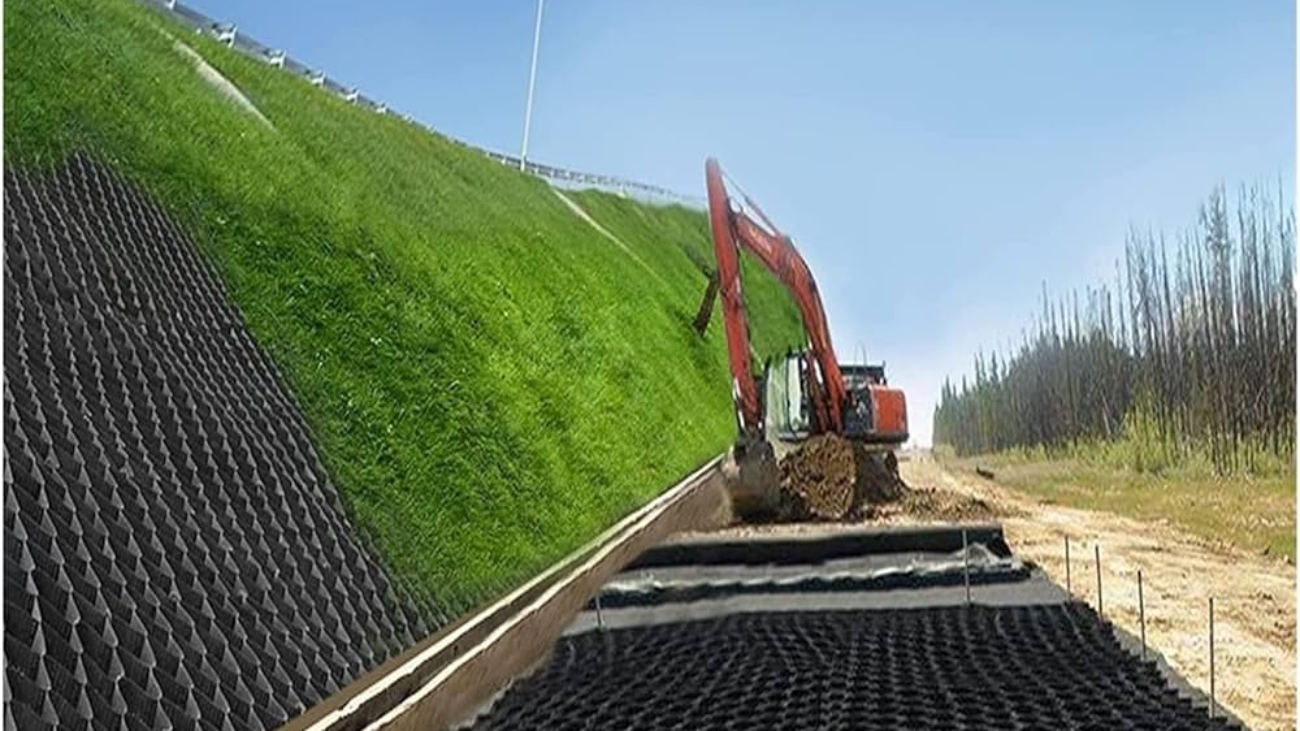
Geocells hold the vulnerable top layer of soil tightly in place regardless of the severe incline angle. Workers securely anchor the empty panels to the steep hillside using heavy metal tendons and strong metal stakes. Once securely fastened, they fill the open pockets with nutrient-rich topsoil. The heavy dirt is permanently trapped in the small plastic squares and simply cannot wash down the hill.
Establishing Healthy Green Landscapes
The brilliant open-top design of the cellular pockets naturally encourages deep vegetation growth. Rainwater easily permeates the system, allowing strong plant roots to grow straight down through the entire plastic structure. The roots intertwine with the plastic grid, creating an incredibly strong living barrier against future erosion. Within just a few short months, the ugly plastic panels completely disappear beneath a beautiful and highly secure green landscape.
Building Advanced Earth Retaining Walls
Civil engineers frequently utilize this same technology to build massive earth retaining structures. Traditional concrete retaining walls are highly expensive to engineer and require massive amounts of custom steel reinforcements. Alternatively, landscape contractors can simply stack filled cellular panels directly on top of one another to build a highly stable stepped wall.
The immense weight of the confined dirt naturally creates a massive gravity wall that easily holds back tons of earth. This innovative building method requires far less specialized labor than pouring highly structural concrete walls. It is a wonderfully efficient and heavily utilized solution for commercial parking lots and large residential property developments.
Structural Integrity with Natural Aesthetics
The unique stepped nature of a cellular retaining wall provides amazing aesthetic advantages over boring solid concrete blocks. Landscapers purposefully plant trailing vines and bright, colorful flowers in the exposed outer edge pockets of the wall structure. This beautiful green approach softens the harsh visual impact of massive infrastructure projects in quiet residential neighborhoods. You achieve maximum structural security without ever sacrificing the natural beauty of the local outdoor environment.
Channel Protection and Stormwater Management
Managing excess stormwater runoff is a highly critical component of modern urban city planning. Unprotected drainage ditches quickly erode under the intense physical pressure of fast-flowing local floodwaters. Installing these grids along the bottom and sides of a drainage channel prevents the rushing water from deeply scouring away the underlying earth.
The textured honeycomb structure greatly slows down the overall water velocity. This deliberate slowing effect helps to naturally filter out harmful street pollutants before they eventually reach our local rivers and lakes. It is a highly brilliant ecological approach to managing urban water flow safely and responsibly.
Managing High Velocity Water Flows
For extremely high velocity water channels, contractors can actually fill the cellular pockets with liquid concrete instead of loose dirt. This highly specific method creates a flexible concrete armor that perfectly matches the unique contours of the large drainage channel. It uses significantly less expensive concrete than a traditional poured channel while providing the same level of heavy-duty erosion protection.
The Financial Advantages of Geocell Installations
Smart project managers are constantly searching for proven ways to heavily optimize their tight construction budgets. Choosing advanced ground stabilization technology provides immediate financial benefits on nearly every single large-scale project. The sheer speed of daily deployment heavily reduces the amount of expensive manual labor required to finish the massive job.
A small dedicated crew of local workers can easily deploy thousands of square feet of cellular panels in a single productive afternoon. Because the panels do not require highly specialized welding equipment, you avoid paying premium rates for technical machine operators. Faster installation naturally translates into massive cost savings for the overall project.
Lowering Transportation and Logistical Costs
The highly unique folding design of these systems also drastically lowers your total shipping expenses. At the original manufacturing facility, the panels are compressed entirely flat into highly tight, lightweight bundles. A single standard flatbed semi truck can easily transport enough material to cover a massive acreage on your site. This incredible logistical efficiency keeps your construction project moving forward without experiencing frustrating daily material shortages.
Environmental Impact and Sustainable Construction
The global construction industry is currently shifting rapidly toward much more sustainable building practices. Reducing our daily reliance on quarried stone directly lowers the massive carbon footprint associated with heavy commercial rock mining. By intelligently utilizing local native soils for your fill material, you actively reduce the number of large diesel trucks driving through quiet local communities.
These smart environmental choices create a much cleaner and significantly quieter daily construction site. Project stakeholders deeply appreciate development plans that actively prioritize ecological responsibility alongside raw structural performance. It is a highly intelligent way to build strong infrastructure while respecting the delicate natural world around us.
Protecting Vulnerable Local Ecosystems
Unlike completely solid black asphalt surfaces, a cellular road base remains highly permeable to natural falling rainwater. Permeable surfaces allow surface water to naturally seep back into the deep local underground aquifers instead of rushing forcefully into overloaded municipal storm drains. This fantastic natural water management significantly protects sensitive aquatic habitats from sudden and destructive urban flood events.
The Installation Process from Start to Finish
Proper daily installation is absolutely critical to the long-term success of any cellular confinement project. The complex process begins with highly meticulous site preparation and laser grading. The ground must be thoroughly cleared of large, sharp debris and graded to the exact correct elevation.
Here are the critical steps every crew must strictly follow.
- Thoroughly clear the native subgrade of sharp rocks and all organic debris
- Install a high-quality base fabric to prevent long-term soil mixing
- Stretch panels to their absolute maximum designed structural dimensions
- Overfill the open pockets slightly to account for future soil settling
Workers usually lay down a strong woven geotextile fabric to act as a permanent separator between the wet, muddy subgrade and the clean upper fill material. Once the base layer is completely ready, the construction crew physically stretches the compressed plastic panels open to their full maximum size.
Filling and Compaction Techniques
Filling the fully expanded pockets requires a highly delicate touch to avoid crushing the empty plastic walls. Contractors generally use front-end loaders or specialized stone slinger trucks to gently drop the heavy fill material directly from above. Once all the individual square cells are full, heavy vibratory rollers drive slowly over the top surface. This rigorous physical compaction process locks the aggregate tightly against the plastic walls, ensuring absolute maximum structural density.
Avoiding Common Installation Mistakes
Rushing the delicate filling process is the absolute most common mistake made on busy and stressful job sites. Dropping massive piles of heavy rocks from too high up in the air can easily crush or permanently deform the thin plastic cell walls. If the internal plastic walls buckle under pressure, the entire system permanently loses its ability to properly confine the dirt.
Careful daily supervision during the entire filling phase guarantees your expensive ground stabilization investment remains fully intact. You must ensure your equipment operators deeply understand the specific physical limitations of the empty plastic grid before they begin dropping heavy rocks. Taking your time during this critical step prevents highly expensive reconstruction efforts down the road.
Ensuring Long-Term Project Confidence
Investing deeply in these highly advanced materials provides absolutely unparalleled peace of mind for both the civil engineers and the local property owners alike. You never again have to worry about your expensive access roads washing away or your steep dirt embankments collapsing during a severe summer hurricane. The technology is thoroughly proven across thousands of highly demanding global infrastructure projects ranging from local public parks to massive military airbases.
Partnering with Ground Stabilization Experts
Achieving these incredibly secure structural results requires working very closely alongside seasoned professionals who deeply understand the complex mechanics of soil behavior. Every single development project features highly unique site conditions that demand deeply specific engineered solutions. The correct panel wall thickness and the exact cell size must be carefully calculated based on your anticipated weight loads and the local soil density.
Taking the Right Next Step
You absolutely do not have to tackle these complicated civil engineering challenges all by yourself. By actively consulting with industry-leading stabilization experts, you secure guaranteed access to the best raw materials and the smartest structural design strategies. When you are fully ready to completely transform your next site development project,t explore premium geocell solutions specifically designed to meet your highly exact structural needs. Proper planning and professional industry partnerships guarantee your site foundation will remain rock solid for many decades to come.