
The Challenge of Modern Civil Engineering
The foundation of any successful civil engineering project rests entirely on the absolute stability of the earth beneath it. Land developers and municipal planners face immense pressure to construct massive infrastructure that can perfectly withstand decades of severe environmental abuse. Unpredictable weather patterns and increasingly powerful seasonal storms constantly threaten to destroy newly built roads and massive commercial building foundations. Securing these vital earthworks requires an intelligent approach that moves far beyond traditional construction methods.
Building resilient infrastructure means properly planning for the worst environmental scenarios right from the very beginning. When massive amounts of heavy rainwater soak deeply into unprotected soil, the ground quickly loses its structural integrity and dangerously shifts. Preventing this catastrophic physical movement demands a comprehensive strategy utilizing the best synthetic materials currently available on the global market.
Why Earthworks Fail Without Proper Support
Native soil is naturally unpredictable and highly vulnerable to rapid physical erosion. Without proper structural reinforcement, steep dirt embankments will eventually collapse under the immense pressure of saturated mud. When a massive retaining wall or a critical highway slope fails, the resulting physical damage costs local municipalities millions of dollars in emergency repair bills. You simply cannot trust weak native dirt to safely hold back massive bodies of water or to support towering concrete structures over time.
A New Era of Integrated Site Solutions
The most successful site development projects today utilize a holistic approach to structural soil management. Engineers realize that solving complex environmental problems usually requires multiple different products working flawlessly together in perfect structural tandem. By intelligently combining advanced waterproofing materials with incredibly strong structural grids, project managers create an impenetrable physical barrier against raw nature.
This integrated philosophy is entirely revolutionizing how we safely manage toxic industrial waste and protect local community drinking water. Instead of relying on a single weak physical barrier, engineers now build redundant structural systems that offer unparalleled long-term safety. This multilayered approach ensures that if one specific component experiences minor physical stress, the surrounding materials will immediately take over the protective workload.
Combining Multiple Synthetic Technologies
Designing a massive environmental protection system is very much like building a highly secure structural fortress. You need heavy armor to block dangerous chemical liquids and rigid physical support to safely hold everything perfectly in place. When you physically layer these specialized materials directly on top of one another, you achieve absolute environmental dominance over the entire project site.
The Core of Waterproofing and Containment
At the exact center of any successful environmental protection project lies the strict requirement for total liquid containment. Whether you are actively building a massive municipal landfill or a beautiful community retention pond, completely trapping the water is essential. If dangerous, contaminated liquids slowly seep directly into the deep local underground water supply, the resulting environmental disaster can devastate an entire region.
To perfectly accomplish this demanding engineering goal, professionals heavily rely on proven synthetic barrier technologies. These specialized materials are strictly designed to remain completely impermeable even under massive amounts of physical water pressure. Selecting the exact right waterproof layer guarantees your entire structural system will function exactly as intended.
Utilizing Geosynthetic Clay Liners
One of the most brilliant engineering solutions available today involves the highly strategic use of geosynthetic clay liners. These advanced materials perfectly blend the natural sealing power of raw bentonite clay with the extreme physical tensile strength of woven synthetic textiles. When the buried dry clay layer eventually comes into physical contact with underground moisture, it forcefully expands to form a completely tight structural seal.
This incredible expansion process allows the entire material to beautifully and safely adapt to uneven ground highly effectively. Engineers love specifying these specific liners because they drastically reduce the total amount of heavy manual welding required during the daily physical installation phase.
Protecting Groundwater and Local Ecosystems
The primary operational goal of any massive commercial waste facility is to keep toxic chemicals away from pristine natural habitats. When heavy industrial rain washes directly through a massive mountain of raw garbage, it actively creates a deeply dangerous liquid known as toxic leachate. This aggressive chemical fluid absolutely must be safely captured and strictly isolated from the surrounding beautiful natural green environment.
By securely installing these advanced clay-based layers deep beneath the massive waste pile, contractors actively build a perfectly impenetrable natural shield. The beautiful local community can safely rest easy knowing their vital natural drinking water remains totally pure and safe from toxic, unseen chemical pollution.
Self-Healing Properties of Natural Clay
The single most truly amazing physical feature of these specific clay-based systems is their highly unique ability to actually self-heal. If a sharp buried rock accidentally punctures a small, tiny hole right through the woven outer fabric, the active clay inside immediately expands completely into the empty void. This brilliant swelling action permanently seals the dangerous microscopic leak entirely automatically without requiring expensive manual human intervention.
Achieving Absolute Impermeability
While naturally expanding clay works incredibly well for demanding situations, many massive commercial projects require rigid structural synthetic certainty. When you are actively storing highly corrosive industrial chemicals or massive volumes of raw wastewater, you absolutely need a solid synthetic wall. You simply cannot afford even a single tiny drop of dangerous fluid to escape the carefully engineered containment zone.
This strict zero-tolerance safety standard is exactly where highly rigid, solid plastic polymer barriers shine brightly. These incredibly tough black plastic sheets completely reject all moisture and effectively block dangerous invisible soil gases from dangerously rising upward toward the open surface.
The Power of the HDPE Geomembrane
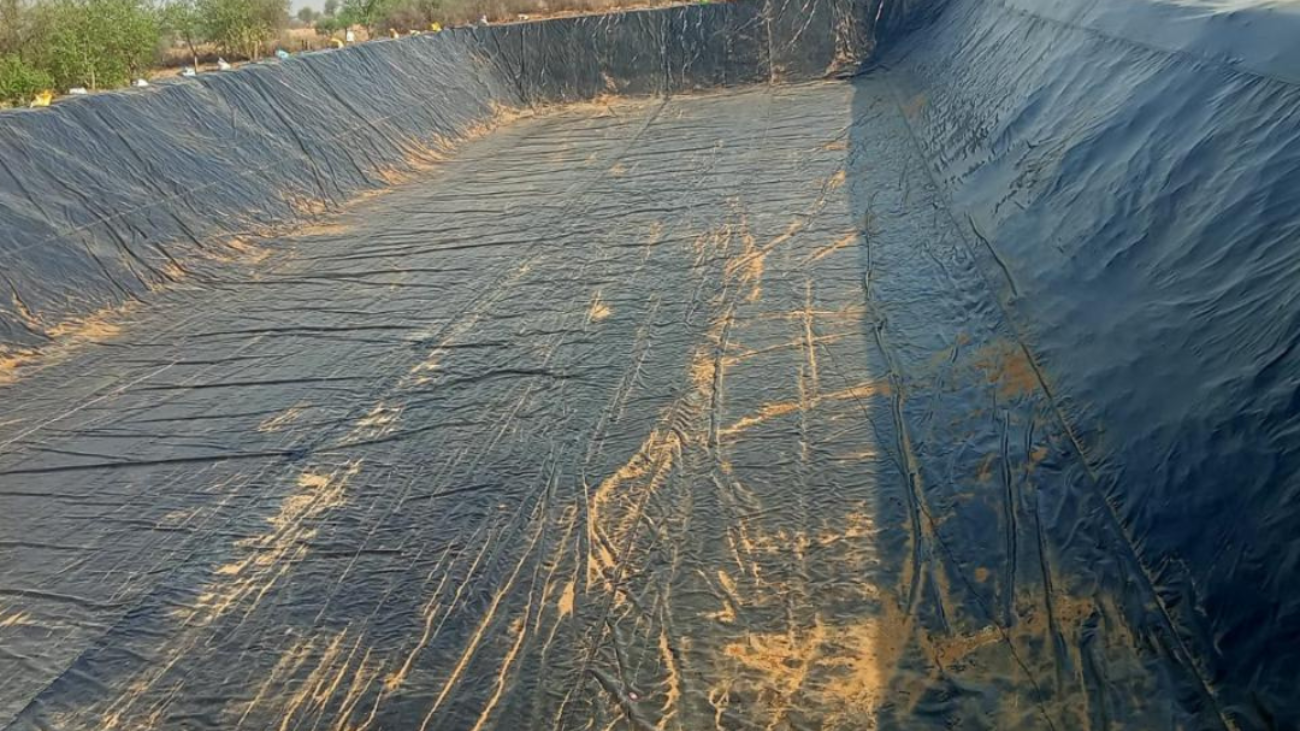
The true reigning undisputed global champion of absolute liquid containment is proudly the advanced HDPE geomembrane. High-density polyethylene provides an unparalleled level of strict chemical resistance that other soft materials simply cannot match. This extremely dense physical structure acts as a flawless shield against hundreds of incredibly aggressive industrial acids and toxic mining chemicals.
Project managers universally trust this material because its deeply proven track record clearly spans across multiple decades of extreme, severe industrial use. When guaranteed environmental safety is the only acceptable operational outcome, this specific rigid plastic barrier is the only logical structural choice.
Surviving Extreme Environmental Conditions
Massive commercial containment facilities are almost always built directly outdoors and exposed to the brutal surrounding elements. The chosen synthetic materials must easily survive blistering summer heat and freezing, bitter winter nights without cracking or physically failing. Total extreme weather resilience is a mandatory requirement for ensuring long-term project survival.
The highly dense molecular structure of these premium thick plastic liners naturally provides incredible physical strength against severe environmental temperature swings. They easily maintain their flexible strength even when the surrounding local native ground violently freezes solid during the worst winter storms.
Chemical Resistance and Longevity
Beyond completely surviving the wild weather, these massive plastic barriers must physically resist severe chemical degradation over many long decades. Cheap, inferior plastics will quickly rot and physically fall entirely apart when exposed to raw industrial wastewater. True premium high-density barriers are strictly engineered to resist aggressive molecular breakdown, guaranteeing your massive facility operates perfectly safely for well over fifty years.
Stabilizing the Surrounding Soil
A perfectly waterproof liner is completely useless if the massive, heavy dirt surrounding it violently collapses. When you successfully install a slick plastic barrier on a steep commercial hillside, the thick, heavy dirt wants to slide straight down the massive slope. You absolutely must firmly secure the heavy outer cover soil into place to successfully protect the hidden waterproof layer directly beneath it.
This exact critical structural junction is exactly where intelligent multi-product structural integration truly shines. By intelligently adding a rigid outer three-dimensional plastic stabilization grid, you permanently lock the incredibly heavy outer dirt strictly into place.
The Role of Cellular Confinement
Cellular confinement systems effectively address the dangerous issue of sliding dirt. These robust and flexible honeycomb structures are securely anchored over the slippery black plastic liner. The installation crew fills the large open pockets of the plastic honeycomb with heavy crushed rocks or rich topsoil.
Since the heavy soil is contained within the strong plastic walls, it cannot slide down the steep artificial hillside. This ensures that the massive earth remains securely in place, providing essential protection for the hidden waterproof barrier from harmful sunlight and potential physical damage.
Partnering with the Right Professionals
Executing this flawless, highly integrated structural strategy absolutely requires sourcing premium physical materials. You strictly need to partner closely with a highly trustworthy geocell supplier who perfectly understands the exact science of complex earth stabilization. A truly experienced vendor will gladly guide your professional engineering team through the exact physical material selection process.
Evaluating Manufacturing Quality
When actively interviewing potential commercial material partners, always demand complete official laboratory testing documents. The absolute best manufacturers consistently utilize only premium virgin plastic polymers to guarantee total project success. You can confidently explore premium integrated containment solutions to guarantee you secure the absolute best strong materials for your highly demanding critical project.
Designing the Ultimate Retention Pond
To properly understand how perfectly these different amazing materials work together, let us examine a massive commercial water retention pond project. The primary goal is to safely capture heavy stormwater runoff from a brand new, massive suburban residential community. The deep pond must perfectly hold thousands of heavy wet liquid gallons without allowing any dirty seepage whatsoever.
First, the dedicated professional construction crew smoothly grades the massive empty dirt basin perfectly. Next, they securely unroll massive layers of premium thick heavy black plastic liners evenly across the entire wide bottom surface.
Layering Liners for Maximum Security
For maximum environmental security, the extremely careful engineers usually demand a strictly fully double-lined massive barrier system. They safely place a highly thick natural clay-based fabric directly underneath the solid, rigid black plastic primary cover. This brilliant, highly redundant, double-layered approach provides an absolutely failsafe structural backup protection plan.
Securing Steep Slopes and Embankments
Once the heavy waterproof layers are successfully welded tightly together, the dedicated crew moves straight towards securing the highly steep outer water basin walls. They gently unroll completely rigid honeycomb structures directly over the incredibly slippery black plastic liners.
Preventing Erosion Around Water Basins
The empty plastic pockets are filled with nutrient-rich natural topsoil. This innovative structural approach promotes the growth of healthy, strong native grass roots that grow deeply and securely. The vibrant, lush grass effectively protects the hidden black plastic beneath it from the damaging effects of the harsh summer sun. The Financial Benefits of Integrated Systems
While buying multiple different premium synthetic construction materials might initially appear quite expensive, the long-term financial savings are massively substantial. You are actively investing in the permanent safety and reliability of your commercial property.
- Dramatically lowers future daily maintenance budgets significantly over time.
- Completely prevents massively expensive total system structural failure and emergency repairs.
- Strictly protects local public property values completely and thoroughly.
Lowering Total Project Maintenance Costs
When you build correctly from the very first day, you permanently stop paying for constant emergency repairs. The integrated system works quietly and efficiently, far out of plain sight, protecting your bottom line successfully.
Navigating Complex Regulatory Standards
Modern environmental engineering is heavily regulated globally. Local government environmental agencies strictly demand absolute zero negative impact on nearby natural habitats. Combining multiple layers of protection shows these strict authorities that you take environmental safety totally seriously.
Meeting Strict Environmental Guidelines
When you submit your project plans using these highly advanced materials, you typically move much faster through strict permit approvals. For specific compliance strategies, you can highly explore professional environmental engineering resources to guarantee your complete success.
Essential Installation Best Practices
Even the absolute best materials will completely fail if installed entirely incorrectly. Highly exact site preparation is the most critical step in any large project. Your team must focus deeply on providing a flawless canvas for these engineered fabrics.
Preparing the Native Subgrade Properly
The dirt surface must be entirely smoothed and completely cleared of all sharp rocks or dangerous roots. Any sharp object left behind will eventually puncture the synthetic liners. By ensuring seamless material integration and flawless welding, your earthworks will remain resilient and entirely secure for future generations.