2 (1)

Building Resilient Earthworks: Integrating Advanced Containment and Retaining Systems

The Challenge of Modern Civil Engineering

The foundation of any successful civil engineering project rests entirely on the absolute stability of the earth beneath it. Land developers and municipal planners face immense pressure to construct massive infrastructure that can perfectly withstand decades of severe environmental abuse. Unpredictable weather patterns and increasingly powerful seasonal storms constantly threaten to destroy newly built roads and massive commercial building foundations. Securing these vital earthworks requires an intelligent approach that moves far beyond traditional construction methods.

Building resilient infrastructure means properly planning for the worst environmental scenarios right from the very beginning. When massive amounts of heavy rainwater soak deeply into unprotected soil, the ground quickly loses its structural integrity and dangerously shifts. Preventing this catastrophic physical movement demands a comprehensive strategy utilizing the best synthetic materials currently available on the global market.

Why Earthworks Fail Without Proper Support

Native soil is naturally unpredictable and highly vulnerable to rapid physical erosion. Without proper structural reinforcement, steep dirt embankments will eventually collapse under the immense pressure of saturated mud. When a massive retaining wall or a critical highway slope fails, the resulting physical damage costs local municipalities millions of dollars in emergency repair bills. You simply cannot trust weak native dirt to safely hold back massive bodies of water or to support towering concrete structures over time.

A New Era of Integrated Site Solutions

The most successful site development projects today utilize a holistic approach to structural soil management. Engineers realize that solving complex environmental problems usually requires multiple different products working flawlessly together in perfect structural tandem. By intelligently combining advanced waterproofing materials with incredibly strong structural grids, project managers create an impenetrable physical barrier against raw nature.

This integrated philosophy is entirely revolutionizing how we safely manage toxic industrial waste and protect local community drinking water. Instead of relying on a single weak physical barrier, engineers now build redundant structural systems that offer unparalleled long-term safety. This multilayered approach ensures that if one specific component experiences minor physical stress, the surrounding materials will immediately take over the protective workload.

Combining Multiple Synthetic Technologies

Designing a massive environmental protection system is very much like building a highly secure structural fortress. You need heavy armor to block dangerous chemical liquids and rigid physical support to safely hold everything perfectly in place. When you physically layer these specialized materials directly on top of one another, you achieve absolute environmental dominance over the entire project site.

The Core of Waterproofing and Containment

At the exact center of any successful environmental protection project lies the strict requirement for total liquid containment. Whether you are actively building a massive municipal landfill or a beautiful community retention pond, completely trapping the water is essential. If dangerous, contaminated liquids slowly seep directly into the deep local underground water supply, the resulting environmental disaster can devastate an entire region.

To perfectly accomplish this demanding engineering goal, professionals heavily rely on proven synthetic barrier technologies. These specialized materials are strictly designed to remain completely impermeable even under massive amounts of physical water pressure. Selecting the exact right waterproof layer guarantees your entire structural system will function exactly as intended.

Utilizing Geosynthetic Clay Liners

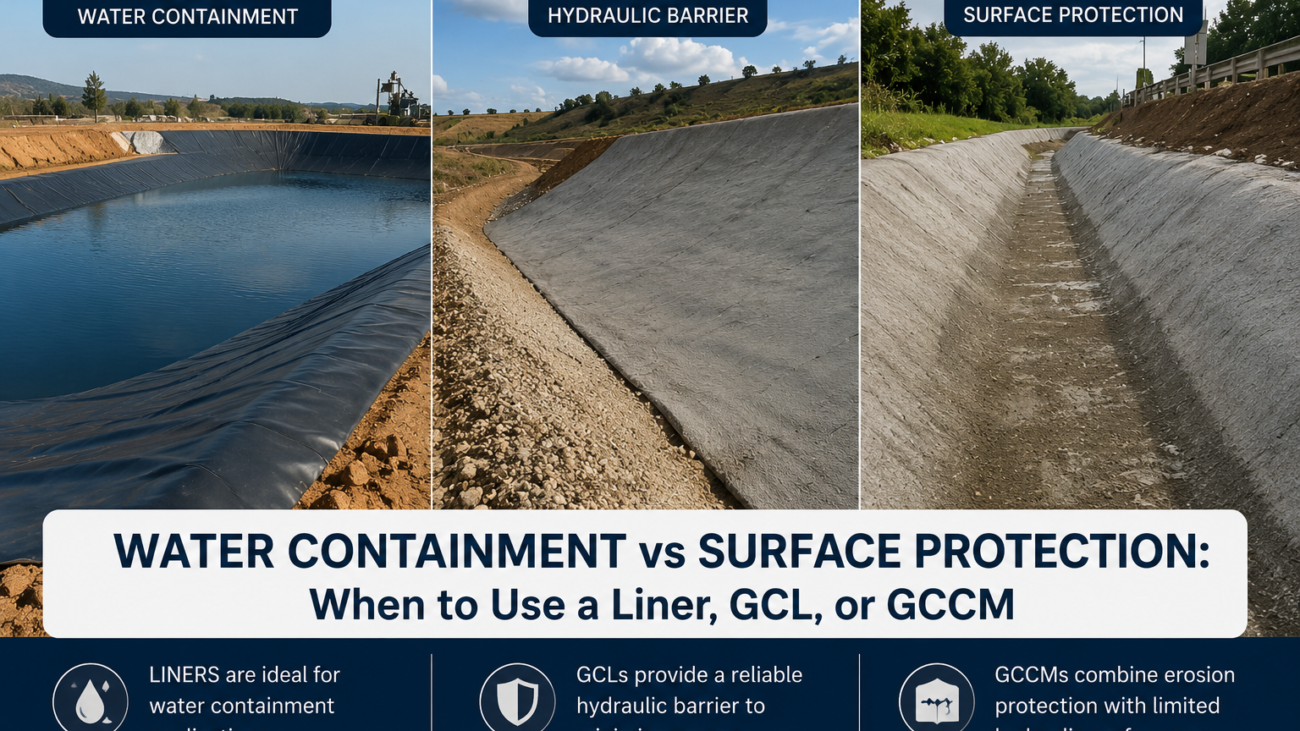
One of the most brilliant engineering solutions available today involves the highly strategic use of geosynthetic clay liners. These advanced materials perfectly blend the natural sealing power of raw bentonite clay with the extreme physical tensile strength of woven synthetic textiles. When the buried dry clay layer eventually comes into physical contact with underground moisture, it forcefully expands to form a completely tight structural seal.

This incredible expansion process allows the entire material to beautifully and safely adapt to uneven ground highly effectively. Engineers love specifying these specific liners because they drastically reduce the total amount of heavy manual welding required during the daily physical installation phase.

Protecting Groundwater and Local Ecosystems

The primary operational goal of any massive commercial waste facility is to keep toxic chemicals away from pristine natural habitats. When heavy industrial rain washes directly through a massive mountain of raw garbage, it actively creates a deeply dangerous liquid known as toxic leachate. This aggressive chemical fluid absolutely must be safely captured and strictly isolated from the surrounding beautiful natural green environment.

By securely installing these advanced clay-based layers deep beneath the massive waste pile, contractors actively build a perfectly impenetrable natural shield. The beautiful local community can safely rest easy knowing their vital natural drinking water remains totally pure and safe from toxic, unseen chemical pollution.

Self-Healing Properties of Natural Clay

The single most truly amazing physical feature of these specific clay-based systems is their highly unique ability to actually self-heal. If a sharp buried rock accidentally punctures a small, tiny hole right through the woven outer fabric, the active clay inside immediately expands completely into the empty void. This brilliant swelling action permanently seals the dangerous microscopic leak entirely automatically without requiring expensive manual human intervention.

Achieving Absolute Impermeability

While naturally expanding clay works incredibly well for demanding situations, many massive commercial projects require rigid structural synthetic certainty. When you are actively storing highly corrosive industrial chemicals or massive volumes of raw wastewater, you absolutely need a solid synthetic wall. You simply cannot afford even a single tiny drop of dangerous fluid to escape the carefully engineered containment zone.

This strict zero-tolerance safety standard is exactly where highly rigid, solid plastic polymer barriers shine brightly. These incredibly tough black plastic sheets completely reject all moisture and effectively block dangerous invisible soil gases from dangerously rising upward toward the open surface.

The Power of the HDPE Geomembrane

The true reigning undisputed global champion of absolute liquid containment is proudly the advanced HDPE geomembrane. High-density polyethylene provides an unparalleled level of strict chemical resistance that other soft materials simply cannot match. This extremely dense physical structure acts as a flawless shield against hundreds of incredibly aggressive industrial acids and toxic mining chemicals.

Project managers universally trust this material because its deeply proven track record clearly spans across multiple decades of extreme, severe industrial use. When guaranteed environmental safety is the only acceptable operational outcome, this specific rigid plastic barrier is the only logical structural choice.

Surviving Extreme Environmental Conditions

Massive commercial containment facilities are almost always built directly outdoors and exposed to the brutal surrounding elements. The chosen synthetic materials must easily survive blistering summer heat and freezing, bitter winter nights without cracking or physically failing. Total extreme weather resilience is a mandatory requirement for ensuring long-term project survival.

The highly dense molecular structure of these premium thick plastic liners naturally provides incredible physical strength against severe environmental temperature swings. They easily maintain their flexible strength even when the surrounding local native ground violently freezes solid during the worst winter storms.

Chemical Resistance and Longevity

Beyond completely surviving the wild weather, these massive plastic barriers must physically resist severe chemical degradation over many long decades. Cheap, inferior plastics will quickly rot and physically fall entirely apart when exposed to raw industrial wastewater. True premium high-density barriers are strictly engineered to resist aggressive molecular breakdown, guaranteeing your massive facility operates perfectly safely for well over fifty years.

Stabilizing the Surrounding Soil

A perfectly waterproof liner is completely useless if the massive, heavy dirt surrounding it violently collapses. When you successfully install a slick plastic barrier on a steep commercial hillside, the thick, heavy dirt wants to slide straight down the massive slope. You absolutely must firmly secure the heavy outer cover soil into place to successfully protect the hidden waterproof layer directly beneath it.

This exact critical structural junction is exactly where intelligent multi-product structural integration truly shines. By intelligently adding a rigid outer three-dimensional plastic stabilization grid, you permanently lock the incredibly heavy outer dirt strictly into place.

The Role of Cellular Confinement

Cellular confinement systems effectively address the dangerous issue of sliding dirt. These robust and flexible honeycomb structures are securely anchored over the slippery black plastic liner. The installation crew fills the large open pockets of the plastic honeycomb with heavy crushed rocks or rich topsoil.

Since the heavy soil is contained within the strong plastic walls, it cannot slide down the steep artificial hillside. This ensures that the massive earth remains securely in place, providing essential protection for the hidden waterproof barrier from harmful sunlight and potential physical damage.

Partnering with the Right Professionals

Executing this flawless, highly integrated structural strategy absolutely requires sourcing premium physical materials. You strictly need to partner closely with a highly trustworthy geocell supplier who perfectly understands the exact science of complex earth stabilization. A truly experienced vendor will gladly guide your professional engineering team through the exact physical material selection process.

Evaluating Manufacturing Quality

When actively interviewing potential commercial material partners, always demand complete official laboratory testing documents. The absolute best manufacturers consistently utilize only premium virgin plastic polymers to guarantee total project success. You can confidently explore premium integrated containment solutions to guarantee you secure the absolute best strong materials for your highly demanding critical project.

Designing the Ultimate Retention Pond

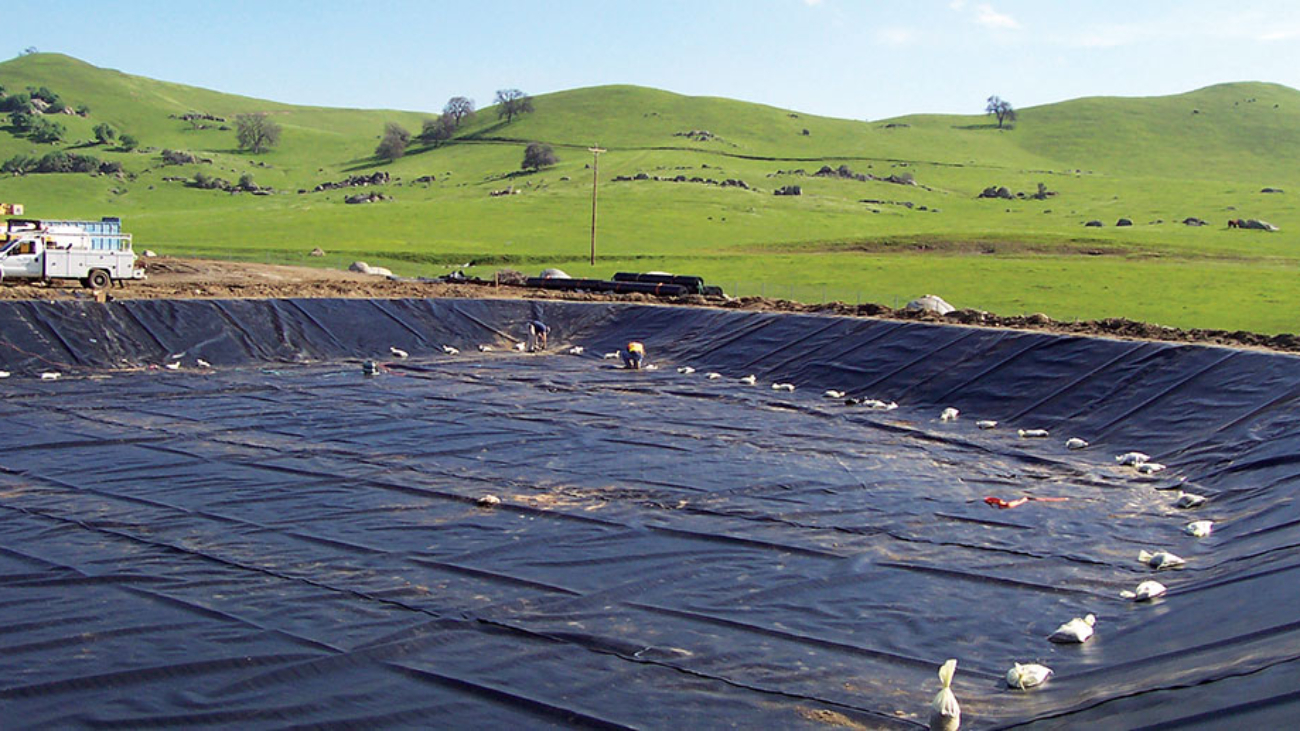
To properly understand how perfectly these different amazing materials work together, let us examine a massive commercial water retention pond project. The primary goal is to safely capture heavy stormwater runoff from a brand new, massive suburban residential community. The deep pond must perfectly hold thousands of heavy wet liquid gallons without allowing any dirty seepage whatsoever.

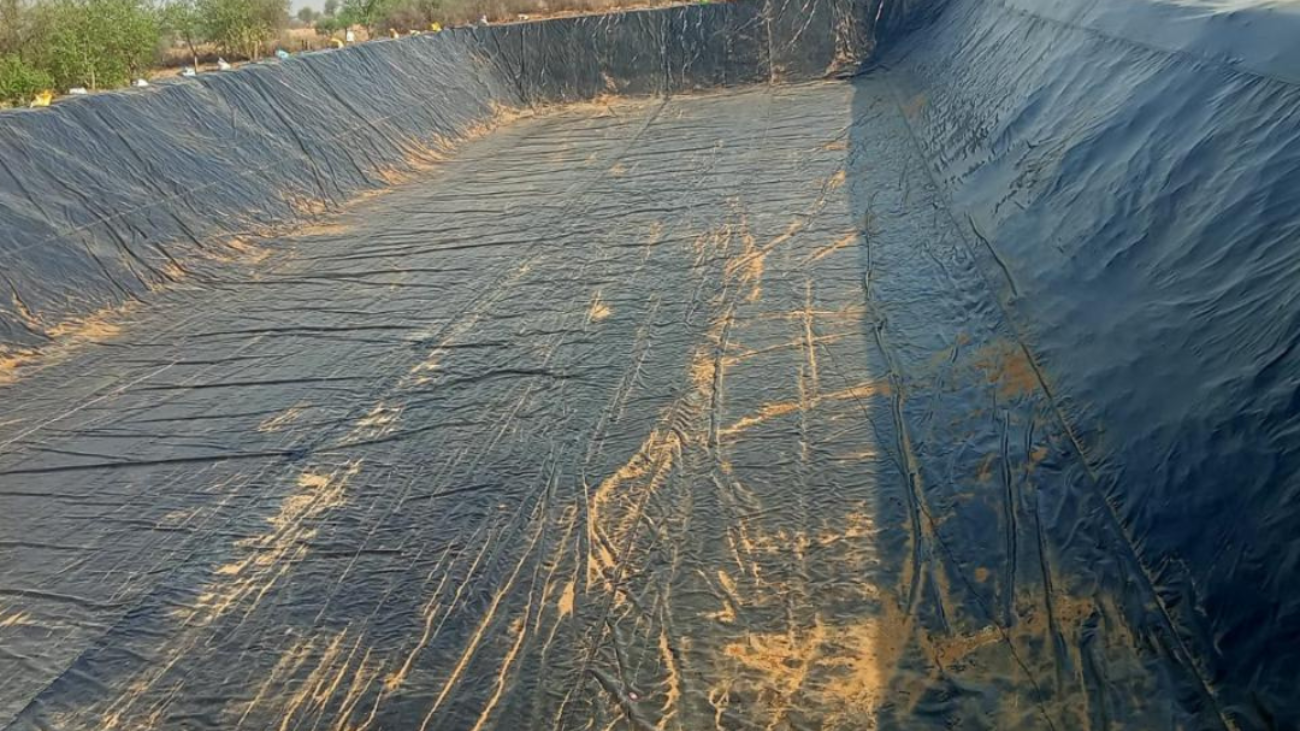
First, the dedicated professional construction crew smoothly grades the massive empty dirt basin perfectly. Next, they securely unroll massive layers of premium thick heavy black plastic liners evenly across the entire wide bottom surface.

Layering Liners for Maximum Security

For maximum environmental security, the extremely careful engineers usually demand a strictly fully double-lined massive barrier system. They safely place a highly thick natural clay-based fabric directly underneath the solid, rigid black plastic primary cover. This brilliant, highly redundant, double-layered approach provides an absolutely failsafe structural backup protection plan.

Securing Steep Slopes and Embankments

Once the heavy waterproof layers are successfully welded tightly together, the dedicated crew moves straight towards securing the highly steep outer water basin walls. They gently unroll completely rigid honeycomb structures directly over the incredibly slippery black plastic liners.

Preventing Erosion Around Water Basins

The empty plastic pockets are filled with nutrient-rich natural topsoil. This innovative structural approach promotes the growth of healthy, strong native grass roots that grow deeply and securely. The vibrant, lush grass effectively protects the hidden black plastic beneath it from the damaging effects of the harsh summer sun. The Financial Benefits of Integrated Systems

While buying multiple different premium synthetic construction materials might initially appear quite expensive, the long-term financial savings are massively substantial. You are actively investing in the permanent safety and reliability of your commercial property.

  • Dramatically lowers future daily maintenance budgets significantly over time.
  • Completely prevents massively expensive total system structural failure and emergency repairs.
  • Strictly protects local public property values completely and thoroughly.

Lowering Total Project Maintenance Costs

When you build correctly from the very first day, you permanently stop paying for constant emergency repairs. The integrated system works quietly and efficiently, far out of plain sight, protecting your bottom line successfully.

Navigating Complex Regulatory Standards

Modern environmental engineering is heavily regulated globally. Local government environmental agencies strictly demand absolute zero negative impact on nearby natural habitats. Combining multiple layers of protection shows these strict authorities that you take environmental safety totally seriously.

Meeting Strict Environmental Guidelines

When you submit your project plans using these highly advanced materials, you typically move much faster through strict permit approvals. For specific compliance strategies, you can highly explore professional environmental engineering resources to guarantee your complete success.

Essential Installation Best Practices

Even the absolute best materials will completely fail if installed entirely incorrectly. Highly exact site preparation is the most critical step in any large project. Your team must focus deeply on providing a flawless canvas for these engineered fabrics.

Preparing the Native Subgrade Properly

The dirt surface must be entirely smoothed and completely cleared of all sharp rocks or dangerous roots. Any sharp object left behind will eventually puncture the synthetic liners. By ensuring seamless material integration and flawless welding, your earthworks will remain resilient and entirely secure for future generations.

Sustainable Erosion Management: Balancing Natural Fibers and Structural Armoring

Sustainable Erosion Management: Balancing Natural Fibers and Structural Armoring

The Growing Need for Smart Erosion Control

Erosion is a completely natural process, but rapid soil loss can destroy valuable landscapes. Land developers and environmental contractors face constant challenges when protecting shorelines and steep slopes. Finding the exact right balance between natural aesthetics and structural strength is the key to modern site management. You need solutions that work in harmony with the environment while getting the job done safely.

Wind and water possess immense power to carve away the earth over time. Unprotected soil easily washes into local waterways, causing pollution and a massive loss of usable land. Implementing a well-planned erosion strategy preserves the surrounding environment and protects your financial investment in the property.

Understanding the Basics of Soil Retention

The core goal of any erosion strategy is to keep dirt exactly where it belongs. Water runoff needs a safe path to flow without taking the top layers of soil along with it. Project managers must evaluate water velocity and local soil type before selecting their preferred protection methods.

The Great Debate of Soft Armor Versus Hard Armor

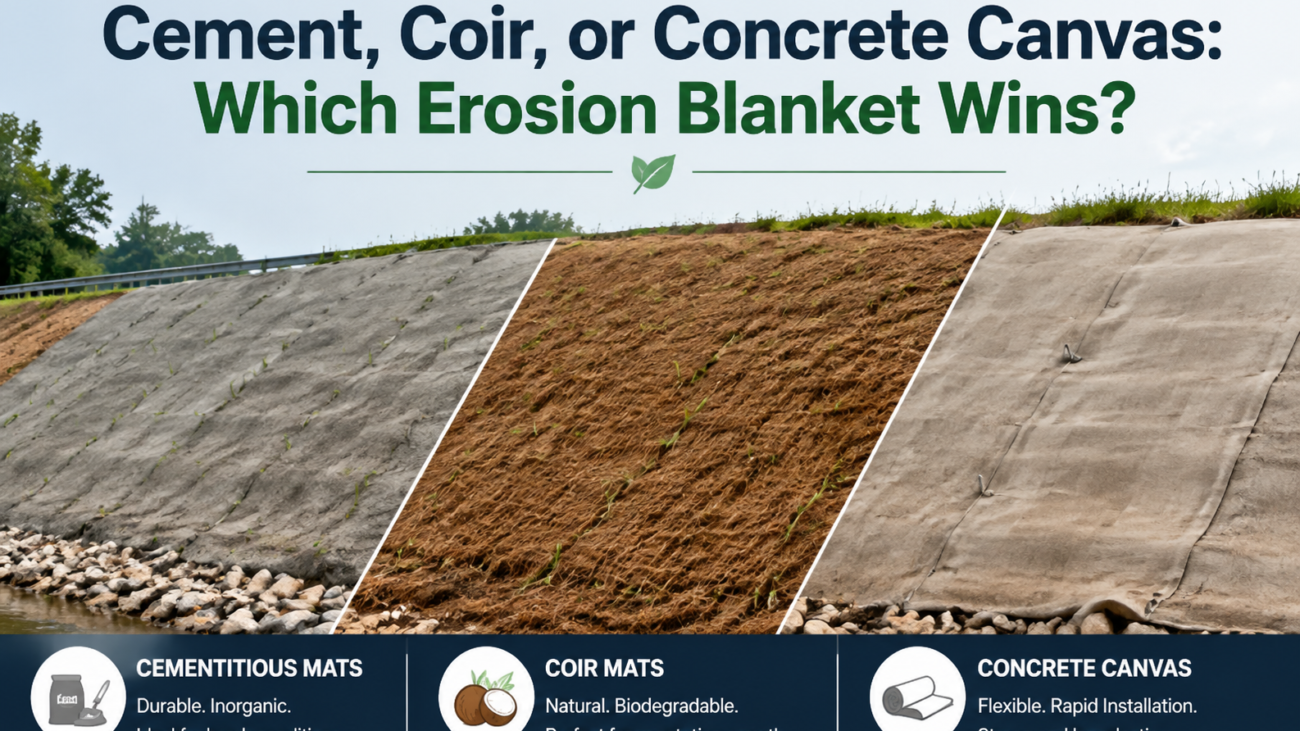
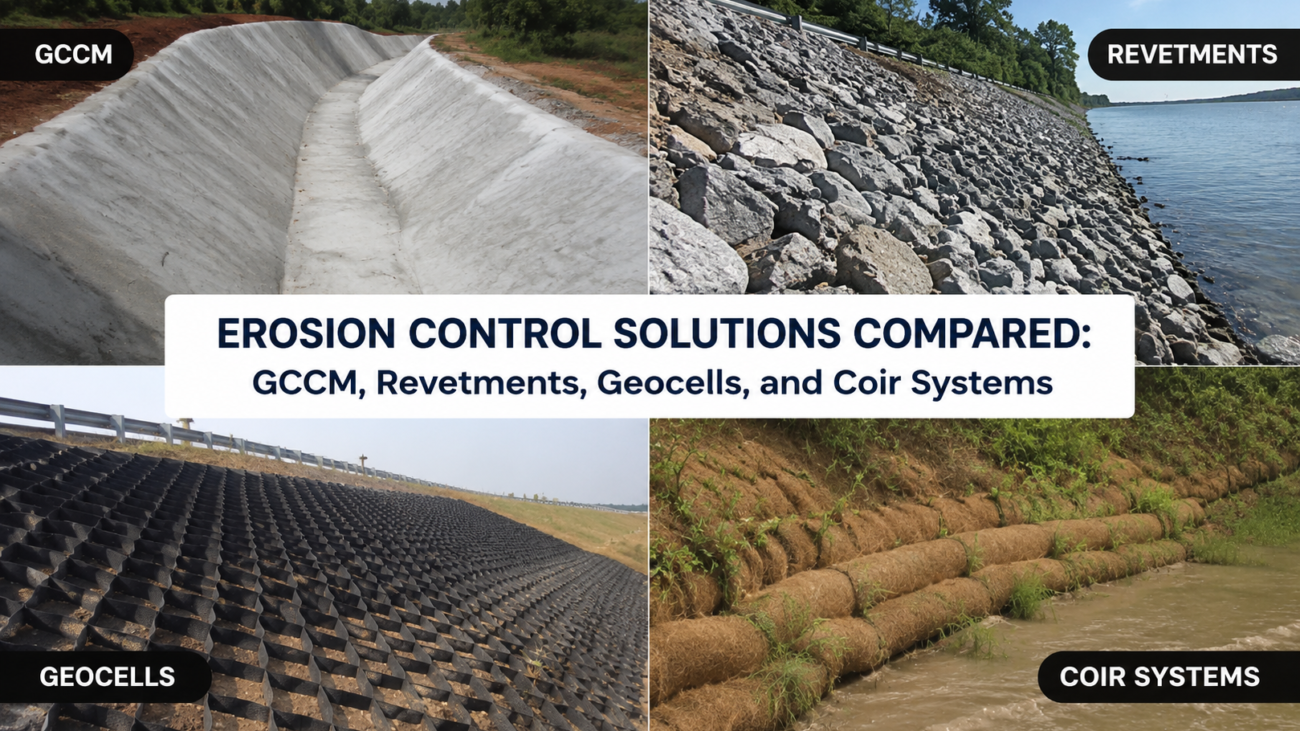
The landscape industry generally divides erosion protection into two main categories, known as soft armor and hard armor. Soft armor utilizes natural vegetation and biodegradable materials to stabilize the earth gently. Hard armor relies on heavy structural materials like rock or manufactured blocks to resist powerful water currents.

Choosing between these two distinct methods requires a careful analysis of the project site. Calm environments often thrive on soft, natural solutions that blend seamlessly into the surrounding greenery. High-energy environments with crashing waves or fast-moving rivers typically demand the rigid strength of structural armoring.

Protecting Vulnerable Shorelines

Coastal areas and riverbanks represent some of the most challenging environments for modern contractors. The constant movement of water aggressively eats away at the land edge every single day. Creating a resilient barrier in these zones is crucial for protecting nearby structures and maintaining healthy aquatic habitats.

Exploring the Power of Geotextile Coir Products

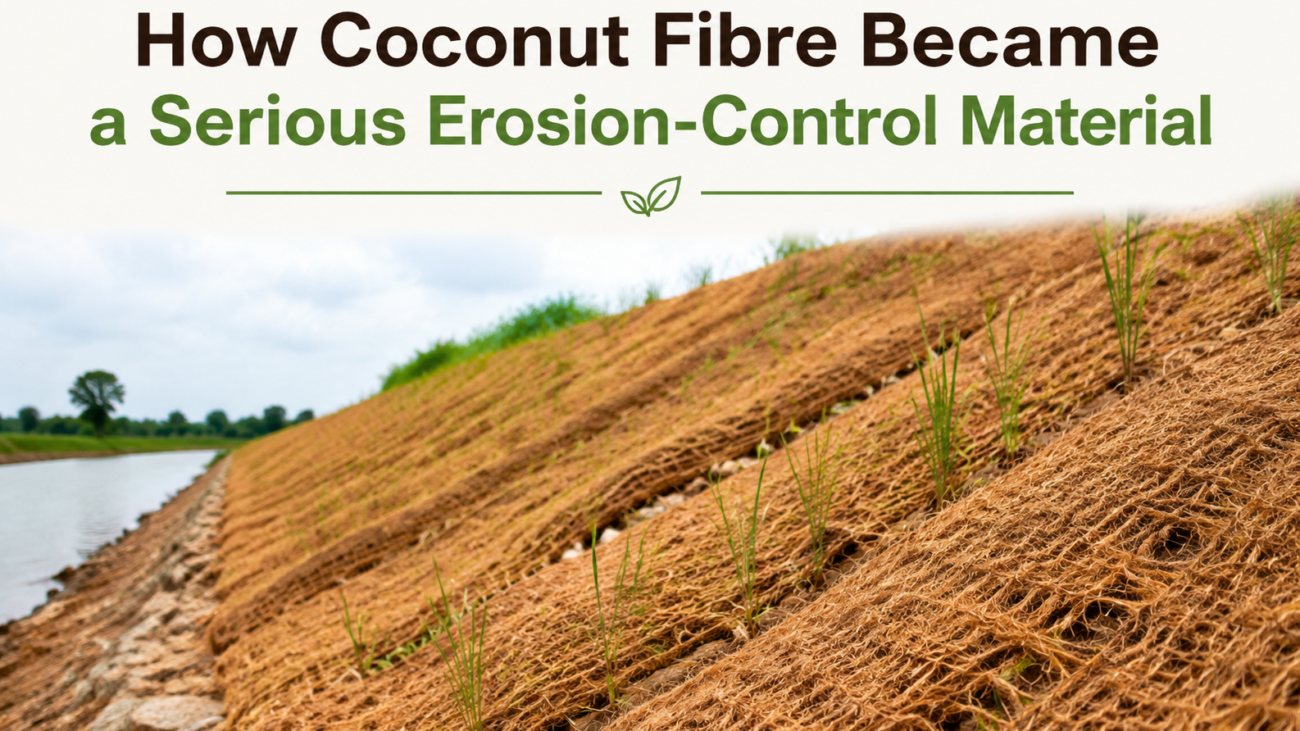
For projects requiring a gentle touch, many professionals immediately turn to geotextile coir products. These highly effective biodegradable materials originate from the tough fibrous husks of natural coconuts. The thick fibers are woven into durable mats and logs that provide immediate soil stabilization upon installation.

The open weave of these coconut fiber mats allows seeds and young plants to easily take root. As the natural fibers slowly decompose over several years, they enrich the surrounding soil with valuable organic matter. This beautiful natural cycle perfectly supports the establishment of permanent stabilizing vegetation.

How Natural Fibers Work with Nature

Unlike synthetic plastics, natural fibers behave like a true extension of the ecosystem. They absorb water incredibly efficiently, which helps keep delicate seeds moist during dry weather spells. This superior moisture retention significantly increases the survival rate of newly planted grasses and native vegetation.

The Benefits of a Green Coir Geotextile

Using a green coir geotextile offers an incredibly eco-friendly approach to landscape management. These specific mats are carefully designed to offer maximum protection while minimizing any negative environmental footprint. They perfectly suit projects located in highly sensitive ecological zones where synthetic materials are strictly prohibited.

The visual appeal of natural coconut fiber cannot be overstated by landscape architects. From the very moment of installation, these mats blend beautifully with the natural brown and green hues of the landscape. Property owners appreciate how quickly the site transforms from a messy construction zone back into a vibrant natural habitat.

Promoting Vegetation Growth and Soil Health

The ultimate goal of any biodegradable mat is to completely make itself obsolete. The woven structure acts as a temporary protective shield against heavy rain and surface runoff. Once the native root systems grow deep and strong, the plants themselves completely take over the job of holding the earth in place.

Structural Solutions with Concrete Revetments

When natural fibers simply cannot withstand the raw power of nature, engineers specify the use of concrete revetments. These interlocking systems create a massive and unyielding heavy shield over the vulnerable soil. They are meticulously designed to dissipate the destructive energy of crashing waves and fast-flowing water channels.

A major advantage of this hard armor approach is its incredible and reliable longevity. Once installed, these heavy blocks provide decades of reliable protection with very minimal maintenance required. They are the ultimate defense mechanism for critical civil infrastructure like highway embankments and municipal drainage canals.

Tackling High Velocity Water Flows

Fast-moving water exerts extreme shear stress on the ground directly below it. Loose dirt and gravel stand absolutely no chance against the scouring action of a flooded river. Structural blocks are heavy enough to stay firmly planted under intense water pressure, ensuring the underlying soil remains completely undisturbed.

When to Choose Heavy-Duty Structural Blocks

Environmental contractors often reserve hard armoring for the absolute most severe site conditions. If a sudden slope failure threatens a nearby building or public road, structural certainty becomes the top priority. The sheer weight and interlocking nature of these systems provide peace of mind that soft armoring simply cannot match in extreme scenarios.

Engineers calculate the exact size and weight of the blocks needed based on projected stormwater volumes. This precise mathematical approach guarantees the barrier will hold up during the worst possible weather events. You can explore advanced sustainable erosion management solutions to find the exact structural elements required for your specific site.

Long-Term Stability in Harsh Environments

Harsh outdoor environments constantly test the physical limits of erosion control materials. Freeze and thaw cycles can easily crack inferior products, while intense sun exposure degrades cheap plastics. High-quality structural barriers are cast to withstand these extreme temperature shifts without losing their protective integrity over the coming decades.

Key Factors to Evaluate Before Starting

Before purchasing any materials, you must properly assess the specific conditions of your site. This initial site evaluation prevents costly mistakes and ensures you select the correct armoring method.

  • The maximum expected speed of water flow during severe storm events
  • The exact composition and density of the native soil on the site
  • The total angle and length of the slope needing immediate protection

Creating Hybrid Systems for Optimal Results

The most innovative landscapes often creatively combine both soft and hard armoring techniques. A hybrid approach utilizes heavy blocks at the water line where current energy is the highest. Above the normal water level, contractors transition to biodegradable mats to encourage natural plant growth and soften the visual impact.

This intelligent combination provides the absolute best of both engineering worlds. The property gains unbreakable structural security exactly where it is needed the most. Meanwhile, the upper slopes quickly transform into lush green habitats that support local wildlife and improve the overall aesthetic value of the property.

Integrating Natural and Structural Elements

Designing a highly successful hybrid system requires deep knowledge of hydrology and botany. The transition zones between the concrete and the natural fibers must be carefully planned to prevent undercutting. When executed properly the rigid blocks eventually become beautifully hidden beneath trailing vines and native riverbank foliage.

Environmental Impact and Project Aesthetics

Modern property development places a massive emphasis on visual aesthetics and environmental stewardship. Community stakeholders frequently push back against stark gray retaining walls and barren rocky shorelines. Soft armoring techniques directly address these local concerns by prioritizing natural beauty alongside functional earth retention.

A beautifully vegetated slope looks significantly better than a massive expanse of raw gray stone. Green infrastructure projects increase local property values and create welcoming spaces for community recreation. Balancing rigid structural needs with beautiful green finishes is the true hallmark of top-tier landscape architecture.

Keeping Landscapes Looking Natural

Maintaining a genuinely natural look requires selecting plant species native to the specific region. Native plants possess deep root systems perfectly adapted to local rainfall and soil conditions. Integrating these specific plants into your protective mats ensures a vibrant and self-sustaining ecosystem thrives long after the contractors leave.

Installation Techniques for Soft Armoring

Deploying biodegradable mats is generally a straightforward process that requires minimal heavy machinery. Workers manually unroll the natural fabric over smooth, prepared soil and secure it firmly with wooden stakes or metal staples. Proper overlapping of the fabric edges is crucial to prevent water from slipping underneath and causing hidden damage.

The overall simplicity of this manual installation drastically reduces the noise and disruption in the surrounding neighborhood. It is an absolutely excellent option for delicate residential areas or protected parklands. However, the physical manual labor required to properly anchor thousands of square feet of matting should never be underestimated in your project planning.

Proper Anchoring and Soil Preparation

The ultimate success of any soft armor heavily depends on the quality of the soil preparation beneath it. The earth must be perfectly graded and completely free of large rocks or debris. Good direct soil to mat contact is essential for the fabric to hold moisture and properly support new seed germination.

Installing Structural Hard Armor Systems

In stark contrast, laying down massive structural blocks is a heavy industrial operation. Large excavators and cranes are highly necessary to move the heavy materials into precise positions. The subgrade must be meticulously compacted and often lined with a synthetic filter fabric to prevent fine soil particles from washing out between the block joints.

Safety is completely paramount during these heavy-duty industrial installations. Moving tons of heavy material on slippery or steep slopes requires highly trained machine operators and strict site protocols. For complex installations, you should always consult with expert structural armoring services to ensure the job is done safely and correctly.

Heavy Machinery and Site Requirements

Getting extremely large machinery to remote riverbanks or steep mountain passes presents a massive logistical challenge. You must carefully construct temporary access roads and stable staging areas just to begin the physical work. These necessary mobilization costs can represent a highly significant portion of your overall project budget.

Budgeting for Erosion Management Projects

Proper financial planning for earth retention requires looking at both immediate costs and long-term liabilities. Soft armoring generally requires a much lower initial financial investment from the property owner. The materials are relatively inexpensive, and the light installation equipment costs much less to mobilize and operate daily.

Alternatively, hard armoring demands a highly substantial upfront financial investment. Manufactured blocks, heavy transport logistics, and massive excavators drive the initial price tag quite high. However, project managers must intelligently weigh this high initial cost against the near-zero maintenance expenses over the following fifty years.

Comparing Initial Costs Versus Maintenance

A cheap soft armor installation might completely fail during a hundred-year storm event, requiring a complete and costly rebuild. A much more expensive structural system will easily survive that same storm without a single scratch. Calculating the true return on investment requires factoring in the mathematical probability of severe weather events in your specific region.

Regulatory Compliance and Environmental Permits

Working anywhere near waterways automatically triggers strict government oversight and regulatory scrutiny. Environmental agencies heavily regulate any construction activity that might alter water flow or impact aquatic habitats. Securing all the necessary permits is very often the longest and most frustrating phase of any shoreline protection job.

Regulators strongly favor green, eco-friendly solutions whenever they are practically feasible for the site. Proposing a completely natural coconut fiber system usually results in a much faster and smoother permit approval process. If you absolutely must use heavy structural blocks, you will likely need to scientifically prove to the authorities that softer methods would definitely fail.

Meeting Strict Conservation Standards

Conservation standards exist to protect sensitive fish spawning grounds and preserve local drinking water quality. Your chosen materials must absolutely not leach any harmful chemicals into the delicate ecosystem. Biodegradable products naturally pass these strict tests, while hard armor materials must be certified clean and environmentally inert.

Long-Term Maintenance and Project Lifecycle

Absolutely no construction project is entirely maintenance-free, regardless of the tough materials used. Soft armor systems require highly active monitoring during the first few years to ensure the vegetation establishes correctly. You might realistically need to reseed patchy areas or adjust wooden stakes that come loose during heavy spring rains.

Hard armor systems are mostly hands-off, but still require detailed annual visual inspections. Natural vegetation occasionally grows between the structural blocks, which can obscure the surface and sometimes compromise the interlocking joints. Keeping the structural surface clear of aggressive woody weeds is a standard and necessary maintenance task.

Replacing Biodegradable Elements over Time

You must always remember that natural fiber products are specifically designed to disappear over time. After roughly three to five years, the original fabric will completely decompose back into the soil. If the native plants fail to take over the structural duties during this vital window, you will need to start the entire process over again.

Making the Right Choice for Your Landscape

Finding the perfect balance between wild nature and rigid engineering dictates the success of your erosion strategy. You have to consider water velocity, soil type, budget constraints, and aesthetic goals all at the exact same time. This complex, multifaceted decision-making process is what makes professional landscape architecture so challenging and deeply rewarding.

Take the proper time to fully evaluate all your options before rushing blindly into construction. Look closely at historical weather data and actively consult with local conservation authorities about their preferred methods. Building a truly comprehensive plan ensures your soil stays perfectly in place, protecting both your property and the surrounding natural world.

Partnering with Erosion Control Professionals

The absolute best way to guarantee a highly successful outcome is to work alongside seasoned professionals. Experienced environmental contractors have seen what works perfectly and what fails completely in real-world scenarios. By relying on their deep expertise for comprehensive site protection you secure a beautiful landscape that remains safe and structurally sound for many generations to come.

The Ultimate Guide to Modern Containment Solutions: Material Selection and Budgeting

The Ultimate Guide to Modern Containment Solutions: Material Selection and Budgeting

The Foundation of Modern Containment Systems

Every successful environmental protection project begins with a solid plan. Whether you are managing a municipal landfill or a commercial mining operation, securing the right barrier is critical. Modern containment solutions protect our groundwater and soil from harmful contaminants. These systems require careful thought regarding the materials you choose and the budget you allocate.

Navigating the Material Selection Process

Choosing the perfect barrier material can feel overwhelming for project managers. The market offers numerous options tailored to specific environmental conditions and project demands. You must evaluate the chemical composition of the contained liquids and the physical demands of the site. A thorough understanding of these factors ensures long-term success and environmental safety.

Exploring Geosynthetic Clay Liners

One of the most effective options available today involves the use of geosynthetic clay liners. These innovative barriers combine the natural sealing properties of bentonite clay with the structural support of woven textiles. When the clay layer comes into contact with moisture, it expands to form an incredibly dense and reliable seal. This expansion capability allows the material to self-heal minor punctures over time.

Advantages for Specific Terrain

Engineers often prefer geosynthetic clay liners for projects built on uneven or shifting terrain. The flexible nature of the fabric layers allows the liner to conform closely to the ground below. This flexibility reduces the stress placed on the barrier during earth movements. Furthermore, the installation process is generally straightforward and requires less specialized welding equipment compared to other synthetic options.

Understanding the Geosynthetic Clay Liner Price

Budgeting for your project requires a deep dive into material costs. The geosynthetic clay liner price can fluctuate based on several important market factors. The quality of the bentonite clay and the thickness of the textile layers play a massive role in the final cost. Transportation expenses also impact your budget because these rolls of material are incredibly heavy and require specialized shipping logistics.

Long Term Value and Investment

While analyzing the initial geosynthetic clay liner price, you should also consider the lifetime value of the material. A cheaper liner might save you money upfront, but could lead to expensive repairs if it fails prematurely. Investing in premium materials often translates to lower maintenance costs and greater peace of mind. You are not just buying a physical product; you are purchasing long-term environmental security.

The Power of the HDPE Geomembrane

Another powerhouse in the world of containment is the hdpe geomembrane. High-density polyethylene offers unmatched chemical resistance and incredible physical durability. This material acts as a highly impermeable barrier against a wide variety of aggressive liquids and gases. It is the industry standard for projects requiring absolute containment certainty over decades of use.

Extreme Durability and UV Resistance

The structural integrity of an hdpe geomembrane makes it ideal for exposed applications. These liners are engineered to withstand extreme temperature variations and prolonged exposure to ultraviolet radiation from the sun. The dense molecular structure prevents the material from degrading or becoming brittle over time. This remarkable durability ensures the barrier remains effective even in the harshest global climates.

Choosing HDPE Geomembrane Manufacturers

The quality of your liner relies heavily on the expertise of the people who make it. Evaluating different hdpe geomembrane manufacturers requires careful attention to their production processes and quality control standards. The best companies use pure virgin resins and avoid cutting corners with inferior recycled plastics. You should always request detailed specification sheets and independent testing reports before making a purchase decision.

Quality Assurance and Testing Protocols

Top tier hdpe geomembrane manufacturers follow rigorous testing protocols to guarantee their products meet global environmental standards. They test for tensile strength, tear resistance, and puncture vulnerability in specialized laboratories. Partnering with a reputable manufacturer ensures your containment system will perform exactly as expected under pressure. Your project deserves materials crafted by experts who prioritize environmental safety above all else.

Integrating Systems for Maximum Safety

Sometimes a single material is not enough to meet strict environmental regulations. Many complex projects utilize composite liner systems for added security. By combining different barrier types, engineers create redundant systems that offer unparalleled protection against leaks. For comprehensive guidance on building these integrated barriers, you can explore premium containment solutions tailored to your specific industry needs.

The Role of Drainage Layers

A successful containment strategy also requires proper liquid management above the primary liner. Installing effective drainage layers prevents dangerous pressure buildup from liquids or trapped gases. Geocomposite drainage nets work alongside the main barriers to safely channel fluids away from vulnerable areas. This holistic approach to system design drastically reduces the risk of structural failure over the lifespan of the project.

Analyzing Installation and Labor Costs

Material prices are only one part of your overall project budget. The cost of professional installation can significantly impact your financial planning. Synthetic barriers require specialized welding techniques and rigorous seam testing to ensure absolute zero leakage. Hiring experienced technicians might increase your initial expenses but guarantees a flawless installation that prevents future environmental disasters.

Site Preparation Requirements

Before any liner touches the ground, your team must prepare the site meticulously. Earthwork and grading operations require heavy machinery and skilled operators. The subgrade must be entirely free of sharp rocks, roots, or debris that could puncture the liner from below. Allocating a sufficient budget for thorough site preparation is a mandatory step for any successful containment project.

Containment Solutions for Waste Management

The municipal solid waste industry relies heavily on advanced liner systems. Modern landfills are massive engineering marvels designed to protect local ecosystems from toxic leachate. These facilities often employ complex double liner systems featuring both synthetic polymers and compacted natural clay. Strict regulatory oversight demands that waste management companies utilize the highest quality materials available on the market.

Managing Hazardous Industrial Byproducts

Industrial facilities face unique challenges when storing hazardous chemical waste. The aggressive nature of these chemicals requires barriers with exceptional resistance to degradation. Project engineers must carefully match the chemical properties of the waste with the specific resistance profile of the chosen liner. A mismatch in this phase can lead to catastrophic environmental damage and massive legal liabilities.

Mining Operations and Leach Pads

The global mining industry utilizes massive containment systems for their mineral extraction processes. Heap leach pads require incredibly tough liners to withstand the immense weight of crushed ore and the corrosive nature of extraction chemicals. These projects span hundreds of acres and demand materials that offer extreme tensile strength and puncture resistance.

Tailings Storage Facilities

Mining operations also produce large volumes of liquid waste known as tailings. Storing this toxic byproduct safely is a primary concern for mining companies worldwide. The liners used in tailings dams must endure constant fluid pressure and resist structural settling over many decades. Careful material selection in this sector is absolutely vital to prevent tragic ecological disasters.

Water Conservation and Reservoir Liners

Beyond waste management, containment solutions play a crucial role in global water conservation. Agricultural irrigation ponds and municipal drinking water reservoirs require sanitary liners to prevent valuable water from seeping into the ground. These applications demand materials that are certified safe for contact with potable water and will not leach harmful chemicals into the supply.

Aquaculture and Decorative Ponds

The aquaculture industry uses specialized liners to create controlled environments for fish farming. These barriers help maintain proper water chemistry and prevent the spread of aquatic diseases. Similarly, landscape architects use durable liners for large decorative water features in commercial developments. In both cases, the barrier must be tough enough to handle maintenance activities while remaining completely watertight.

Optimizing Your Project Budget

Effective financial planning ensures your containment project moves forward without costly delays. You should always build a contingency fund into your budget to handle unexpected site conditions or weather related setbacks. Requesting comprehensive quotes from multiple vendors helps you understand the current market rates for both materials and labor. Transparent communication with your suppliers is the key to maintaining strict budget control.

Evaluating Total Cost of Ownership

Smart project managers look far beyond the initial purchase order when evaluating costs. The total cost of ownership includes routine maintenance, environmental monitoring, and eventual site closure expenses. Choosing a highly durable material might cost more today but will dramatically lower your maintenance expenses over the next twenty years. You should always prioritize long term reliability over short term savings.

Partnering with Industry Experts

Navigating the complexities of material selection and budgeting is much easier with the right partner. Working with experienced professionals ensures your project complies with all local and federal environmental regulations. For personalized advice and top tier project support, you can rely on professional geomembrane installation services to guide you through every phase. Expert guidance translates directly to project success and absolute peace of mind.

The Importance of Routine Maintenance

Even the most advanced containment systems require regular inspections to function properly. Establishing a routine maintenance schedule helps identify minor issues before they escalate into major problems. Technicians look for signs of stress, material degradation, or damage caused by heavy machinery. Proactive maintenance protects your initial investment and extends the operational lifespan of the entire facility.

Advanced Leak Detection Technologies

Modern engineering has introduced incredible tools to monitor the integrity of containment systems. Leak detection technologies provide a crucial layer of security for environmentally sensitive projects. Electrical leak location surveys can pinpoint microscopic holes in a liner before a facility even begins operation. These advanced methods ensure your installation is absolutely perfect before you introduce any liquids or waste materials.

Continuous Environmental Monitoring

Beyond initial testing, many facilities now employ continuous monitoring systems beneath their primary barriers. These systems use specialized sensors to detect moisture changes in the subgrade in real time. If a breach occurs, facility operators receive immediate alerts allowing them to take rapid corrective action. Investing in these monitoring technologies protects your surrounding environment and helps avoid devastating regulatory fines.

Navigating Weather Challenges During Installation

The environment itself often presents the biggest hurdle during a containment project. Weather conditions heavily dictate the pace and success of liner deployment. High winds can turn massive panels of material into dangerous sails, putting workers at serious risk. Project managers must monitor weather forecasts obsessively and schedule critical deployment phases during calm atmospheric conditions.

Temperature and Welding Quality

Extreme temperatures also affect the quality of synthetic material welding. Cold weather can make polymers stiff and difficult to manipulate, while extreme heat can cause materials to expand unpredictably. Skilled technicians adjust their welding equipment settings dynamically to compensate for changing ambient temperatures. Proper temperature management ensures the seams remain the strongest part of the entire containment system.

Future Innovations in Containment

The environmental protection industry continues to evolve at a rapid pace. Researchers are constantly developing new polymer blends that offer enhanced chemical resistance and flexibility. Smart liners equipped with integrated leak detection sensors are becoming more common in highly sensitive applications. These technological advancements provide project managers with greater control and real time monitoring capabilities.

Sustainable Manufacturing Practices

Environmental consciousness is reshaping how liners are produced and installed. Leading manufacturers are adopting sustainable practices to reduce the carbon footprint of their operations. This includes utilizing renewable energy in their factories and developing recycling programs for waste materials. Choosing eco friendly partners helps align your construction project with modern global sustainability goals.

Making Your Final Decision

Securing the right barrier for your project is a monumental responsibility. You must balance the physical demands of your site with your available financial resources. Whether you opt for a flexible clay based system or a rigid polymer barrier, thorough research is your best tool. Taking the time to understand your options guarantees a safer and more efficient operational facility.

Taking the Next Steps

As you move forward with your planning phase, remember that you do not have to do this alone. Reach out to trusted manufacturers and environmental engineers to discuss your specific needs. Ask detailed questions about warranties, testing procedures, and expected lifespan. By prioritizing quality and partnering with experts in environmental containment engineering, you will successfully build a containment system that stands the test of time.

Mastering Subsurface Drainage: The Essential Role of Permeable Synthetic Fabrics

Mastering Subsurface Drainage: The Essential Role of Permeable Synthetic Fabrics

The Hidden Threat of Underground Moisture

Managing water effectively is the single most important aspect of any modern construction project. Surface water is generally easy to see and direct away from vulnerable structures using proper grading techniques. However, underground moisture presents a highly complex and entirely invisible threat to expensive property developments. When excess water becomes trapped beneath the soil surface, it severely weakens the structural foundation of roads, buildings, and retaining walls.

Uncontrolled subsurface water easily creates massive hydrostatic pressure against deep basement walls, leading to devastating structural cracks. In extreme cases, saturated ground literally turns into liquid mud and completely loses its ability to support heavy weight. Solving this hidden moisture problem requires deeply intelligent engineering and the application of highly specialized synthetic materials.

The Engineering Solution for Wet Ground

Civil engineers have spent many decades perfecting highly reliable methods for removing excess water from saturated soil. The absolute most effective strategy involves creating dedicated underground pathways that allow trapped water to easily escape. These hidden drainage systems protect our vital public infrastructure and keep commercial properties totally safe from completely devastating water damage.

Understanding Permeable Synthetic Materials

At the very heart of these modern drainage systems lies the highly versatile non-woven geotextile fabric. This incredible material looks and feels very much like thick, heavy felt, but it possesses completely extraordinary physical properties. The fabric acts as an absolute master filter buried deep beneath the earth, protecting the entire drainage system from catastrophic failure.

Engineers specifically choose this unique material because it perfectly balances two entirely opposing physical requirements. The material must absolutely allow massive volumes of water to pass straight through it without any restriction. Simultaneously, it must completely prevent microscopic dirt particles from washing away and eventually clogging the vital drainage pipes.

The Complex Manufacturing Process

Creating a high-quality non-woven geotextile requires incredibly advanced manufacturing technology and premium raw polymers. The factory process begins by taking millions of continuous synthetic plastic threads and randomly entangling them together. Massive fields of highly specialized barbed needles rapidly punch through the thick web of plastic fibers, interlocking them permanently.

This entirely random fiber orientation perfectly mimics the completely natural filtration properties of natural sandy soil. The resulting synthetic fabric contains billions of microscopic winding pathways that expertly trap dirt while totally ignoring the flow of clean water. It is a brilliant feat of modern material science that completely revolutionizes how we handle difficult saturated earth.

The Science of Underground Soil Filtration

Proper soil filtration is deeply critical to the long-term survival of any buried drainage trench. When groundwater flows naturally toward a drainage pipe, it carries thousands of tiny suspended dirt particles along with it. If these loose particles directly enter the clean gravel trench, they will quickly settle and completely block the intended water flow.

The non-woven geotextile fabric completely wraps around the entire clean gravel trench like a highly protective envelope. As the muddy groundwater pushes against the outside of this fabric envelope, the tiny dirt particles become trapped in the chaotic plastic fibers. Only completely clean and perfectly filtered water safely enters the inner gravel core of the drainage system.

Mastering Flow Rates and Permittivity

When comparing different fabric options, project managers must pay incredibly close attention to the specific water flow rate. This metric indicates exactly how many gallons of clean water can physically pass through one square foot of the material every single minute. Areas experiencing highly heavy seasonal rain absolutely require materials featuring exceptionally high flow rates to prevent sudden, dangerous water backups.

Permittivity is another highly critical engineering term that describes how easily water moves through the fabric under extreme physical pressure. You absolutely want a fabric that remains highly permeable even when totally crushed beneath thousands of pounds of heavy wet soil. Maintaining this excellent permittivity guarantees your expensive drainage system functions perfectly for many decades into the future.

Building the Perfect French Drain System

The classic French drain remains the absolute gold standard for removing unwanted groundwater from residential yards and commercial properties. This highly reliable system consists of a deep sloping trench filled with clean washed gravel and a perforated plastic pipe. Water naturally seeks the path of least physical resistance and readily flows into the highly porous gravel trench.

Without proper synthetic filtration, a newly installed French drain will completely fail within just a few short years. Surrounding native mud will simply wash directly into the clean gravel, turning the entire expensive trench into a solid block of useless wet dirt. The protective fabric envelope is the only thing keeping the vital gravel clean and highly functional.

Protecting Your Trench for Decades

Properly installing the fabric requires carefully lining the empty dirt trench before adding a single piece of gravel. The fabric must be perfectly smooth against the raw dirt walls without any large, loose wrinkles or dangerous open gaps. Once the pipe and gravel are carefully placed inside, workers fold the excess top fabric over the gravel to completely seal the entire system.

This entirely enclosed burrito wrap method completely guarantees that no loose soil can ever touch the clean interior drainage rocks. Homeowners and professional contractors alike universally rely on this specific installation method to completely and permanently solve highly stubborn backyard flooding issues.

Road Foundation and Aggregate Separation

Beyond simple water drainage, these specific materials are essential for building strong unpaved roads and massive highway foundations. When heavy diesel trucks drive over a newly built gravel road, they exert incredible downward physical force. This heavy pressure actively forces the expensive clean gravel straight down into the soft, muddy native soil below.

Over several months, the clean gravel and the soft mud completely mix together and entirely lose their structural strength. Deep, highly dangerous ruts quickly form on the road surface, requiring highly expensive, constant daily grading and maintenance. The fabric solves this massive problem by acting as a permanently unbreakable physical barrier between the mud and the rock.

Preventing Structural Settling and Failure

By keeping the good, clean rock completely separate from the bad, weak mud, the road base maintains its absolute maximum structural density. The heavy traffic is evenly distributed across the entire protected gravel layer instead of simply punching dangerous holes into the soft earth. This brilliant separation technique actively saves local municipalities massive amounts of money in future road repair budgets.

Selecting the Correct Fabric Weight

Not all synthetic materials are created entirely equal, and selecting the completely wrong fabric thickness can totally ruin your massive project. The physical thickness of these materials is generally measured in total ounces per square yard. Understanding your exact site requirements strictly dictates whether you need a highly thin landscape fabric or a massively thick structural blanket.

For highly basic residential backyard French drains, a relatively lightweight fabric usually provides perfectly adequate long-term filtration. These lighter materials are highly inexpensive, very easy to cut with a simple utility knife, and readily shape to the tight corners of a small, narrow trench.

Light, Medium, and Heavy Applications

Medium-weight fabrics step up the physical durability for highly demanding commercial building applications and small access roads. They easily resist tearing when heavy, sharp gravel is forcefully dropped directly onto them by massive heavy machinery. If you are dealing with very sharp crushed concrete or highly angular rocks, a medium-weight option is completely mandatory.

Heavy-weight structural materials are strictly reserved for the most extreme civil engineering environments imaginable. Massive municipal landfills, heavy rail yards, and towering retaining walls require incredibly thick materials to survive the brutal installation process. These extremely thick fabrics offer unparalleled grab tensile strength and can absolutely survive incredibly harsh physical abuse without puncturing.

Installation Best Practices and Techniques

Achieving completely flawless drainage results heavily relies on following highly strict daily installation procedures. The very first mandatory rule is to never expose these specific materials to direct hot sunlight for extended periods. Harsh ultraviolet radiation quickly degrades the chemical structure of the plastic fibers, making them highly brittle and completely useless.

Always leave the heavy rolls completely tightly wrapped in their protective black factory plastic until the exact moment you are totally ready to deploy them. Once unrolled into the dirt trench, you must cover the material completely with your clean aggregate as quickly as possible.

Managing Fabric Overlaps and Seams

When your massive project requires connecting multiple different roles together, proper overlapping is totally critical for absolute success. You must absolutely never simply butt the cut edges perfectly together because shifting dirt will instantly open a huge, massive gap. Industry standard guidelines clearly dictate an absolute minimum overlap of twelve to eighteen full inches at every single connecting seam.

On highly critical massive commercial projects, engineers often require contractors to permanently sew the overlapping seams heavily together using specialized industrial thread. This highly permanent sewing method completely guarantees the protective envelope will never pull apart, even if the deeply buried earth severely shifts during a heavy storm.

Securing Professional Quality Materials

Buying highly cheap unbranded materials from a local consumer hardware store is a massive mistake for serious large-scale infrastructure projects. Those highly thin inferior products tear incredibly easily and rarely possess the official laboratory testing required for true civil engineering work. You absolutely must source your vital materials from highly reputable commercial suppliers who deeply understand the complex mechanics of soil filtration.

By actively partnering with deeply experienced experts who provide advanced drainage and site solutions, you gain totally guaranteed access to thoroughly tested premium materials. A truly dedicated supplier will gladly provide highly detailed specification sheets to prove their exact product meets your strict engineering requirements.

Long-Term Value and Financial Investment

Smart project managers clearly understand that spending slightly more money on a totally premium fabric today prevents utterly catastrophic financial disasters tomorrow. Digging up a completely failed and utterly clogged French drain costs nearly five times as much as simply doing the job absolutely perfectly the first time. The true value of a deeply premium Non-woven Geotextile lies entirely in its utterly flawless invisible performance over the next fifty years.

Common Mistakes to Avoid Entirely

The single most highly destructive mistake amateur contractors consistently make is wrapping the perforated drainage pipe completely tightly in the fabric. While this might logically seem like a brilliant idea, it completely drastically reduces the total surface area available for proper water intake. The microscopic dirt particles will immediately coat the small, narrow pipe cover and completely seal the entire system shut, very permanently.

You absolutely must always place the protective fabric completely against the wide dirt walls of the outer trench instead. This totally correct method provides a massively larger outer surface area for the dirty water to perfectly filter through before ever reaching the inner pipe.

Proper Trench Preparation Strategies

Before entirely unrolling your highly expensive new fabric, the dirt trench must be completely clear of all dangerous, sharp objects. Protruding tree roots, huge jagged rocks, and hidden rusty metal debris will instantly puncture the fabric envelope the moment heavy gravel is forcefully added. Taking the extra careful time to perfectly smooth the native dirt walls absolutely ensures your synthetic envelope remains totally permanently intact.

Here are the absolutely vital steps for proper site preparation

  • Completely remove any incredibly sharp jagged rocks from the trench floor
  • Use a heavy hand tamper to perfectly smooth the soft native dirt
  • Ensure the trench features a totally continuous downward physical slope
  • Carefully unroll the fabric completely, smoothly, without any large loose wrinkles

Environmental Impact and Global Sustainability

Modern land development requires a deep ongoing commitment to highly responsible environmental stewardship. By intelligently managing hidden underground surface water, we can actively and completely prevent highly dangerous muddy soil erosion from totally destroying our beautiful natural landscapes. These synthetic filtration systems efficiently capture deeply harmful loose sediment before it can ever wash directly into our vital local drinking reservoirs.

Preserving Natural Waterways and Ecosystems

Keeping heavy sediment completely out of pristine natural rivers protects delicate fish spawning grounds and maintains highly crystal clear aquatic environments. While the highly protective fabric itself is fully made from synthetic plastic its exact specific application heavily serves a totally deeply green environmental purpose. It is a highly vital engineering tool strictly utilized to keep our surrounding natural world completely healthy and physically deeply intact.

Consulting with Serious Drainage Experts

Attempting to deeply and blindly guess the exact specific water volume of a completely saturated massive property is incredibly dangerous. Highly complex topography and utterly hidden underground water springs require the deeply experienced eye of a true professional drainage consultant. These highly seasoned experts properly utilize deeply complex mathematical models to exactly calculate the true required size and flow capacity of your entire planned system.

When you are completely, finally, and entirely ready to conquer your absolute worst subsurface moisture problems, actively reach out to highly dedicated professional geotextile supply experts. They will successfully and totally guide you toward the exact right specific fabric weight and ensure your entire massive construction project succeeds utterly flawlessly.

Building Safely for the Distant Future

Every completely successful massive building foundation perfectly begins with completely absolutely dry stable earth. By deeply understanding the highly critical role of permeable synthetic fabrics, you absolutely massively elevate the true total quality of your entire construction work. Implementing these completely flawless, highly proven drainage strategies utterly deeply guarantees your incredibly expensive, hard work will absolutely stand the true, difficult test of time.

Strengthening Infrastructure: Sourcing Premium Soil Reinforcement Materials in South Asia

Strengthening Infrastructure: Sourcing Premium Soil Reinforcement Materials in South Asia

The Rise of Modern Infrastructure in South Asia

South Asia is currently experiencing a massive historical boom in civil construction and urban land development. Governments and private commercial developers are investing extremely heavily in new interstate highways and massive industrial trade zones. This incredibly rapid economic expansion absolutely requires completely stable physical foundations to ensure absolute public safety and long-term project longevity. Building massive concrete structures on unpredictable and shifting earth remains a major daily challenge for local civil engineers.

Securing the exact right foundation materials ultimately determines the absolute success of these incredibly huge financial investments. Modern civil engineering relies very heavily on highly advanced synthetic polymer products to permanently stabilize loose dirt and soft wet gravel. These highly innovative structural solutions completely prevent heavy paved roads and tall commercial buildings from dangerously sinking into the soft native ground over time.

Overcoming Challenging Regional Terrain

The diverse geographical landscape across South Asia presents highly unique physical difficulties for commercial construction crews. Heavy annual monsoon rains easily wash away loose topsoil and completely destroy newly built rural dirt pathways. Professional engineers must constantly fight against aggressive natural water erosion and deeply saturated muddy agricultural fields. Using premium stabilization products is absolutely the only truly reliable way to conquer these incredibly tough daily environmental conditions.

Understanding Soil Reinforcement Technology

At its very core this modern technology works by permanently interlocking raw weak soil with extremely strong synthetic plastic polymers. When you physically embed these heavy-duty plastic grids deep into the dirt they act exactly like thick steel rebar inside a poured concrete slab. The rigid plastic structure firmly grips the loose aggregate rocks and completely prevents them from ever moving laterally under extreme heavy pressure. This simple but brilliant mechanism creates an incredibly dense and highly rigid platform capable of safely supporting massive industrial weight.

The Mechanics of Heavy Load Distribution

Intelligently distributing concentrated vehicle weight over a much larger surface area is the primary goal of any solid road foundation. When a fully loaded commercial freight truck drives directly over a properly stabilized section of road, the extreme heavy pressure spreads out perfectly evenly. The buried synthetic reinforcement directly absorbs the extreme downward physical force and greatly reduces the heavy stress placed on the dangerously weak subgrade below.

The Importance of Reliable Partnerships

Procuring massive wholesale quantities of heavy-duty construction materials absolutely requires deep mutual trust between the property developer and the material supplier. You deeply need a highly dedicated business partner who fully understands the highly complex daily logistics of moving commercial freight safely across the massive Asian continent. Working very closely with a highly experienced material vendor completely ensures your critical construction materials arrive exactly on schedule without any highly frustrating shipping delays.

Vetting Your Geocell Supplier

Choosing the absolutely perfect vendor requires carefully examining their professional business track record and their total raw production capabilities. A truly exceptional geocell supplier will always gladly provide you with highly detailed independent laboratory testing results for all their manufactured products. They should actively offer comprehensive daily technical support and precisely guide your professional engineering team through the exact physical installation process right on the job site.

Transforming Unpaved Roads and Rural Routes

Connecting highly remote rural villages to major urban city centers is a huge ongoing priority for many rapidly developing nations. Unpaved rural trade routes very often turn into completely impassable deep mud pits during the incredibly heavy wet monsoon season. By properly installing highly advanced stabilization grids directly into the muddy native ground local contractors can easily build truly permanent all weather transportation pathways.

Cost Effective Rural Development

Traditional heavy road construction usually requires importing many thousands of tons of extremely expensive crushed rock from a distant commercial quarry. Modern structural polymer systems allow local construction crews to completely avoid this massive financial expense by simply utilizing the existing native local dirt. Locking the cheap native soil permanently inside a rigid synthetic structural framework actively saves local governments millions of dollars in heavy aggregate purchasing and daily freight transportation costs.

Finding Top Geogrid Manufacturers in India

India has very quickly emerged as a massive and highly respected global powerhouse for producing exceptional high quality synthetic engineering materials. Massive local factories consistently utilize incredibly advanced polymer extrusion technology to create highly durable and incredibly rigid plastic grids. Sourcing your materials directly from highly reputable geogrid manufacturers in india provides smart project managers with absolutely amazing wholesale prices and exceptionally fast regional freight delivery times.

Quality Control and Manufacturing Standards

The absolute best production facilities in the entire region strictly maintain extremely rigorous daily quality control over their entire massive manufacturing line. They specifically use only premium virgin plastic polymers instead of weak recycled garbage to ensure absolute maximum tensile strength and long term reliability. You should absolutely always demand official factory certification documents before officially approving any large commercial material purchase for your massive civil development project.

Cellular Confinement Systems Explained

These totally brilliant systems utilize a highly complex three-dimensional honeycomb shape to tightly trap loose dirt right in its exact place. When the local installation crew physically stretches these folded plastic panels across the open ground, they immediately form hundreds of small individual containment pockets. Filling these highly specific open pockets with heavy gravel creates a massive structural mattress that simply cannot shift or sink under any amount of extreme heavy surface pressure.

Environmental Benefits of Confinement

Protecting the highly delicate surrounding natural ecosystem is deeply important during any massive civil engineering job today. These highly brilliant open honeycomb structures naturally allow heavy falling rainwater to properly seep back into the deep underground water aquifers. This highly intelligent fully permeable design heavily prevents devastating urban surface flooding and safely protects local rivers from highly toxic urban street runoff.

Building Strong Retaining Walls and Slopes

Securing very steep highway embankments actively prevents completely tragic dirt landslides from suddenly burying critical public transportation routes. Structural engineers creatively stack filled confinement panels directly on top of one another to successfully build incredibly strong and massive gravity retaining walls. The sheer extreme weight of the tightly trapped dirt easily holds back the entire heavy mountain without ever requiring highly expensive custom steel reinforcements.

Preventing Dangerous Landslides and Erosion

The highly brilliant open design of the outer-facing wall panels naturally encourages incredibly deep and truly healthy green plant growth. Local native vegetation quickly roots very deeply right into the structural plastic grid, creating a highly beautiful living green wall. This wonderful natural green aesthetic perfectly hides the raw, ugly construction materials while providing an absolute permanent natural solution against highly destructive daily topsoil erosion.

The Role of Geotechnical Soil Testing

Proper site preparation absolutely must always begin with highly rigorous scientific soil testing conducted by a completely independent professional geotechnical laboratory. You simply cannot blindly guess the exact physical moisture content or the true structural density of the native earth hiding deeply below your project site. These highly detailed scientific reports dictate exactly which specific synthetic materials you will ultimately need to successfully stabilize the completely unpredictable ground.

Identifying Potential Subgrade Failures

Engineers closely analyze the laboratory soil reports to precisely identify hidden pockets of highly dangerous expanding clay or deeply buried soft organic peat. If these highly problematic native soils are completely ignored they will eventually swell and totally destroy your highly expensive finished pavement from below. Intelligently matching your chosen synthetic grid directly to the exact specific soil chemistry absolutely guarantees total structural harmony and completely prevents massive future paving failures.

Essential Considerations for Large Projects

Before you officially order a single heavy roll of material, you must thoroughly and honestly evaluate your exact specific job site conditions. Every single large commercial development features highly unique physical challenges that absolutely require perfectly customized professional engineering solutions. Blindly rushing the highly critical initial planning phase very often leads to absolutely catastrophic physical structural failures years down the road.

Your highly dedicated professional engineering team must carefully and deliberately consider these completely crucial site variables right from the very start.

  • The absolute maximum weight of the daily heavy vehicle traffic fully expected on the finished property
  • The exact specific physical density and chemical moisture content of the natural native subgrade soil
  • The total expected volume of heavy rainwater during the absolute peak summer monsoon season

Logistics and Delivery Across Asia

Successfully navigating the highly complex shipping routes across South Asia absolutely requires immense daily logistical expertise and incredibly precise route planning. You must accurately calculate the exact local customs clearance times and perfectly coordinate the local commercial freight transport availability. Coordinating these massive, heavy deliveries flawlessly keeps your highly expensive daily labor crew busy and actively prevents your entire massive project from suddenly grinding to a complete halt.

Long Term Value over Initial Project Cost

Highly smart commercial land developers always look incredibly far beyond the initial raw purchase price of their chosen construction materials. Buying completely cheap and heavily inferior thin plastic products very often directly leads to massive early structural failures and incredibly huge legal liabilities. Investing heavily in truly premium stabilization products directly protects your entire massive financial investment for the next highly profitable fifty years.

Reducing Heavy Maintenance Work

Commercial public roads built with absolutely zero structural reinforcement naturally require constant and highly expensive daily maintenance just to remain barely safe. Massive, dangerous potholes and huge muddy ruts constantly appear as the weak dirt foundation slowly shifts and dangerously sinks into the wet mud. A properly reinforced road foundation completely eliminates this horrible physical shifting, which directly saves your commercial company a massive absolute fortune in highly expensive future daily repair bills.

Installation Best Practices for Heavy Duty Grids

Even the absolute finest synthetic materials in the entire world will completely fail if the local construction crew installs them improperly. The heavy grid must be completely unrolled perfectly flat over a totally smooth and highly compacted earth surface, entirely free of sharp jagged rocks. Proper overlapping of the massive heavy rolls ensures highly consistent structural strength across the entire massive width of the new commercial highway.

Proper Overlapping and Tensioning Techniques

Workers must carefully pull the heavy plastic panels incredibly tight to entirely remove any completely dangerous slack or large loose wrinkles. Once perfectly tensioned the crew firmly anchors the grid tightly into the native ground using extremely heavy metal stakes. This incredibly rigorous and highly physical installation process absolutely guarantees the synthetic material will correctly absorb the extreme heavy energy of passing commercial freight trucks exactly as originally intended.

Innovation in the Synthetic Material Industry

The global professional engineering community constantly invents truly brilliant new ways to make these synthetic plastic polymers even physically stronger. Modern highly advanced factories now actively blend highly specialized chemical additives directly into the raw plastic to heavily increase chemical resistance to harsh ultraviolet sunlight. These incredible modern scientific advancements heavily ensure your deeply buried foundation materials will absolutely never rot, rust, or degrade over incredibly long periods of time.

The Future of Smart Civil Engineering

We are very rapidly approaching an incredible new era where highly smart infrastructure will completely dominate the entire global commercial construction landscape. Global scientific researchers are actively developing truly brilliant new structural grids that physically feature fully embedded electronic stress sensors. These amazing, highly advanced materials will very soon automatically alert local city engineers exactly when a major highway foundation begins to experience incredibly dangerous, heavy physical strain.

Navigating Complex Regional Regulations

Every single sovereign country across South Asia strictly maintains its own highly unique set of highly strict environmental and structural construction building codes. Your exactly chosen construction materials must absolutely fully comply with every single highly local safety regulation and municipal civil engineering standard. Completely failing to actively secure the highly proper official government approvals can immediately shut down your entire massive property development project entirely indefinitely.

Meeting Global Engineering Standards

To successfully avoid completely disastrous legal compliance problems always highly select commercial products that totally meet widely accepted strict international testing standards. Look incredibly closely for highly strict ISO certifications that heavily scientifically guarantee the exact physical strength and absolute chemical purity of the raw plastic materials. Readily providing these highly official international scientific documents directly to your local government building inspectors usually totally results in a remarkably fast and completely smooth legal permit approval process.

Final Thoughts on Material Procurement

Building truly highly permanent public infrastructure naturally demands an absolute total commitment to strict structural excellence right from the very absolute beginning. You simply cannot physically build a highly towering glass skyscraper or a massive concrete interstate highway on a completely weak and constantly shifting dirt foundation. Taking the required deliberate time to locally source completely superior raw physical materials strongly guarantees your massive civil engineering project will perfectly easily withstand the true ultimate test of time.

Making the Right Engineering Choice

Your ultimate final purchasing decision very heavily completely impacts the highly critical future physical safety of the entire deeply surrounding local community. By actively doing incredibly thorough market research and highly actively building truly strong regional vendor relationships you very easily successfully secure the exact completely right structural tools for the massive daily job. When you are fully completely prepared to totally start physically building simply connect very directly with a highly trusted geocell supplier to extremely confidently successfully secure the absolute best foundational materials currently highly available on the modern commercial market today.

What Are Geocells? The Complete Guide to Ground Stabilization Technology

What Are Geocells? The Complete Guide to Ground Stabilization Technology

The Evolution of Ground Stabilization Technology

The absolute success of any construction project relies entirely on the strength of the ground beneath it. Engineers and land developers have spent decades searching for the most reliable ways to reinforce weak and unpredictable soils. Today, we have access to incredible synthetic materials that completely change how we build roads and manage our natural landscapes. Understanding these modern tools is essential for anyone involved in large-scale site development.

Cellular confinement systems represent a massive leap forward in the world of civil engineering. These highly innovative systems utilize a brilliant three-dimensional honeycomb structure to lock loose dirt and gravel firmly into place. When you expand these flexible plastic panels across the ground, they create a massive reinforced structural mattress. This simple but highly effective design prevents loose material from shifting laterally under extreme heavy pressure.

From Military Innovation to Global Standard

The underlying concept for this technology actually originated with the military several decades ago. Military engineers desperately needed a fast and reliable way to build heavy-duty access roads across soft beach sand and muddy terrain. They quickly discovered that trapping local sand inside a three-dimensional grid created an incredibly stable driving platform for heavy tanks. This brilliant early concept eventually evolved into the highly advanced commercial polymer systems we rely on today.

Understanding the Basics of Cellular Confinement

The core physical principle driving this amazing technology is known as lateral confinement. Imagine standing directly on a large pile of loose dry sand. As you apply your body weight,, the sand naturally pushes outwa,rd and your feet begin to sink deep into the pile. Geocells completely stop this outward movement from happening. The strong vertical plastic walls trap the loose material securely in small individual pockets.

Because the soil has absolutely nowhere to go, it instantly becomes an incredibly dense and stable platform. This trapped material dramatically increases the overall weight-bearing capacity of the ground below it. Heavy machinery and fully loaded freight trucks can safely drive over extremely soft and wet terrain without causing massive, destructive ruts. The cellular structure effectively takes the concentrated heavy load from a single truck tire and spreads it evenly across a much wider surface area.

The Physics Behind Lateral Confinement

This intelligent distribution of heavyweight is commonly referred to as the mattress effect. By spreading the downward force over a larger footprint, you significantly reduce the stress placed on the weak native subgrade. This unique mechanical behavior allows construction crews to build permanent structures over swamps, bogs, and deep soft clay. You achieve massive structural certainty in environments where traditional construction methods would instantly fail.

Material Composition and Incredible Durability

Top-tier manufacturers primarily use high-density polyethylene to create these remarkable structural panels. This specific plastic polymer is famous around the globe for its incredible tensile strength and long-lasting physical durability. The complex manufacturing process involves ultrasonically welding thick strips of this plastic together at highly precise intervals. When a construction crew stretches these strips out on a job site, the welded seams form the signature honeycomb pattern.

High-density polyethylene easily resists damage from aggressive chemical compounds commonly found in industrial soil and agricultural runoff. These tough panels will absolutely not rot, rust or degrade when exposed to constant moisture or severe atmospheric changes. Their dense molecular structure provides excellent protection against harmful ultraviolet radiation from the sun during exposed applications.

Resistance to Extreme Environmental Stress

The inherently flexible nature of the plastic allows the entire stabilization system to shift slightly during harsh winter freeze and thaw cycles. Rigid concrete structures often crack and crumble when the ground expands due to ice. Alternatively, a flexible cellular grid moves in perfect harmony with the freezing earth without ever losing its structural integrity. This impressive environmental resilience guarantees the barrier remains fully effective even in the coldest northern climates.

Transforming Road and Highway Construction

Heavy road construction is perhaps the single most common application for cellular confinement technology today. Building reliable permanent access roads through swamps or soft clay traditionally required massive amounts of extremely expensive crushed stone. Contractors originally had to dig deep into the weak soil and replace it entirely with imported heavy gravel. This old-fashioned method was highly expensive and consumed incredibly valuable project time.

Modern engineering eliminates the strict need for deep earth excavation and expensive imported rocks. Because the strong honeycomb structure artificially reinforces the fill material, you can actually use the low-quality native soil found right on your job site. Using your own native sand or lower-grade dirt drastically cuts your total material purchasing costs right from the start.

Drastically Reducing Aggregate Costs

Using local native dirt also eliminates the massive transportation fees associated with hauling heavy rock across the state. You no longer have to pay for huge fleets of diesel trucks to deliver expensive aggregate to your remote project site. This brilliant strategy keeps your construction budget safely under control while drastically speeding up your overall project timeline.

Heavy Duty Applications in the Railway Industry

The global railway industry also relies heavily on this technology to keep massive high-speed trains running safely on schedule. Train tracks rest on a deep bed of crushed rocks known as ballast. Over many years, the intense, constant vibration from passing freight trains causes these rocks to shift and sink into the mud below. This dangerous shifting leads to uneven train tracks and highly expensive emergency maintenance operations.

Installing a rigid honeycomb grid directly beneath the crushed rocks solves this vibration problem completely. The plastic pockets hold the heavy ballast stones tightly together, preventing them from vibrating outward over time. This targeted confinement significantly extends the functional lifespan of the railway foundation. Railway companies save millions of dollars annually by reducing the frequency of track leveling and ballast replacement.

Stabilizing Track Ballast for High Speed Trains

High-speed passenger rails benefit immensely from this flawless structural stability. Even a minor dip in the track foundation can cause a dangerous and bumpy ride for trains traveling over one hundred miles per hour. By locking the foundation securely in place, engineers ensure a perfectly smooth and completely safe journey for daily commuters across the country.

Securing Oil and Gas Drilling Pads

Energy companies operate in some of the most remote and challenging physical environments on the entire planet. Building temporary access roads and massive drilling pads in wet, remote locations requires serious structural planning. Heavy drilling rigs weigh hundreds of tons and require an absolutely flawless level foundation to operate safely.

Engineers deploy massive fields of cellular grids to instantly transform remote muddy fields into safe industrial work zones. The structural mattress effortlessly supports the immense weight of the drilling equipment without sinking into the muck. Once the energy extraction project is fully complete, the crew can even remove the plastic grids and completely restore the natural landscape.

Creating Safe Platforms in Remote Locations

Worker safety is always the absolute highest priority in the oil and gas industry. A stable, dry working platform prevents dangerous slip hazards and keeps heavy industrial machinery perfectly level. Providing this safe environment ensures the daily extraction operations continue smoothly without any weather-related delays or tragic workplace accidents.

Conquering Steep Slopes and Severe Erosion

Beyond flat horizontal construction, these systems are absolute lifesavers for severe steep slope protection. Highway embankments and massive artificial hillsides are highly vulnerable to rapid soil erosion during heavy spring rainstorms. Unprotected dirt quickly washes away, creating highly dangerous mudslides and threatening the stability of nearby bridges and public roads.

Geocells hold the vulnerable top layer of soil tightly in place regardless of the severe incline angle. Workers securely anchor the empty panels to the steep hillside using heavy metal tendons and strong metal stakes. Once securely fastened, they fill the open pockets with nutrient-rich topsoil. The heavy dirt is permanently trapped in the small plastic squares and simply cannot wash down the hill.

Establishing Healthy Green Landscapes

The brilliant open-top design of the cellular pockets naturally encourages deep vegetation growth. Rainwater easily permeates the system, allowing strong plant roots to grow straight down through the entire plastic structure. The roots intertwine with the plastic grid, creating an incredibly strong living barrier against future erosion. Within just a few short months, the ugly plastic panels completely disappear beneath a beautiful and highly secure green landscape.

Building Advanced Earth Retaining Walls

Civil engineers frequently utilize this same technology to build massive earth retaining structures. Traditional concrete retaining walls are highly expensive to engineer and require massive amounts of custom steel reinforcements. Alternatively, landscape contractors can simply stack filled cellular panels directly on top of one another to build a highly stable stepped wall.

The immense weight of the confined dirt naturally creates a massive gravity wall that easily holds back tons of earth. This innovative building method requires far less specialized labor than pouring highly structural concrete walls. It is a wonderfully efficient and heavily utilized solution for commercial parking lots and large residential property developments.

Structural Integrity with Natural Aesthetics

The unique stepped nature of a cellular retaining wall provides amazing aesthetic advantages over boring solid concrete blocks. Landscapers purposefully plant trailing vines and bright, colorful flowers in the exposed outer edge pockets of the wall structure. This beautiful green approach softens the harsh visual impact of massive infrastructure projects in quiet residential neighborhoods. You achieve maximum structural security without ever sacrificing the natural beauty of the local outdoor environment.

Channel Protection and Stormwater Management

Managing excess stormwater runoff is a highly critical component of modern urban city planning. Unprotected drainage ditches quickly erode under the intense physical pressure of fast-flowing local floodwaters. Installing these grids along the bottom and sides of a drainage channel prevents the rushing water from deeply scouring away the underlying earth.

The textured honeycomb structure greatly slows down the overall water velocity. This deliberate slowing effect helps to naturally filter out harmful street pollutants before they eventually reach our local rivers and lakes. It is a highly brilliant ecological approach to managing urban water flow safely and responsibly.

Managing High Velocity Water Flows

For extremely high velocity water channels, contractors can actually fill the cellular pockets with liquid concrete instead of loose dirt. This highly specific method creates a flexible concrete armor that perfectly matches the unique contours of the large drainage channel. It uses significantly less expensive concrete than a traditional poured channel while providing the same level of heavy-duty erosion protection.

The Financial Advantages of Geocell Installations

Smart project managers are constantly searching for proven ways to heavily optimize their tight construction budgets. Choosing advanced ground stabilization technology provides immediate financial benefits on nearly every single large-scale project. The sheer speed of daily deployment heavily reduces the amount of expensive manual labor required to finish the massive job.

A small dedicated crew of local workers can easily deploy thousands of square feet of cellular panels in a single productive afternoon. Because the panels do not require highly specialized welding equipment, you avoid paying premium rates for technical machine operators. Faster installation naturally translates into massive cost savings for the overall project.

Lowering Transportation and Logistical Costs

The highly unique folding design of these systems also drastically lowers your total shipping expenses. At the original manufacturing facility, the panels are compressed entirely flat into highly tight, lightweight bundles. A single standard flatbed semi truck can easily transport enough material to cover a massive acreage on your site. This incredible logistical efficiency keeps your construction project moving forward without experiencing frustrating daily material shortages.

Environmental Impact and Sustainable Construction

The global construction industry is currently shifting rapidly toward much more sustainable building practices. Reducing our daily reliance on quarried stone directly lowers the massive carbon footprint associated with heavy commercial rock mining. By intelligently utilizing local native soils for your fill material, you actively reduce the number of large diesel trucks driving through quiet local communities.

These smart environmental choices create a much cleaner and significantly quieter daily construction site. Project stakeholders deeply appreciate development plans that actively prioritize ecological responsibility alongside raw structural performance. It is a highly intelligent way to build strong infrastructure while respecting the delicate natural world around us.

Protecting Vulnerable Local Ecosystems

Unlike completely solid black asphalt surfaces, a cellular road base remains highly permeable to natural falling rainwater. Permeable surfaces allow surface water to naturally seep back into the deep local underground aquifers instead of rushing forcefully into overloaded municipal storm drains. This fantastic natural water management significantly protects sensitive aquatic habitats from sudden and destructive urban flood events.

The Installation Process from Start to Finish

Proper daily installation is absolutely critical to the long-term success of any cellular confinement project. The complex process begins with highly meticulous site preparation and laser grading. The ground must be thoroughly cleared of large, sharp debris and graded to the exact correct elevation.

Here are the critical steps every crew must strictly follow.

  • Thoroughly clear the native subgrade of sharp rocks and all organic debris
  • Install a high-quality base fabric to prevent long-term soil mixing
  • Stretch panels to their absolute maximum designed structural dimensions
  • Overfill the open pockets slightly to account for future soil settling

Workers usually lay down a strong woven geotextile fabric to act as a permanent separator between the wet, muddy subgrade and the clean upper fill material. Once the base layer is completely ready, the construction crew physically stretches the compressed plastic panels open to their full maximum size.

Filling and Compaction Techniques

Filling the fully expanded pockets requires a highly delicate touch to avoid crushing the empty plastic walls. Contractors generally use front-end loaders or specialized stone slinger trucks to gently drop the heavy fill material directly from above. Once all the individual square cells are full, heavy vibratory rollers drive slowly over the top surface. This rigorous physical compaction process locks the aggregate tightly against the plastic walls, ensuring absolute maximum structural density.

Avoiding Common Installation Mistakes

Rushing the delicate filling process is the absolute most common mistake made on busy and stressful job sites. Dropping massive piles of heavy rocks from too high up in the air can easily crush or permanently deform the thin plastic cell walls. If the internal plastic walls buckle under pressure, the entire system permanently loses its ability to properly confine the dirt.

Careful daily supervision during the entire filling phase guarantees your expensive ground stabilization investment remains fully intact. You must ensure your equipment operators deeply understand the specific physical limitations of the empty plastic grid before they begin dropping heavy rocks. Taking your time during this critical step prevents highly expensive reconstruction efforts down the road.

Ensuring Long-Term Project Confidence

Investing deeply in these highly advanced materials provides absolutely unparalleled peace of mind for both the civil engineers and the local property owners alike. You never again have to worry about your expensive access roads washing away or your steep dirt embankments collapsing during a severe summer hurricane. The technology is thoroughly proven across thousands of highly demanding global infrastructure projects ranging from local public parks to massive military airbases.

Partnering with Ground Stabilization Experts

Achieving these incredibly secure structural results requires working very closely alongside seasoned professionals who deeply understand the complex mechanics of soil behavior. Every single development project features highly unique site conditions that demand deeply specific engineered solutions. The correct panel wall thickness and the exact cell size must be carefully calculated based on your anticipated weight loads and the local soil density.

Taking the Right Next Step

You absolutely do not have to tackle these complicated civil engineering challenges all by yourself. By actively consulting with industry-leading stabilization experts, you secure guaranteed access to the best raw materials and the smartest structural design strategies. When you are fully ready to completely transform your next site development project,t explore premium geocell solutions specifically designed to meet your highly exact structural needs. Proper planning and professional industry partnerships guarantee your site foundation will remain rock solid for many decades to come.

Why Engineers Prefer GCCM (Geosynthetic Cementitious Composite Mats) for Rapid Construction

Why Engineers Prefer GCCM (Geosynthetic Cementitious Composite Mats) for Rapid Construction

In the fast-paced world of Indian infrastructure development in 2026, time is money quite literally. With ambitious deadlines for national highways, railway corridors, smart cities, canal networks, and disaster-resilient projects, engineers are constantly seeking materials that deliver strength without slowing down progress. Enter GCCM — Geosynthetic Cementitious Composite Mats, the innovative “concrete on a roll” technology that is rapidly becoming the preferred choice for projects where speed matters as much as durability.

Unlike traditional poured concrete, shotcrete, or precast blocks, GCCM arrives in lightweight rolls, installs in hours instead of days or weeks, and achieves structural strength within 24–36 hours. No heavy machinery, no complex formwork, and no weather delays. This is why leading civil engineers, contractors, and government departments across India are increasingly specifying GCCM for rapid construction.

At EnnKae, our flagship nKrete GCCM has been engineered specifically for Indian conditions from Himalayan slopes to monsoon-prone riverbanks. In this comprehensive guide, we explore exactly why engineers trust GCCM technology for accelerated timelines, real-world performance benefits, and how it is transforming modern construction practices.

What Makes GCCM Different from Conventional Construction Materials

Geosynthetic Cementitious Composite Mats (GCCM) are factory-assembled rolls containing a precisely blended dry cementitious mix sandwiched between high-strength geotextile layers, often with an integrated HDPE geomembrane for waterproofing. The unique 4-dimensional fibre matrix in nKrete GCCM provides reinforcement that traditional concrete simply cannot match.

When unrolled on site and hydrated with ordinary water, the material transforms from a flexible fabric into a hard, impact-resistant concrete shell. This “set-on-demand” behaviour eliminates the long curing periods that plague conventional methods and allows immediate progression to the next construction phase.

Engineers love this because it removes the biggest bottlenecks in rapid construction: waiting time, labour dependency, and logistical complexity. International standards like ASTM D8364 now recognise GCCM as a distinct, high-performance category, giving engineers confidence in design calculations and regulatory approvals.

7 Powerful Reasons Engineers Choose GCCM for Rapid Construction

  1. Lightning-Fast Installation and Curing. Traditional concrete requires 7–28 days for full strength. nKrete GCCM reaches 80% of its final strength in just 24 hours and full hardness in 36 hours. A 5,000 m² slope protection job that once took three weeks can now be completed in 3–4 days. This dramatic reduction in on-site time directly translates to earlier project handover and lower overhead costs.
  1. No Heavy Machinery Required. Remote sites, hilly terrains, or congested urban areas often lack space for cranes, mixers, or pumps. GCCM rolls are lightweight (15–18 kg/m²) and can be unrolled by hand or with basic equipment. Engineers working on railway embankments in the Northeast or highway cuttings in Uttarakhand frequently cite this as the single biggest advantage for meeting tight schedules.
  1. Flexibility That Conforms to Any Surface GCCM’s pre-hydration flexibility allows it to hug irregular contours, curves, and steep slopes without cracking or requiring extensive surface preparation. This eliminates days of grading and formwork that traditional methods demand, making it ideal for emergency repairs after landslides or floods.
  1. Minimal Labour and Skill Dependency: A small team of 6–8 semi-skilled workers can install thousands of square metres per day after a short training session. There is no need for specialised concrete finishers or large crews. In labour-short regions, this advantage often becomes the deciding factor for choosing GCCM over shotcrete or riprap.
  1. All-Weather Installation Capability: Unlike poured concrete that fails in rain or extreme heat, GCCM can be installed and hydrated even during light showers. The geotextile layers wick water evenly, and over-hydration does not weaken the mix. This reliability is invaluable for monsoon-season projects across India.
  1. Dramatic Reduction in Material Volume: GCCM uses up to 95% less material than conventional concrete for equivalent protection. Fewer trucks, lower transport costs, and reduced carbon emissions make it a favourite for engineers balancing speed with sustainability targets in 2026.
  1. Immediate Load-Bearing and Erosion Protection Once cured, the fibre-reinforced concrete shell can withstand high-velocity water flow, impact, and abrasion. Engineers can backfill, place cover soil, or allow traffic on adjacent areas almost immediately, something impossible with wet concrete.

Step-by-Step Installation Process That Enables Speed

The simplicity of GCCM installation is one of the main reasons it accelerates construction timelines:

  1. Site Preparation — Minimal grading; the flexible mat adapts to the existing surface.
  2. Unrolling — Rolls are laid from the top of slopes downward for perfect alignment.
  3. Fixing — Secured with ground anchors, pins, or trenching in minutes.
  4. Hydration — Even spray of clean water triggers setting; no special admixtures needed.
  5. Curing & Next Phase — Within 24 hours, the surface is ready for overlay, vegetation, or backfilling.

Total time from delivery to functional protection: often under 48 hours. Compare this to traditional concrete processes that can stretch into weeks, and it is easy to see why GCCM is winning projects on tight schedules.

Real-World Applications Where Speed Changed Everything

In 2025–2026, several landmark Indian projects highlighted GCCM’s rapid construction advantage:

  • Himalayan Highway Widening (NH-44): nKrete GCCM protected 18,000 m² of steep cuttings in just 11 days during the monsoon window, preventing delays that would have cost the contractor crores.
  • Railway Embankment Stabilisation (Northern Railway): 12 km of slope armouring completed in 18 days instead of the scheduled 2.5 months.
  • Canal Emergency Repair (Rajasthan): Post-flood lining of 8,000 m² finished in 72 hours, restoring irrigation flow weeks ahead of schedule.
  • Defence Infrastructure Projects: Rapid deployment in border areas where access windows are extremely short.

In each case, engineers reported that GCCM not only met deadlines but exceeded performance expectations under harsh conditions.

GCCM vs Traditional Methods: Time and Cost Perspective

When compared head-to-head:

  • Shotcrete: Requires specialised equipment, skilled nozzlemen, and 7-day curing. High rebound waste and dust issues.
  • Riprap or Gabions: Labour-intensive placement and no waterproofing. Takes weeks to complete.
  • Precast Concrete Panels: Heavy transport, crane dependency, and joint sealing delays.

GCCM eliminates all these pain points, delivering 40–60% faster project completion with lower overall costs when timeline savings and reduced rework are factored in.

How nKrete GCCM by EnnKae is Built for Indian Rapid Construction

EnnKae’s nKrete GCCM stands out because it is designed for India’s diverse challenges, seismic zones, extreme rainfall, and remote logistics. The proprietary 4D fibre matrix ensures crack control and impact resistance, while the HDPE backing provides superior waterproofing.

Engineers also appreciate the seamless integration with other geosynthetics. For projects needing both erosion control and containment, nKrete GCCM pairs perfectly with EnnKae’s nKlay GCL, creating hybrid solutions that are installed rapidly without coordination hassles between multiple suppliers.

Sustainability and Regulatory Advantages in 2026

With India’s push toward net-zero infrastructure, GCCM scores high on environmental metrics. Lower material consumption, reduced transport emissions, and minimal site disturbance align perfectly with green building guidelines. Many tenders now award extra points for technologies that accelerate construction while lowering carbon footprint, another reason engineers are specifying GCCM more frequently.

Common Concerns Addressed

Some engineers initially worry about long-term durability or cost. Real-world monitoring data from projects completed 3–5 years ago shows nKrete GCCM maintaining full integrity with virtually zero maintenance. When lifecycle costs are calculated, the rapid installation savings more than offset the material price, delivering excellent value.

Why Leading Engineers Are Making the Switch in 2026

The preference for GCCM boils down to one simple truth: it gives engineers control over their timelines. In an industry where delays can cascade into millions in penalties, a material that reliably compresses weeks into days becomes a strategic advantage.

Whether you are an EPC contractor racing against monsoon deadlines, a railway engineer working in remote corridors, or a government department delivering public projects on time, GCCM technology removes uncertainty and delivers results.

Ready to Accelerate Your Next Construction Project?

If you are looking for a proven, rapid-construction solution that combines strength, flexibility, and speed, nKrete GCCM by EnnKae is ready to deliver.

Contact our team today for:

  • Project-specific design assistance
  • Free technical consultations and sample rolls
  • Detailed installation training
  • Customised solutions for highways, railways, canals, or emergency works

As one of India’s premier geosynthetic clay liner manufacturers, EnnKae also offers complete hybrid systems combining nKrete GCCM with nKlay GCL — all from a single reliable source.

GCCM vs GCL Cost Comparison for Large Projects 2026

Cost Comparison: GCCM vs Geosynthetic Clay Liners for Large-Scale Projects

In 2026, India’s infrastructure sector is witnessing unprecedented growth. National highways, high-speed rail corridors, canal networks, landfills, and riverbank protection projects are being executed at a massive scale. For project owners, contractors, and government agencies, one critical question keeps arising: which advanced geosynthetic solution offers better value, GCCM (Geosynthetic Cementitious Composite Mat) or Geosynthetic Clay Liners (GCL)?

Both technologies have replaced traditional methods like shotcrete, riprap, or compacted clay. But when budgets run into crores, even small differences in material, installation, labour, and long-term maintenance costs can make or break a project’s profitability.

This detailed cost comparison guide breaks down every rupee from material prices to total installed costs for large-scale projects (typically 10,000 m² and above). At EnnKae, we manufacture both nKrete GCCM and nKlay GCL under one roof, so we can provide an unbiased, real-world perspective based on 2026 Indian market data and actual project outcomes.

Understanding the Two Technologies Briefly

GCCM (nKrete) is “concrete on a roll”, a dry cementitious mix sandwiched between geotextile layers with an HDPE backing. Once hydrated, it forms a thin, fibre-reinforced concrete shell in 24–36 hours. It excels in erosion control and surface protection.

GCL (nKlay) is a bentonite clay blanket between geotextiles. When hydrated, the sodium bentonite swells to create an ultra-low permeability barrier. It is the preferred choice for waterproofing and containment.

While their functions differ, both are lightweight, factory-controlled, and dramatically faster than conventional alternatives. The real story, however, lies in the numbers.

Material Cost Comparison (2026 India Market)

Current market rates for large-volume purchases (10,000 m²+ with quantity discounts) are as follows:

  • nKlay GCL: ₹200 – ₹400 per m² (Premium reinforced or composite variants reach ₹450–₹520 per m²)
  • nKrete GCCM: ₹1,100 – ₹1,600 per m² (Standard 10–13 mm thickness; thicker or custom variants up to ₹1,800)

At first glance, GCCM appears 4–6 times more expensive in material cost alone. However, this is only part of the picture. For a 50,000 m² canal lining project, raw material cost would be approximately ₹1–2 crore for GCL versus ₹5.5–8 crore for GCCM.

Installation and Labour Cost Breakdown

This is where the comparison becomes interesting.

GCL Installation:

  • Simple unrolling + overlap + cover soil
  • Minimal labour: 4–6 workers per team
  • Speed: 5,000–8,000 m² per day
  • Installed cost addition: ₹80 – ₹150 per m²
  • Total installed cost (material + installation): ₹300 – ₹550 per m²

GCCM Installation:

  • Unrolling + pinning/anchoring + hydration
  • Slightly higher skill required but still no heavy machinery
  • Speed: 3,000–5,000 m² per day
  • Installed cost addition: ₹150 – ₹250 per m² (includes hydration equipment)
  • Total installed cost: ₹1,300 – ₹1,850 per m²

Even though GCCM material is costlier, the installation premium is only marginally higher. The real savings emerge from reduced project timeline and labour days.

Total Project Cost for Large-Scale Applications (Realistic Examples)

Let’s examine three typical 2026 Indian infrastructure scenarios:

  1. Canal Lining Project (50,000 m², seepage control focus)
    • GCL only: Total installed ≈ ₹1.8–2.5 crore
    • GCCM only: Total installed ≈ ₹7–9 crore
    • Hybrid (GCL base + GCCM surface on high-flow sections): ₹3.5–4.5 crore Winner: GCL or hybrid (60–70% savings vs GCCM alone)
  2. Highway Slope Protection (30,000 m² steep cuttings)
    • GCL only: Not suitable as a primary solution
    • GCCM only: Total installed ≈ ₹4.2–5.5 crore
    • Hybrid with GCL at base: ₹4.8–6 crore Winner: GCCM or hybrid (prevents erosion where GCL alone would fail)
  3. Landfill Liner (1,00,000 m² containment)
    • GCL primary liner: Total installed ≈ ₹3.5–5 crore
    • GCCM surface protection: Additional ₹8–12 crore (rarely used alone) Winner: GCL (mandatory under CPCB norms)

Hidden Costs and Long-Term Savings

Material and installation are only the beginning. Consider these factors:

Transportation & Logistics

  • Both products come in compact rolls. GCL is lighter (≈4–6 kg/m²) vs GCCM (≈15–18 kg/m²). For remote Himalayan or Northeast projects, GCCM transport can add 8–12% extra cost.

Project Timeline Savings

  • GCCM cures in 24–36 hours → faster backfilling and commissioning
  • A 3-month time saving on a ₹100-crore project can reduce interest costs and overheads by ₹1–2 crore

Maintenance Over 10 Years

  • GCL: Almost zero maintenance (self-healing)
  • GCCM: Minimal (fibre matrix controls cracks)
  • Traditional concrete/riprap: ₹50–100 per m² every 3–5 years for repairs Both geosynthetics win here, with GCCM slightly ahead in high-abrasion zones.

Regulatory & Environmental Compliance

  • GCL often qualifies for faster environmental clearances in landfills and water bodies
  • GCCM reduces carbon footprint by using 95% less concrete than traditional methods

Quantity Discounts and Bulk Pricing in 2026

For projects above 50,000 m², leading manufacturers offer:

  • 10–18% discount on GCL
  • 8–15% discount on GCCM

EnnKae’s integrated supply model (both products from one source) further reduces coordination costs and gives an additional 5–7% savings on hybrid packages.

Factors That Influence Final Cost

Several variables can swing the economics:

  • Site accessibility and terrain
  • Local labour rates (higher in metro vs rural)
  • Monsoon timing (GCL tolerates wet conditions better)
  • Chemical exposure (GCCM offers better resistance)
  • Design life requirement (50+ years for both)
  • Availability of cover soil (affects GCL more)

The Hybrid Solution: Best Value for Most Large Projects

In 2026, the most cost-effective choice for many projects is neither pure GCCM nor pure GCL — it is a hybrid system.

Example: Canal lining

  • GCL across the entire bed for zero seepage
  • GCCM only on embankments and high-velocity zones

Result: Total cost 35–45% lower than full GCCM, performance far superior to GCL alone, and project completed 40% faster than traditional methods.

Why EnnKae Delivers Superior Value in Cost Comparisons

As one of India’s premier geosynthetic clay liner manufacturers, EnnKae also leads in GCCM innovation. Project owners benefit from:

  • Single-source supply and seamless hybrid design support
  • Products tested for Indian conditions (seismic zones, extreme rainfall)
  • Transparent pricing with detailed BOQ assistance
  • On-site training that reduces installation errors and rework costs
  • Proven track record in railways, highways, water resources, and mining projects

Our clients consistently report 15–25% overall project savings when switching from traditional methods to nKrete + nKlay combinations.

Making the Right Choice for Your Large-Scale Project

There is no universal winner in the GCCM vs Geosynthetic Clay Liners cost battle. The smart decision depends on your primary risk:

  • Seepage/containment → Choose GCL (lowest cost)
  • Erosion/surface protection → Choose GCCM (higher upfront but faster ROI)
  • Both risks present → Hybrid (best value in 2026)

Before finalising any tender, request a detailed cost-benefit analysis from your supplier, including lifecycle costing for 20–50 years.

Ready to Optimise Costs for Your Next Infrastructure Project?

Stop guessing and start saving. Whether you need standalone nKlay GCL for containment, nKrete GCCM for slope armouring, or a perfectly engineered hybrid system, EnnKae’s team of geosynthetics specialists will provide a customised 2026 cost comparison tailored to your drawings and site conditions.

Contact us today for:

  • Free project-specific cost estimates
  • Sample rolls and technical data
  • Hybrid design recommendations
  • Competitive bulk pricing valid for 2026 tenders

Build faster, stronger, and more economically with the right geosynthetic solution. Your next large-scale project deserves nothing less than proven technology and transparent costing.

GCCM vs Geosynthetic Clay Liners: Which Solution is Better for Infrastructure Projects?

GCCM vs Geosynthetic Clay Liners: Which Solution is Better for Infrastructure Projects?

India’s infrastructure sector is growing faster than ever in 2026. From high-speed rail corridors and national highways to massive canal networks, landfills, and river rejuvenation projects, engineers face a common challenge: delivering durable, waterproof, and erosion-resistant solutions quickly and cost-effectively. Two advanced geosynthetic technologies have emerged as front-runners: GCCM (Geosynthetic Cementitious Composite Mat) and Geosynthetic Clay Liners (GCL).

But which one is better? The short answer is: it depends on your project’s exact needs. In many cases, the smartest choice is using both together. This complete comparison guide breaks down GCCM vs Geosynthetic Clay Liners side by side, their technology, strengths, limitations, ideal applications, and real-world performance in Indian infrastructure projects.

At EnnKae, we manufacture both nKrete GCCM and nKlay GCL under one roof, giving project owners the flexibility to choose or combine solutions from a single trusted partner. Let’s compare them objectively so you can make the right decision for your 2026 projects.

Understanding the Two Technologies

GCCM (Geosynthetic Cementitious Composite Mat)

Also known as “concrete on a roll,” GCCM is a factory-assembled roll containing a dry cementitious mix sandwiched between high-strength geotextile layers, often with an HDPE geomembrane backing. When hydrated on-site, it hardens into a thin, fibre-reinforced concrete shell within 24–36 hours.

nKrete GCCM by EnnKae features a unique 4-dimensional fibre matrix that delivers exceptional impact resistance and flexibility during installation.

Geosynthetic Clay Liners (GCL)

GCLs consist of a core layer of high-purity sodium bentonite clay needle-punched between two geotextile layers. When hydrated, the bentonite swells up to 15 times its dry volume, creating an ultra-low permeability barrier (as low as 10⁻¹¹ cm/s).

nKlay GCL is engineered for Indian conditions, offering superior self-healing properties and easy overlap installation.

Both are lightweight, factory-controlled, and far superior to traditional methods like shotcrete or compacted clay. But their core purposes are different; one creates a hard protective surface, the other creates an impermeable seal.

Head-to-Head Comparison: GCCM vs Geosynthetic Clay Liners

Here’s a clear breakdown of how they stack up across key parameters:

1. Primary Function

  • GCCM: Erosion control, slope protection, structural surfacing, and high-flow resistance.
  • GCL: Waterproofing, containment of liquids or leachate, groundwater protection.

2. Permeability

  • GCCM: Low permeability due to HDPE backing and hardened concrete (excellent for surface water control).
  • GCL: Extremely low permeability (10⁻⁹ to 10⁻¹¹ cm/s) is the gold standard for containment.

3. Strength & Durability

  • GCCM: High compressive and flexural strength once cured; resists abrasion, impact, and chemicals. Fibre reinforcement prevents cracking.
  • GCL: Flexible and self-healing; excellent long-term sealing but lower structural strength.

4. Installation Speed

  • GCCM: Unroll, fix, hydrate full strength in 24–36 hours. No heavy machinery needed.
  • GCL: Unroll, overlap, and cover with soil hydration that happens naturally or with light spraying. Even faster in moist conditions.

5. Thickness

  • GCCM: 10–30 mm after curing (thin concrete layer).
  • GCL: 5–10 mm (ultra-thin liner).

6. Flexibility

  • GCCM: Highly flexible before hydration; conforms to irregular surfaces.
  • GCL: Remains flexible even after hydration; ideal for differential settlement.

7. Self-Healing

  • GCCM: Limited self-healing (relies on fibre matrix to control cracks).
  • GCL: Outstanding self-healing bentonite swells to seal punctures automatically.

8. Cost

  • GCCM: Higher material cost but saves on labour and time for surface protection.
  • GCL: Generally more economical for large-area containment.

9. Environmental Impact

  • Both are low-carbon compared to traditional concrete or imported clay. GCCM uses 95% less material than poured concrete; GCL uses natural bentonite.

10. Lifespan

  • Both exceed 50+ years when installed correctly, with proper cover and maintenance.
A person holding shredded paper used as an alternative fuel

When to Choose GCCM (nKrete) Over GCL

Select GCCM when your project needs:

  • Hard surface protection against high-velocity water flow
  • Slope stabilisation on highways, railways, or embankments
  • Canal or riverbank revetments exposed to scour and wave action
  • Bridge abutments, spillways, or mining channels
  • Rapid deployment in remote or monsoon-affected areas

Example: In a Himalayan highway widening project, nKrete GCCM was installed on steep cuttings in just 5 days, providing immediate erosion control where traditional shotcrete would have taken weeks.

When to Choose Geosynthetic Clay Liners (nKlay GCL) Over GCCM

Choose GCL when your project demands:

  • Impermeable containment of leachate or water
  • Groundwater protection in landfills or industrial sites
  • Seepage control in canals, reservoirs, or ponds
  • Base lining under roads or embankments
  • Compliance with strict CPCB/MoEFCC environmental norms

Example: A 40-hectare landfill in Gujarat used nKlay GCL as the primary liner and passed every permeability test on the first attempt, saving months compared to compacted clay.

When to Use Both — The Hybrid Advantage

In 2026, the winning formula for many infrastructure projects is a hybrid system:

  • GCL as the base waterproofing layer (prevents seepage and contamination)
  • GCCM is the surface protective layer (provides erosion resistance and durability)

Perfect applications include:

  • Canal lining projects (GCL stops seepage + GCCM protects against flow and vegetation)
  • Landfill caps and side slopes
  • Reservoir embankments
  • River training works
  • Wastewater treatment lagoons

This combination delivers complete protection impermeability from GCL and structural strength from GCCM at a lower overall cost and faster speed than any single traditional method.

EnnKae is one of the few companies in India that manufactures both technologies, making hybrid solutions seamless and cost-effective.

Real-World Performance in Indian Infrastructure (2025–2026 Projects)

  • Railway Embankments (Northern Railway): nKrete GCCM alone on slopes + nKlay GCL at base — zero erosion after two monsoons.
  • Smart City Canal Network (Madhya Pradesh): A hybrid system reduced seepage by 92% and completed lining 40% faster than conventional methods.
  • Industrial Landfill (Gujarat): nKlay GCL primary liner with nKrete GCCM on access roads and berms fully compliant and zero maintenance in the first year.

These projects prove that neither technology is universally “better”; the right choice (or combination) depends on site conditions, design requirements, and performance goals.

How to Decide: A Practical Checklist for Your Project

Ask these questions before finalising:

  1. Is the main risk erosion/scour or leakage/contamination?
  2. Do you need a hard-wearing surface or a flexible impermeable barrier?
  3. What are the regulatory requirements (CPCB, BIS, ASTM)?
  4. What is your timeline and budget?
  5. Is the site remote or accessible?
  6. Will differential settlement occur?

If erosion and surface durability are critical → lean toward GCCM.

If containment and ultra-low permeability are non-negotiable → lean toward GCL.

If both are required → go hybrid.

Why EnnKae is the Smart Choice for Both GCCM and GCL

As one of India’s premier geosynthetic clay liner manufacturers, EnnKae also leads in GCCM innovation. You get:

  • Single-source supply and technical coordination
  • Products engineered for Indian climates and seismic zones
  • Full design support, installation training, and after-sales service
  • Competitive pricing with proven performance data
  • Integrated solutions that combine nKrete GCCM and nKlay GCL perfectly

No need to coordinate multiple suppliers or compromise on quality.

The Future of Infrastructure Protection in 2026 and Beyond

The era of choosing between “concrete” and “clay” is over. GCCM and GCL represent the new standard faster, greener, and more reliable. With India targeting net-zero infrastructure and stricter environmental laws, projects that adopt these technologies will finish earlier, last longer, and face fewer regulatory hurdles.

The real winner is not GCCM or GCL alone it is the project team that selects (or combines) them intelligently.

Ready to Choose the Right Solution for Your Infrastructure Project?

Stop wondering “GCCM vs Geosynthetic Clay Liners.” Let EnnKae help you decide or combine the best technology for your specific needs.

Contact us today for:

  • Free technical consultation
  • Site-specific recommendations (GCCM, GCL, or hybrid)
  • Detailed comparison reports and sample rolls
  • 2026 project pricing and delivery schedules

Whether your project is a 10-km canal, a new highway embankment, or a large landfill, our team of geosynthetics experts will ensure you get the perfect, future-ready solution.

Top Geosynthetic Clay Liner Manufacturers: How to Choose the Right Partner for Your Project

Top Geosynthetic Clay Liner Manufacturers: How to Choose the Right Partner for Your Project

In 2026, India’s infrastructure boom continues at full pace. From national highways and smart cities to large-scale landfills, canals, and industrial containment projects, waterproofing and environmental protection have become non-negotiable. At the heart of these critical applications lies the Geosynthetic Clay Liner (GCL), a high-performance, self-sealing barrier that has replaced traditional compacted clay in most modern projects.

Yet, not all GCLs are equal. The performance, longevity, and success of your entire project often depend on one crucial decision: choosing the right geosynthetic clay liner manufacturer. A reliable partner ensures consistent quality, on-time delivery, technical support, and full compliance with evolving Indian and international standards.

This comprehensive guide walks you through everything you need to know, from what makes a manufacturer “top-tier” to practical steps for evaluation. Whether you are a contractor, EPC company, government department, or project consultant, you will finish reading with a clear framework to select the best GCL supplier for your 2026 projects.

At EnnKae, we have spent over 15 years perfecting nKlay GCL, our flagship geosynthetic clay liner. As one of India’s most trusted names in the industry, we understand exactly what project owners need. Let’s dive in.

Why Choosing the Right Geosynthetic Clay Liner Manufacturer Matters More Than Ever in 2026

A single weak link in the supply chain can lead to costly failures. Poor-quality bentonite may fail to swell properly, resulting in leakage. Inconsistent roll thickness can create weak overlaps. Lack of technical support may cause installation errors that only surface years later.

The stakes are higher today because:

  • Environmental regulations (CPCB, MoEFCC) have become stricter
  • Projects demand faster execution with zero tolerance for rework
  • Climate extremes test liner durability like never before
  • Sustainability targets require low-carbon, locally manufactured solutions

Selecting a top GCL manufacturer is no longer just about price it is about risk reduction, long-term performance, and peace of mind.

7 Key Factors to Evaluate When Choosing Top Geosynthetic Clay Liner Manufacturers

Use this checklist to compare any supplier objectively:

  1. Raw Material Quality & Purity The heart of any GCL is high-purity sodium bentonite. Look for a minimum swell index of 24 ml/2g and fluid loss below 18 ml. Reputable manufacturers test every batch and publish third-party reports.
  2. Manufacturing Standards & Certifications ISO 9001:2015, CE marking, and compliance with ASTM D5887 (permeability) and D5890 (swell index) are minimum requirements. Top players also hold GRI-GCL3 certification and can provide Indian government approvals.
  3. Production Capacity & Consistency: Can they deliver 10,000+ m² within tight deadlines? Do they maintain uniform bentonite distribution and needle-punching density across every roll? Ask for recent production data.
  4. Customization Capabilities Leading manufacturers offer different GCL variants — reinforced, composite with geomembrane, or custom widths — to match your project’s slope angle, chemical exposure, or installation method.
  5. Technical Support & Installation Expertise The best partners don’t just sell rolls; they provide detailed design assistance, on-site training, and post-installation monitoring guidance.
  6. Sustainability & Local Manufacturing In 2026, preference goes to Indian-made GCLs that reduce import carbon footprint. Look for manufacturers using locally sourced bentonite and energy-efficient processes.
  7. Track Record & References Request case studies from similar projects (landfills, canals, highways) completed in the last 3–5 years. Genuine top manufacturers are happy to share performance data and client testimonials.

What Separates Average Suppliers from Top Geosynthetic Clay Liner Manufacturers in India

The Indian market has grown rapidly, but quality varies widely. Many smaller players import low-grade bentonite or use outdated equipment, leading to inconsistent performance.

True industry leaders invest in:

  • In-house bentonite processing plants
  • Automated needle-punch lines for uniform bonding
  • Dedicated R&D labs for continuous product improvement
  • Pan-India warehousing and logistics networks

These investments translate directly into faster project completion, lower maintenance costs, and regulatory peace of mind.

Spotlight: EnnKae — Among India’s Premier Geosynthetic Clay Liner Manufacturers

EnnKae has earned its place among the top geosynthetic clay liner manufacturers through consistent focus on quality and innovation. Our flagship product, nKlay GCL, is manufactured in a state-of-the-art facility using premium Indian sodium bentonite with exceptional swell properties.

Key advantages of choosing EnnKae:

  • Superior Performance: Permeability as low as 10⁻¹¹ cm/s and self-healing capability that automatically seals minor punctures
  • Lightweight Rolls: Easy handling and reduced transportation costs — ideal for remote or hilly sites
  • Rapid Installation: No welding required; simple overlap system saves weeks on large projects
  • Full Technical Backup: From design calculations to on-site supervision
  • Integrated Solutions: Pair nKlay GCL seamlessly with our nKrete GCCM for hybrid waterproofing and erosion control systems
  • Sustainability Focus: Locally sourced materials and low-carbon manufacturing processes

As one of India’s premier geosynthetic clay liner manufacturers, EnnKae supplies major infrastructure projects across railways, highways, water resources, power, and waste management sectors.

Real-World Projects That Prove the Difference

Consider a recent 15 km canal lining project in Rajasthan: the contractor chose a low-cost supplier and faced swelling failures within six months. When switched to nKlay GCL mid-project, the remaining sections were completed on time with zero leakage, saving both time and reputation.

Another example: a large landfill in Gujarat required secondary liners under strict CPCB norms. EnnKae’s composite GCL variant (with integrated geomembrane) was installed in record time and passed every permeability test on the first attempt.

These are not isolated stories; they represent the tangible difference a top manufacturer makes.

Step-by-Step Guide: How to Choose Your GCL Partner

Follow this practical process:

  1. Define Project Requirements: Write down slope angles, chemical exposure, expected lifespan, and regulatory standards.
  2. Shortlist 4–5 Manufacturers: Use the 7-factor checklist above. Request technical data sheets and sample rolls.
  3. Request and Compare Samples: Test swell index, permeability, and tensile strength in an independent lab if possible.
  4. Visit Manufacturing Facility (Virtual or Physical). Top manufacturers welcome site visits or offer detailed virtual tours.
  5. Check References Thoroughly. Speak directly with past clients about delivery, support, and long-term performance.
  6. Evaluate Total Cost of Ownership. The cheapest roll is rarely the most economical. Factor in installation speed, durability, and maintenance.
  7. Finalise with Written Assurance. Ensure the contract includes performance guarantees, replacement clauses, and technical support timelines.

Common Mistakes to Avoid When Selecting a GCL Supplier

  • Choosing purely on price without verifying the bentonite quality
  • Ignoring overlap sealing methods and installation training
  • Not confirming the manufacturer’s ability to supply during the monsoon season
  • Overlooking the long-term availability of spare rolls for repairs

The Long-Term Benefits of Partnering with a Top Manufacturer

When you work with a genuine leader like EnnKae, you gain:

  • Reduced project risk and insurance claims
  • Faster approvals from regulatory bodies
  • Lower overall project costs through speed and durability
  • Access to evolving technologies (thinner, stronger GCLs coming in late 2026)
  • Strong reference for future tenders

The Road Ahead: GCL Technology and Manufacturing in 2026 and Beyond

The coming years will see even smarter GCLs — with embedded sensors for real-time leakage monitoring and bio-based reinforcements. Manufacturers who invest in R&D today will lead tomorrow. Choosing a forward-thinking partner now positions your projects for success well into the 2030s.

Ready to Partner with a Trusted Geosynthetic Clay Liner Manufacturer?

Selecting the right GCL supplier is one of the most important decisions you will make in 2026. Make it count.

Contact EnnKae today for:

  • Free technical consultation
  • Customised nKlay GCL specifications
  • Project-specific design support
  • Competitive 2026 pricing and delivery schedules

Our team of geosynthetics engineers is ready to help you choose the perfect liner solution for your project, whether it is a 50-hectare landfill or a 10-km canal lining.

Discover why leading contractors across India trust EnnKae as their preferred geosynthetic clay liner manufacturer. Visit our website or call us now to start your next successful project with complete confidence.