Water is the most powerful force in nature. Managing it effectively requires infrastructure that is durable, reliable, and highly resilient. Civil engineers have historically relied on poured concrete to line canals, build ponds, and protect infrastructure from water damage. Conventional concrete certainly has its merits. However, it also brings significant logistical burdens. Pumping concrete requires heavy machinery. It demands perfect weather conditions. It also involves a massive carbon footprint. Today, the civil engineering landscape is shifting toward a much smarter alternative. Flexible concrete systems are completely changing how we build and protect water-exposed infrastructure.
These innovative materials are officially known as Geosynthetic Cementitious Composite Mats. You will often hear them called by various names, such as concrete canvas, cement blanket, or flexible concrete mat. They provide the robust protection of traditional concrete but install with the ease of a simple fabric rollout. This technology is solving some of the most complex challenges in water management today.
In this comprehensive guide, we will explore the immense benefits of a flexible concrete mat. We will specifically examine the applications of GCCM for canals and GCCM for ponds. Furthermore, we will detail how these advanced materials outperform legacy methods. Finally, we will introduce the industry-leading products and engineering services offered by Ennkae. Our goal is to show you exactly how to future-proof your next water infrastructure project.
Understanding Flexible Concrete Systems
To appreciate the value of a flexible concrete mat, you must understand how it works. A Geosynthetic Cementitious Composite Mat is essentially a layer of dry concrete mix sandwiched between two layers of specialized fabric. The bottom layer typically features a waterproof liner. The top layer is a porous fabric that allows water to enter and activate the cement.
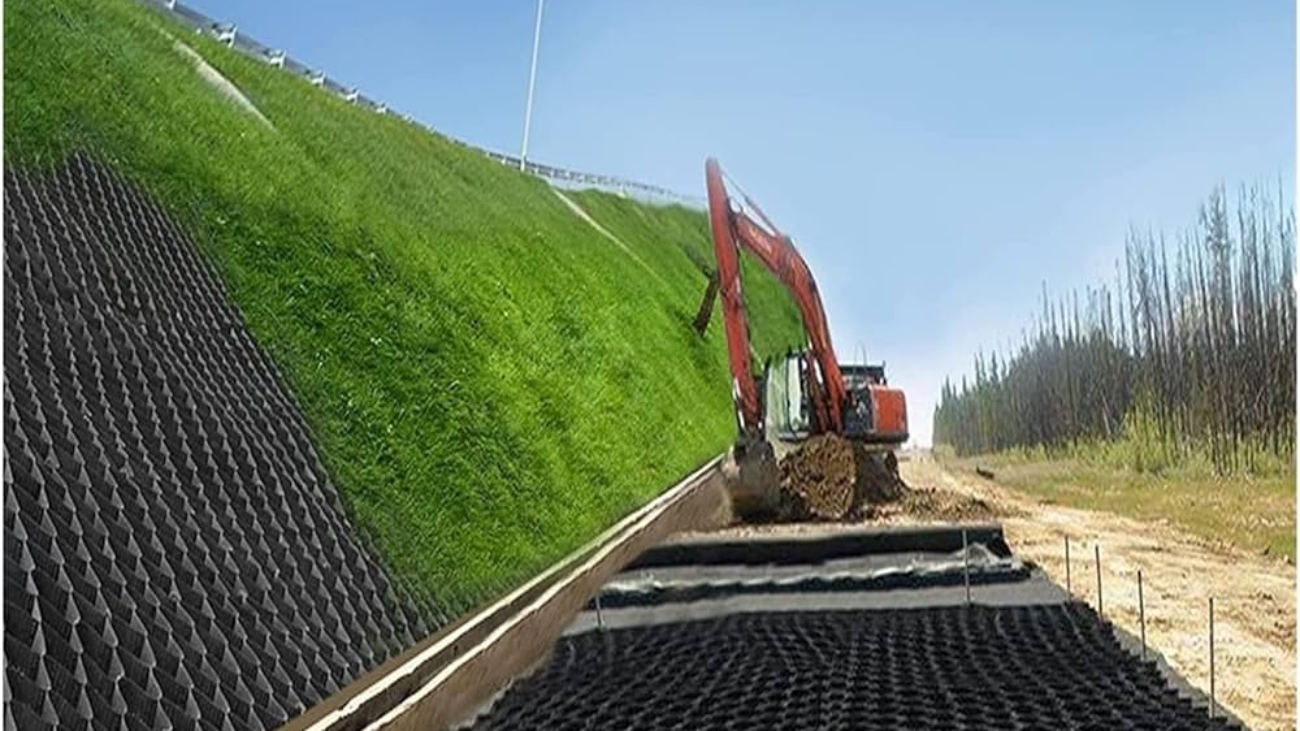
Before it is exposed to water, the material remains entirely flexible. You can roll it up, transport it easily, and cut it with basic hand tools. Installers simply unroll the mat over a prepared surface. Once positioned, the mat is sprayed with water. The hydration process begins immediately. Within 24 to 36 hours, the flexible mat hardens into a tough, waterproof, and heavily reinforced concrete shell.
This simple “unroll and hydrate” process eliminates the need for concrete mixer trucks. It removes the need for complex formwork. It also heavily reduces the labor required on-site. The resulting cement blanket is incredibly strong. It is reinforced by internal fibers that absorb impact and prevent the cracks that frequently plague poured concrete.
The Critical Role of GCCM for Canals
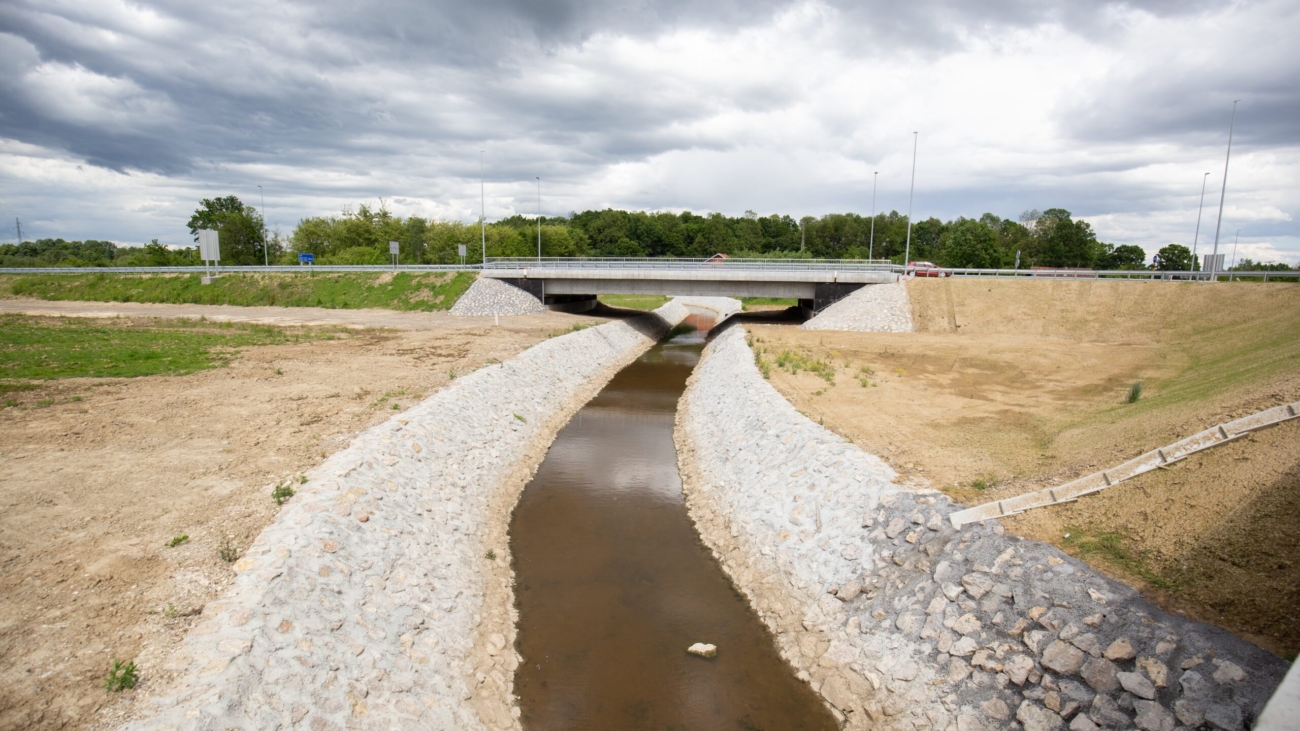
Canal networks are the vital arteries of agriculture and municipal water supplies. A poorly lined canal suffers from massive water loss through seepage. It also experiences severe erosion from high-velocity water flow. Traditional canal lining is a slow and expensive process. It often requires diverting water for weeks or months. This is where GCCM for canals offers a revolutionary advantage.
Preventing Water Loss and Seepage
Water conservation is a top priority in the modern world. Unlined canals or heavily cracked concrete channels lose thousands of gallons of water into the surrounding soil every single day. A high-quality flexible concrete mat features an impermeable backing. Once installed and hydrated, it creates a watertight seal. This stops seepage entirely. It ensures that water reaches its intended destination without wasteful loss.
Enhancing Flow Dynamics
Water must flow smoothly to prevent the buildup of silt and debris. Traditional riprap creates friction that slows water down. A hardened cement blanket provides a smooth and continuous surface. This improves the overall hydrology of the canal. The smooth surface also prevents aggressive weed growth. Vegetation often chokes traditional drainage systems and requires constant, costly maintenance.
Rapid Deployment in Remote Areas
Many irrigation canals run through remote agricultural lands or rugged terrains. Bringing heavy concrete trucks to these locations is often impossible. GCCM for canals solves this access problem entirely. The rolls are easily transported on standard pallets. A small crew can unroll the material along the canal bed and pin it in place. Because it cures so quickly, the canal can be operational again in a fraction of the time required by traditional methods.
The Growing Need for GCCM for Ponds
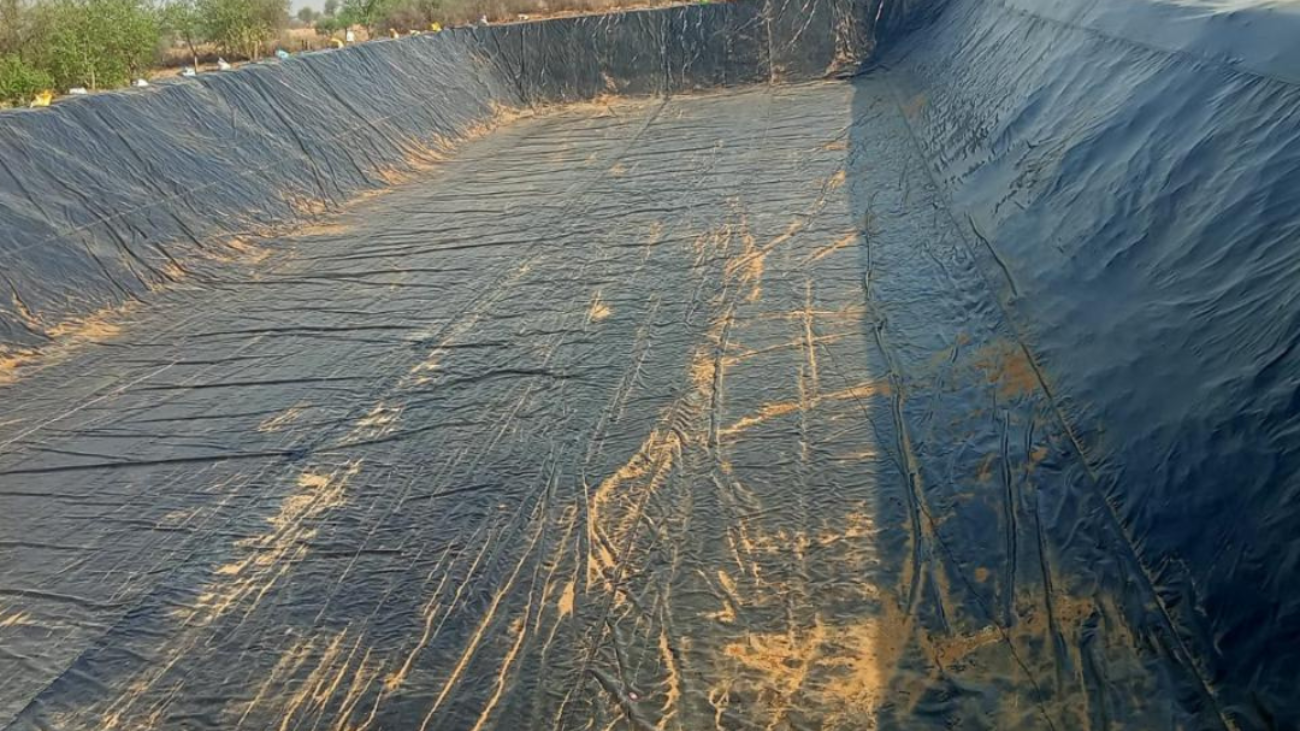
Ponds serve countless purposes across various industries. Agricultural farms need irrigation ponds. Industrial facilities require wastewater containment ponds. Mining operations build massive reservoirs to manage hazardous runoff. In all these cases, a reliable pond liner is essential. GCCM for ponds is rapidly becoming the standard for safe and permanent water containment.
Creating an Impermeable Barrier
When storing industrial wastewater or chemical runoff, you cannot risk groundwater contamination. A flexible concrete mat provides an exceptional barrier against leakage. The combination of hardened fiber-reinforced concrete and a waterproof backing ensures that harmful liquids stay securely inside the pond. This level of security helps facilities comply with strict environmental regulations.
Erosion Protection Against Wave Action
Large ponds and reservoirs are subject to wave action. Wind blows across the surface of the water, creating small waves that constantly batter the pond banks. Over time, this causes severe soil erosion. A standard plastic liner can easily tear or degrade under this constant mechanical stress. A cement blanket offers rigid structural protection. It armors the banks against wave erosion, heavy rainfall, and even physical damage from local wildlife.
Simple Installation on Uneven Terrain
Excavating a pond rarely results in perfectly smooth banks. Traditional concrete requires extensive grading to create a viable surface. A flexible concrete mat possesses excellent wrap characteristics. It drapes naturally over uneven ground. It closely follows the exact profile of the pond banks. If there is a dip or a rocky protrusion, the mat simply molds over it. This drastically reduces the time spent preparing the subgrade.
Why Flexible Systems Outperform Traditional Concrete
The transition from conventional concrete to geosynthetic solutions is accelerating globally. Project managers and civil engineers are recognizing the clear, measurable advantages of a flexible concrete mat.
First, the installation speed is truly unmatched. You can install thousands of square meters in a single day with a very small crew. This drastically cuts labor costs and shortens project timelines.
Second, the environmental impact is significantly lower. Cement production generates a massive amount of carbon emissions. A flexible concrete mat uses up to 95 percent less material than a standard concrete pour. Transporting these lightweight rolls requires far fewer trucks on the road. This makes GCCM an eco-friendly choice for sustainable infrastructure development.
Finally, the durability is phenomenal. Conventional concrete is rigid and prone to cracking under thermal stress or ground settlement. The fiber reinforcement inside a cement blanket prevents crack propagation. It accommodates minor ground movements without catastrophic failure. This translates to decades of maintenance-free performance.
Discover Ennkae: The Industry Standard for Water Infrastructure
Finding the right material is only half the battle. You also need a manufacturing partner with deep engineering expertise. Ennkae is a premier provider of Next-Generation Slope Stabilization and Erosion Control Systems. We specialize in delivering innovative solutions for water-exposed infrastructure. Our products are rigorously tested and trusted by engineers across the globe.
At Ennkae, we understand that every infrastructure project is unique. A canal lining in a remote village has different requirements than a chemical containment pond at a mining facility. That is why we offer a comprehensive suite of advanced geosynthetic products. The second half of this guide is dedicated to exploring the specific solutions Ennkae provides to protect your vital water infrastructure.
nKrete GCCM: The Ultimate Flexible Concrete Mat
The flagship product in our lineup is the nKrete GCCM. This Geosynthetic Cementitious Composite Mat is affectionately known as concrete in a roll. It is specifically engineered to handle the toughest erosion control and slope protection challenges.
nKrete GCCM features a unique four-dimensional fiber matrix. It securely binds a high-performance cement blend between two layers of premium polypropylene geotextile. The bottom layer is a high-density polyethylene geomembrane that acts as a perfect waterproof barrier.
Key Features of nKrete GCCM
- Rapid Installation: A standard crew can unroll and set the material at an astonishing pace. You do not need specialized training to handle the rolls.
- High Strength: Once hydrated, nKrete GCCM achieves high compressive and flexural strength. The internal fibers absorb impact energy effectively.
- Chemical and Fire Resistance: This product resists aggressive chemicals and harsh weathering. It provides an incredibly long design life of over 50 years.
- Versatility: You can cut unset nKrete to any shape using basic hand tools. It easily fits around existing pipes, culverts, and bridge abutments.
When you need an effective GCCM for canals or a resilient GCCM for ponds, nKrete is the proven choice. It prevents undercutting, eliminates scour, and saves significant money on total installation costs.
nKlay GCL: Advanced Geosynthetic Clay Liners
While GCCM is perfect for surface protection and high water velocity, some projects demand ultra-low permeability above all else. For these scenarios, Ennkae offers nKlay GCL. This is our advanced Geosynthetic Sodium Bentonite Clay Liner.
nKlay combines the natural sealing power of sodium bentonite clay with highly durable geotextiles. When the bentonite clay comes into contact with water, it naturally swells. This swelling action creates an impermeable barrier. It is an ideal alternative to traditional compacted clay liners.
Applications for nKlay GCL
nKlay is widely used for environmental containment. It is the perfect base liner for decorative water features, irrigation reservoirs, and massive landfill caps. The defining feature of nKlay is its self-sealing capability. If the liner suffers a minor puncture or tear, the bentonite automatically swells to seal the breach.
The Hybrid Solution: Combining nKrete and nKlay
Modern infrastructure often requires a combination of technologies. For massive canal networks or critical containment ponds, Ennkae highly recommends a hybrid approach.
Engineers can deploy nKlay GCL as the base layer to guarantee zero seepage into the groundwater. They can then install nKrete GCCM over the top to provide hard surface protection against high-velocity water flow and physical abrasion. This integrated solution delivers the absolute best value and performance for large-scale projects.
nKrete R: Concrete Revetments for Extreme Scour
Some water infrastructure faces extreme hydraulic forces. Spillways, bridge abutments, and major riverbeds experience violent water flow that can wash away standard materials. For these heavy-duty applications, Ennkae offers nKrete R.
nKrete R is a pre-engineered concrete revetment system. It utilizes factory-customized fabric forms that are pumped with a high-strength concrete mix directly on site. These fabric mattresses are tailored precisely to the project requirements. They form a permanent, incredibly heavy barrier against scour and flood damage. This system can even be installed underwater. It is highly effective for protecting embankments that are completely submerged.
nKoir: Green Coir Geotextiles for Natural Slopes
At Ennkae, we believe in providing solutions that align with nature. Not every slope or pond bank requires a hard concrete shell. Sometimes, the goal is to promote natural vegetation while preventing immediate soil loss.
For soft landscaping and natural erosion control, we offer nKoir. This is a natural coco fiber geotextile mattress reinforced with polypropylene netting. It provides immediate structural stability to topsoil on steep slopes. Over time, nKoir encourages seed germination and robust plant growth. As the natural roots take hold and stabilize the soil, the coir fibers eventually biodegrade. It is a brilliant, eco-friendly solution for residential developments, highway embankments, and aesthetic pond borders.
Comprehensive Engineering and Support Services
Purchasing high-quality geosynthetics is only the first step. Proper design and installation are critical to project success. Ennkae is not just a material supplier. We are your dedicated infrastructure partners.
We bring 15 years of deep working experience in civil engineering and soil mechanics. Our team provides comprehensive design support from the very beginning of your project. We offer site-specific recommendations to help you choose between GCCM, GCL, or a hybrid system. We provide detailed cost comparison reports to ensure your budget is optimized.
Furthermore, we offer complete installation training. We ensure that your local contractors know exactly how to handle, place, and hydrate the materials. Our after-sales service guarantees that your infrastructure performs exactly as designed for decades to come.
Build the Future with Flexible Solutions
The era of relying solely on poured concrete is fading. The demands of modern infrastructure require solutions that are faster, greener, and far more adaptable. Flexible concrete systems represent a massive leap forward in geotechnical engineering.
Whether you are lining a critical agricultural waterway with GCCM for canals or securing a chemical reservoir with GCCM for ponds, these materials deliver unmatched performance. They simplify logistics, slash installation times, and provide incredible return on investment.
Ennkae stands ready to help you implement these revolutionary systems. We combine smart engineering with the most advanced materials on the market. We protect your infrastructure, your budget, and the environment.
Are you ready to transform your approach to water-exposed infrastructure? We invite you to explore our full range of products. Contact our engineering team today for a free technical consultation and site-specific recommendations.
Visit us today at Ennkae.com and discover how our next-generation slope stabilization and water containment solutions can guarantee the success of your next major project.